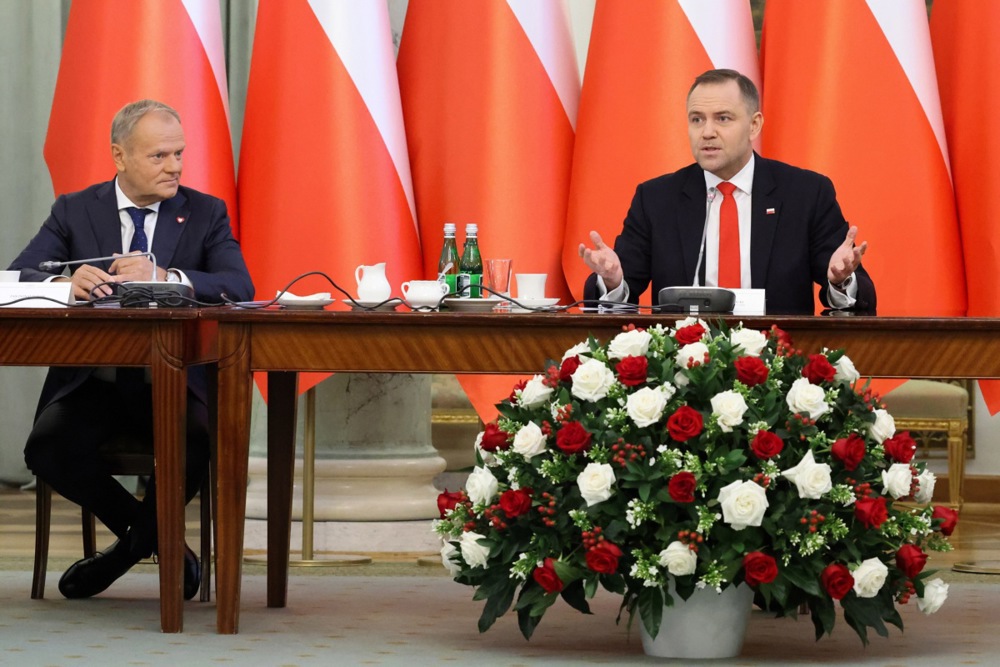
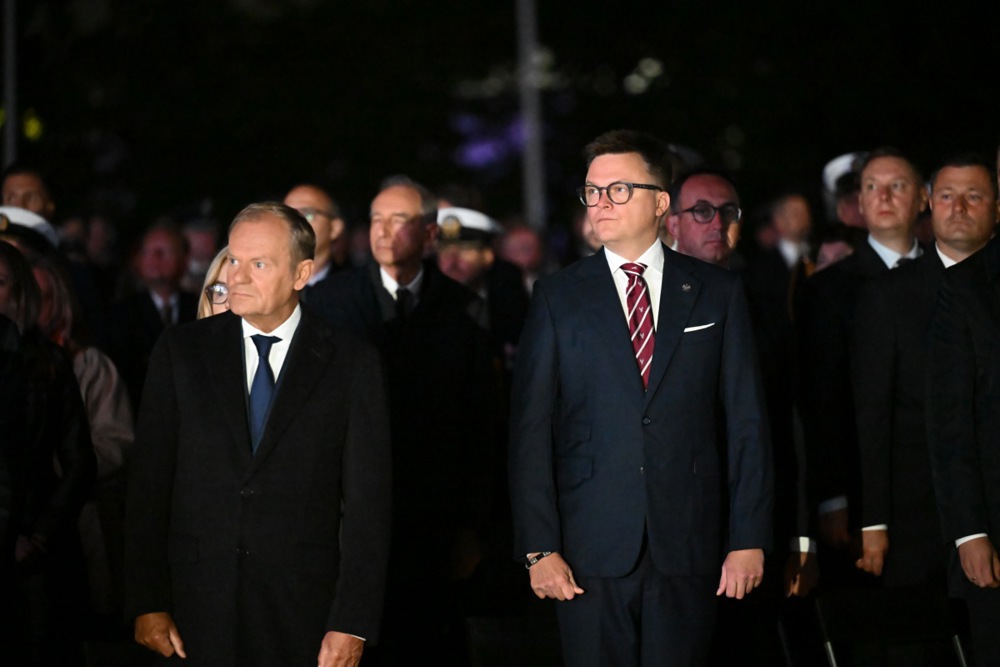
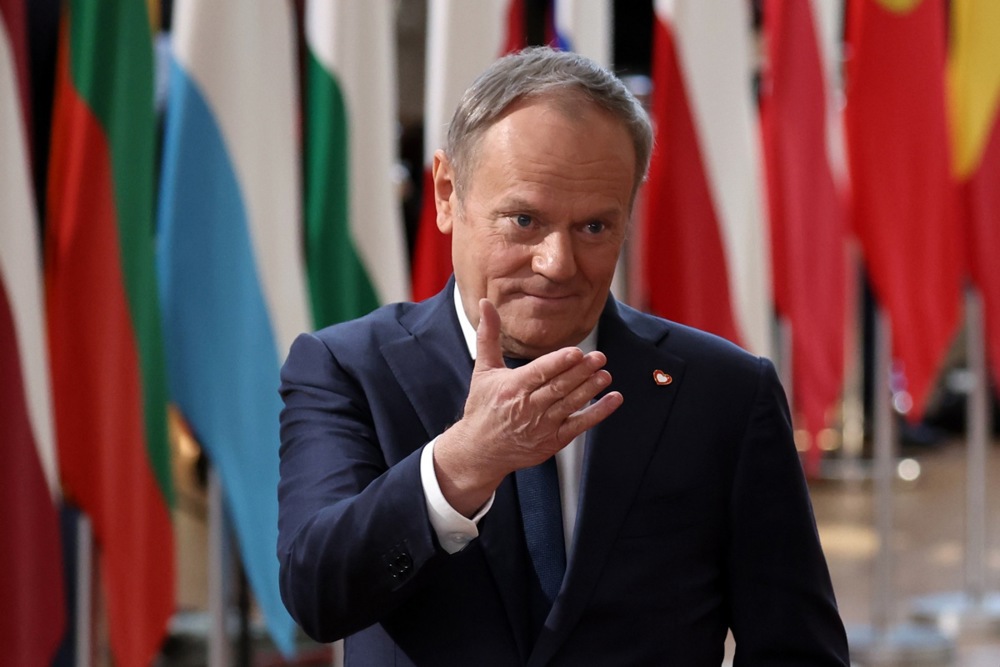
Polish Prime Minister Donald Tusk failed in his attempt to overturn the opposition-aligned President Karol Nawrocki vetoing a bill designed to regulate the domestic crypto-currency market.
In a classified meeting of parliament, Tusk alleged Russia was using crypto-currency to pay its operatives to perform acts of sabotage and to influence Polish politics.
The opposition, though, refused to vote with the government to provide the necessary three-fifths majority to overturn the veto. The President said he had not been told of any security concerns before or after his decision to veto the legislation.

Tusk, during the session in parliament on December 5, said the issue was a matter of national security because “part of the cryptocurrency market is clearly infiltrated and controlled by Russian and Belarusian entities”.
In the parliamentary vote on the legislation, though, MPs split along party lines. The opposition Conservatives (PiS) and the right wing Confederation parties voted to uphold Nawrocki’s stance.
Nawrocki had, on December 1, vetoed the government’s attempt to regulate the crypto currency market, bringing Poland in line with European Union directives.
The President justified the veto by stating that the regulations being proposed were too strict, lacked transparency and were “posing a real threat to freedoms enjoyed by Polish people”.
Nawrocki argued the bill granted “excessive powers” to the Polish Financial Supervision Authority (KNF) and could “threaten economic freedom” by allowing authorities to block accounts or domains too easily.
Tusk’s government criticised the President’s veto saying it left Polish consumers open to becoming victims of fraud. His ministers said that in recent years there have been 5,800 instances of alleged fraud relating to crypto currencies.
But the PM ratcheted up the stakes in parliament by arguing the matter had national security implications. He alleged that Nawrocki’s veto benefited an unnamed company he claimed had criminal sources of funding involving “Russian infiltration and influence over the Polish right”.
Tusk added that the “crypto-currency market is very susceptible to the tools and methods of foreign intelligence services and mafias”.
Speaking to the opposition, he asked: “Decide who you want to protect: national security or the Russian mafia that invests in these ventures?” He did not reveal further details of the company in question or its alleged ties to Russia.
He did, though, claim a Conservative Political Action Committees (CPAC) international conference held in Poland in May, during which many participants backed Nawrocki’s run for the presidency, had been sponsored by a crypto-currency firm with links to Russia.
The opposition was not convinced and members told the media after the confidential hearing they did not understand why the information conveyed during the sitting was classified.
“Donald Tusk’s charade must be made public,” PiS MP Janusz Kowalski, who attempted to have the information declassified, told reporters.
Nawrocki’s chief of staff, Zbigniew Bogucki, asked Tusk why his government had not acted earlier and only presented crypto regulations now, if there was such a threat, especially when other EU member states had done so much earlier.
Nawrocki’s aide signalled that the President would be proposing to parliament his own legislative draft to regulate the crypto-currency market.
After parliament failed to overturn the veto, Tusk told reporters: “Those who supported the President’s veto will come to regret their decision in just a few days time.” He would not be drawn on what he specifically meant by that.
Nawrocki, appearing on popular YouTube channel Kanał Zero, said he had not been notified of any security concerns with regard to cryptocurrencies by the government.
“I did not receive any briefings from the security services on the issue of cryptocurrency use ahead of my veto to the legislation or since then.
“If there were such considerations I as the head of state should have been the first and not the last to know,” he said.
In November, a row had broken out when Nawrocki was denied access to the security services by Tusk.
The PM forbade four chiefs of the security services to attend a meeting with the President and the latter hit back by refusing to sign the annual round of nominations and promotions.