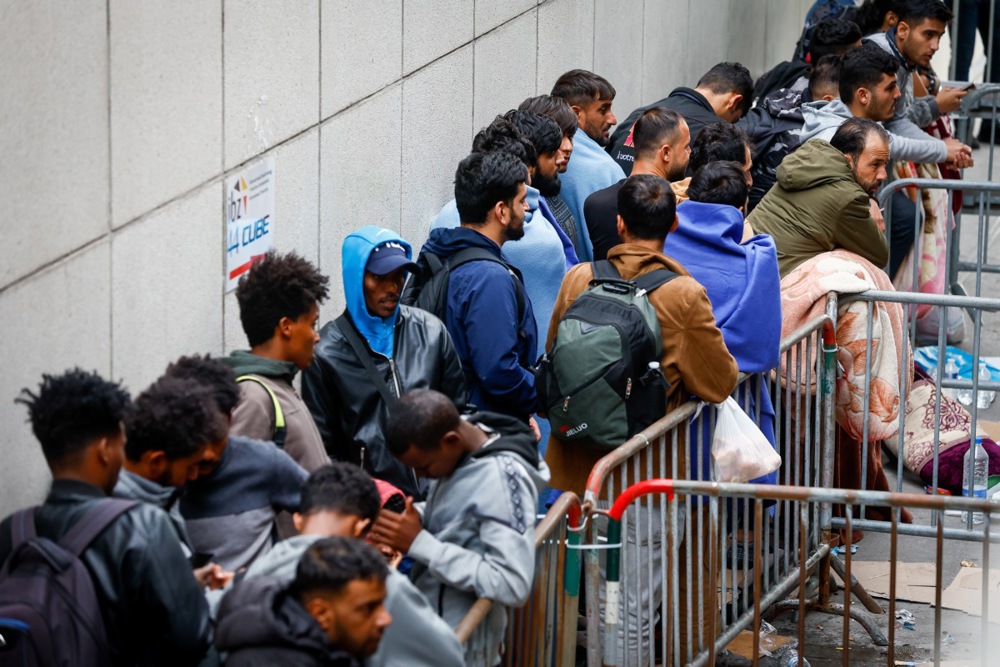
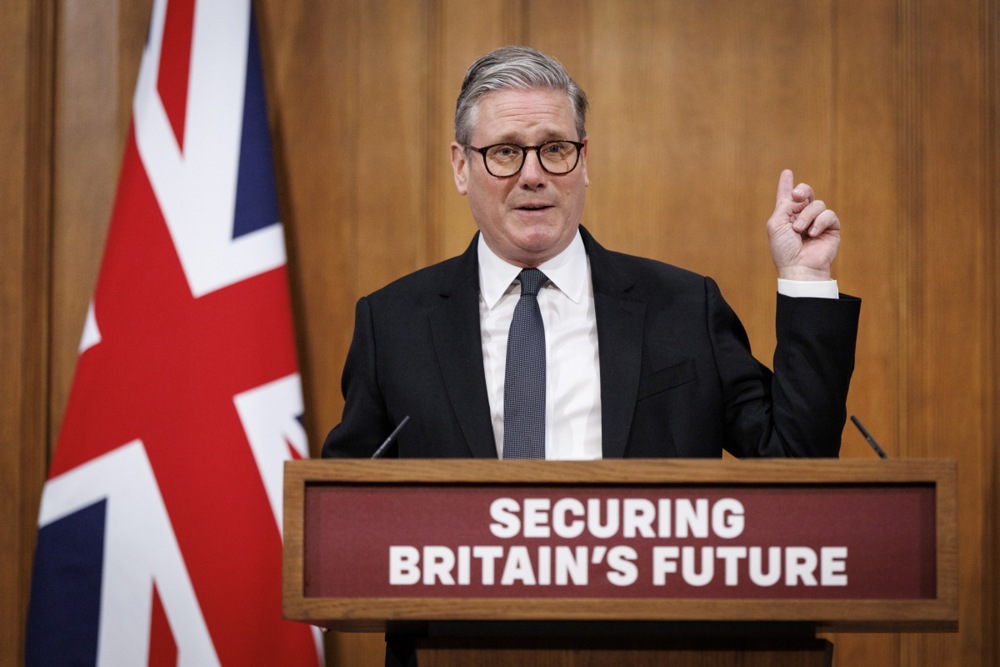
British Prime Minister Keir Starmer and his Danish counterpart Mette Frederiksen have jointly called for a substantial tightening of Europe’s approach to irregular migration.
The pair argued that democratic governments must act decisively to retain public trust and counter the rise of populist movements.
In a co-authored article published in The Guardian on December 9, the two leaders said the existing asylum framework was designed for “another era” and no longer reflects the scale of global mobility.

Both insisted that governments must uphold the principle of asylum for people fleeing persecution while ensuring stricter control over who is permitted to settle.
They highlighted Denmark’s recent reforms, which Frederiksen described as “tough but fair”.
According to the article, the number of people granted asylum in Denmark last year was the lowest in four decades, excluding the pandemic year of 2020. Copenhagen’s measures have included tightened criteria for residency and an emphasis on integration requirements.
It was highlighted that the UK was now pursuing similar aims after what Starmer characterised as years of ineffective or symbolic policies, a dig to the plans by the opposition Conservative party, such as its Rwanda asylum plan.
He said his government was “surging removals” of people with no legal right to remain, linking settlement to integration and social contribution and pressing for closer international co-ordination.
Both PMs argued that modern asylum systems must distinguish between those escaping war or persecution and the larger number of people seeking improved economic prospects.
Failing to adapt, the leaders warned, would undermine support for legitimate refugees and strain communities that have “for too long been asked to absorb rapid change”.
Both rejected suggestions that stricter asylum measures amount to populism, saying instead that they reflect the longstanding concerns of voters.
They maintained that effective controls are necessary to protect social cohesion, adding that individuals who commit serious crimes should lose the right to stay.
Starmer and Frederiksen said momentum for reform was growing across Europe, with more governments adopting policies that combine protection for refugees with clearer expectations around integration.
They framed their approach as an effort to show that mainstream politics can address migration pressures without resorting to inflammatory rhetoric.
The European Union on December 9 pushed through a new set of asylum measures, presenting them as a long-awaited fix to the bloc’s migration system.
The package expands the use of “safe third country” rules and speeds up returns, while laying the groundwork for processing centres outside the EU.
Supporters say the reforms will restore control but critics note that many elements remain legally untested, depend heavily on cooperation from non-EU countries and may face challenges in the European Parliament and courts.
The plans are being hailed in Brussels as a breakthrough, although it is unclear how quickly – or effectively – they will work in practice.
In two landmark decisions, the European Court of Justice has significantly restricted how EU member states manage asylum claims, delivering a setback to more restrictive migration policies. https://t.co/1Hueka91yv
— Brussels Signal (@brusselssignal) August 1, 2025