A nominee for Dutch State Secretary of Finance tasked with overseeing a contentious reform of taxes on unrealised gains, has stepped down following revelations that she misrepresented her academic qualifications on her curriculum vitae and LinkedIn profile.
The scandal surrounding Nathalie van Berkel, the Democrats 66 (D66) party candidate, was exposed by journalists at newspaper De Volkskrant. It has dealt a blow to the incoming coalition government’s credibility just as it prepares to tackle major fiscal overhauls.
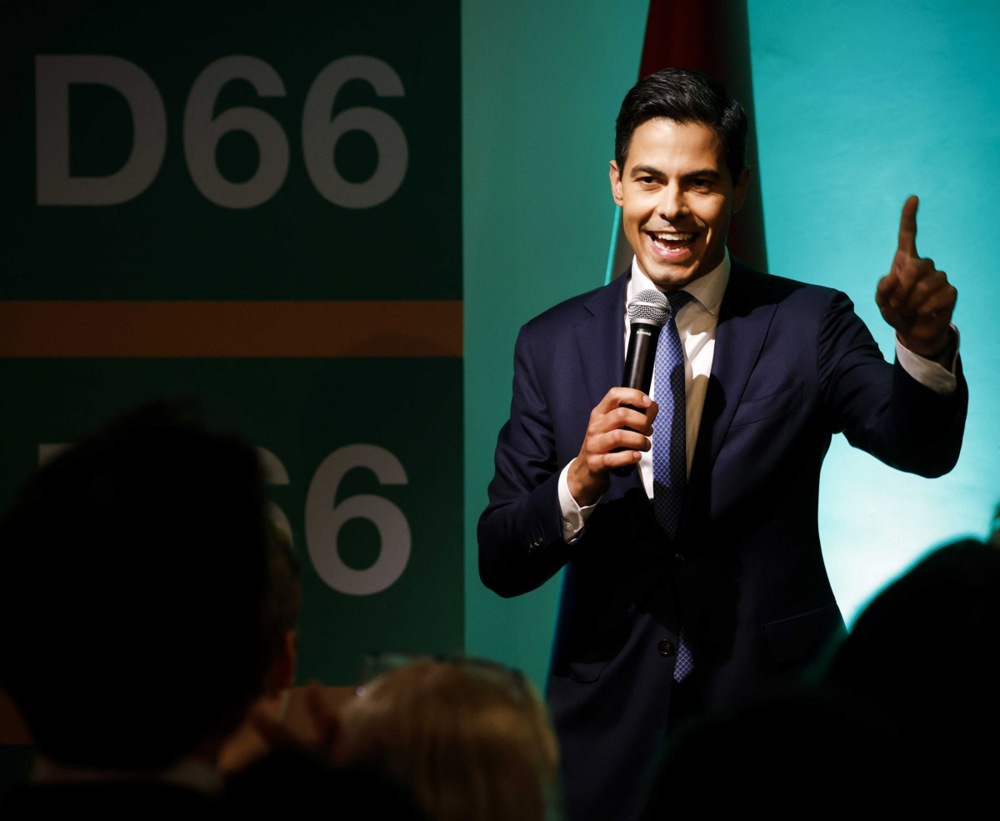
Van Berkel, a 43-year-old MP and former executive at the Dutch Employee Insurance Agency (UWV), was announced as the prospective State Secretary in the new cabinet led by incoming prime minister and felllow D66 member Rob Jetten.

The controversy erupted after De Volkskrant staff scrutinised Van Berkel’s educational claims following her nomination.
For years, her LinkedIn profile and various CV versions stated that she had pursued a master’s degree in public administration at Leiden University between 2011 and 2013.
She also claimed to have studied law at Erasmus University in Rotterdam.
In reality, Van Berkel holds only a secondary school diploma and completed the first-year certificate in Bachelor-level public administration at the Hague University of Applied Sciences.
She participated in a pre-master admission programme for Leiden’s Public Management masters but did not complete it and her law studies extended only to an incomplete first year without obtaining the certificate.
Over several days, Van Berkel provided inconsistent explanations to De Volkskrant, submitting three different CV iterations.
Initially, she described following five years of law at Erasmus, three years of public administration at the Hague and two years for the Leiden master’s, none of which she completed.
She later adjusted her LinkedIn entry from “master Public Management” to “pre-master Public Administration” after repeated queries.
Ik heb de formateur zojuist laten weten dat ik me terugtrek als beoogd staatssecretaris in het nieuwe kabinet pic.twitter.com/0B4rl29YLg
— Nathalie van Berkel (@Vanberkel2508) February 16, 2026
Van Berkel attributed the discrepancies to an “honest mistake” and “sloppiness”, insisting she had no intention to mislead and had been transparent with D66’s internal selection committee about not finishing her studies.
She blamed personal difficulties at the time for hazy recollections of her academic timeline.
The fallout was swift. Yesterday, Van Berkel announced her withdrawal in a written statement, expressing regret that the ensuing debate was distracting from the cabinet’s priorities.
She stated that it was “never my intention to misrepresent my CV”, adding that she “regrets that this impression has been created”.
“It weighs heavily on me,” she said, promising further elaboration soon.
Jetten confirmed the decision was hers, noting she would remain an MP.
D66 initially defended her as a “competent and driven administrator”, with a spokesperson confirming the party knew she had not completed her degrees but maintained confidence in her abilities.
The episode has, though, been labelled a “significant scratch on D66’s escutcheon” by commentators, particularly given Jetten’s campaign emphasis on restoring governmental trust.
It is the second time controversy has arisen around D66 members during the government formation phase.
Earlier, former minister Hans Wijers was forced to withdraw as an informateur after it emerged he had already expressed a clear preference for a cabinet with the People’s Party for Freedom and Democracy (VVD) and GreenLeft–Labour (GL/PvdA) before the elections and had called VVD leader Dilan Yesilgöz a “shrew”.
Van Berkel’s portfolio would have included leading the implementation of the reformed Box 3 tax system, set to take effect in 2028, which initially proposed taxing unrealised capital gains on investments such as shares and cryptocurrencies.
This is a highly controversial measure criticised for its complexity and potential to penalise investors before profits are realised.
Despite the criticism, parliament approved the reform on February 13.
The new system, which taxes returns based on the actual increase in the value of assets, is set to take effect in 2028.
The Dutch Government was forced to reform the Box 3 tax after several court rulings found the system unlawful.
NEW: Dutch Parliament Member Michel Hoogeveen explains how the 36% unrealized capital gains tax, just passed by the House of Representatives, will work.
Here is a more detailed example:
Step 1. Starting position
You own 500 shares.Value on Jan 1, 2028: €50,000
Value on Jan… pic.twitter.com/GYeAN9jlJ6— Bitcoin News (@BitcoinNewsCom) February 12, 2026