In a Manchester constituency under uninterrupted Labour Party control since 1935, the UK Green Party has secured its first-ever Westminster by-election victory.
Compounding Labour’s setback, Nigel Farage’s Reform UK surged into second place, pushing Labour into third.
The loss of Gorton and Denton marks a historic breakthrough for the Greens and delivers a fresh political blow to Prime Minister Keir Starmer’s Labour government.

Hannah Spencer, a 34-year-old local plumber and Trafford councillor, was elected with 14,980 votes (40.6 per cent), overturning Labour’s 13,000-plus majority from the 2024 general election.
She will become the fifth MP for the Greens in parliament, also a historic high.
Reform UK’s Matt Goodwin finished a strong second with 10,578 votes (28.7 per cent), while Labour’s Angeliki Stogia placed third with 9,364 votes (25.4 per cent).
The Conservative Party candidate received just 706 votes (1.9 per cent).
Turnout was 47.6 per cent.
The by-election was triggered by the resignation of former Labour MP Andrew Gwynne, who had sat as an independent after losing the party whip over anti-Semitic comments and sexist remarks made in a private WhatsApp group. He cited ill health.
The result marks the first time the Greens have won a parliamentary by-election and their first seat in northern England.
It also reflects the constituency’s stark demographic divides: The Manchester wards (including Gorton and Levenshulme) have a large Muslim population (around 28 per cent across the seat) and higher ethnic diversity, while the Tameside wards (including Denton) are predominantly white and working-class.
The Greens campaigned on the cost-of-living crisis, a wealth tax, nationalising water, rent controls, a £15 minimum wage and free prescriptions, dentistry and eye care, next to beneficial policies for illegal immigrants.
They made a direct appeal to voters angry over Labour’s stance on Gaza, with Spencer stating in her acceptance speech: “My Muslim friends and neighbours are just like me – human.”
She also positioned herself as standing up for both “my Muslim friends” and “white, working class communities”.
Gorton & Denton's new Green Party video is entirely in Urdu and features some blatant visuals. pic.twitter.com/7QkslQEHL2
— Guido Fawkes (@GuidoFawkes) February 23, 2026
In her victory address, Spencer said: “Instead of working for a nice life, we’re working to line the pockets of billionaires. We’re being bled dry. And I don’t think it’s extreme or radical to think that working hard should get you a nice life.”
She added: “I didn’t grow up wanting to be a politician. I am a plumber. I am no different to every single person here in this constituency. I work hard. That is what we do.”
Green Party leader Zack Polanski declared: “People are ready for an alternative to Labour … I said we were here to replace Labour and I meant it.”
The party benefited from tactical withdrawals and endorsements by left-wing groups including the Workers Party and figures aligned with former Labour leader Jeremy Corbyn.
Reform UK focused on immigration, crime, grooming gangs, energy bills and “British values”.
Goodwin, an academic, described the result as the product of “a coalition of Islamists and woke progressives” that had “come together to dominate the constituency”. He accused the Greens of “playing sectarian politics”.
“We are losing our country” Goodwin warned. “We have only one general election left to save Britain. Vote Reform every chance you get.”
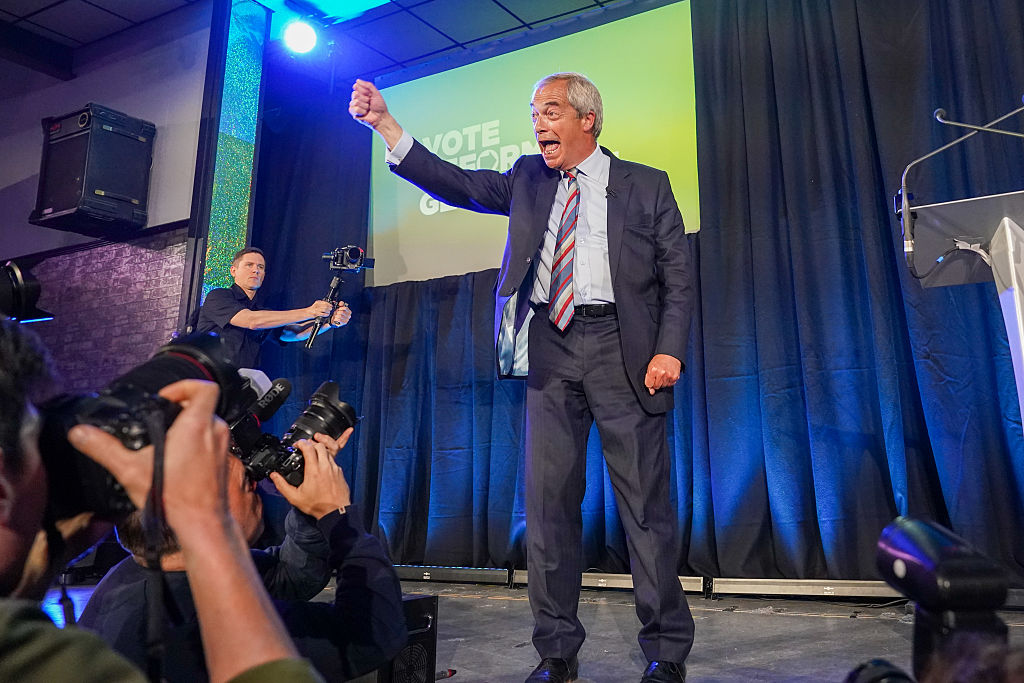
Farage, the Reform UK leader, called the outcome “a victory for sectarian voting and cheating” and raised questions about “the integrity of the democratic process in predominantly Muslim areas”.
Election observers from the Democracy Volunteers group reported “concerningly high levels of family voting” — the highest in their 10-year history — at 68 per cent of polling stations observed. The practice, where multiple voters share a booth, is illegal under the 2023 Ballot Secrecy Act.
🚨NEW: Sky News' Sam Coates: "I tried to speak to a number of members of the South Asian community. Women turned to me and said, "No, my husband deals with that." pic.twitter.com/kv8Tzl4YFH
— GB Politics (@GBPolitcs) February 27, 2026
Labour sources privately acknowledged that anger over Gaza among Muslim voters had not been “forgotten or forgiven”. Deputy leader Lucy Powell said the party would “reflect carefully” on the result.
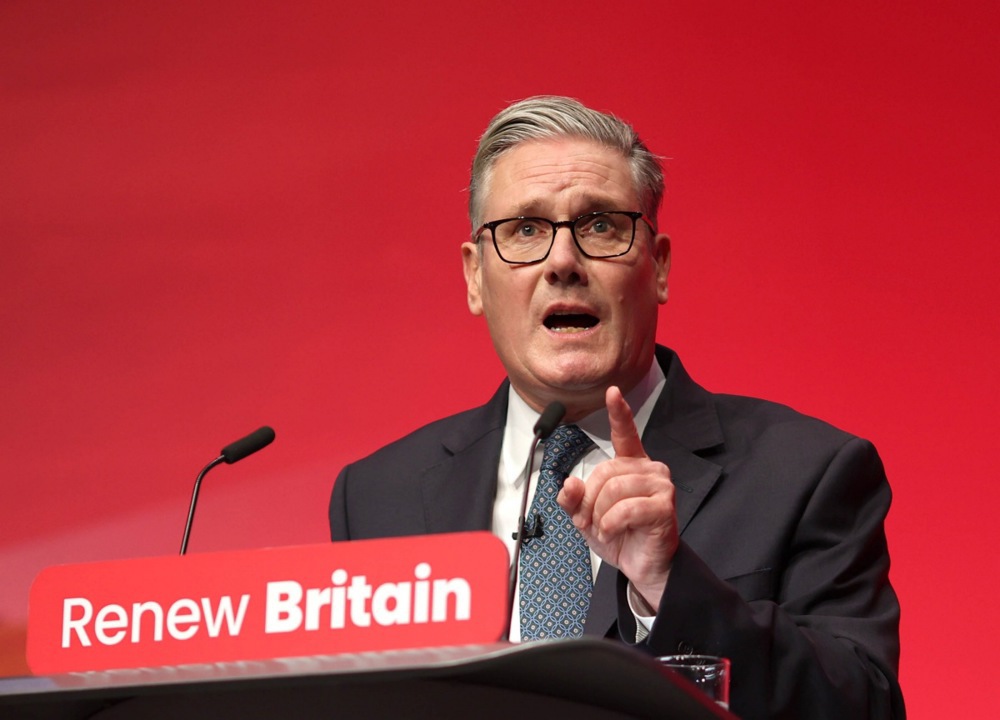
The defeat piles pressure on Keir Starmer after Labour’s vote share halved in one of its safest seats.
The party’s National Executive Committee had blocked Greater Manchester Mayor Andy Burnham — a potential leadership challenger — from standing, a decision criticised internally as a “stitch-up”.
Labour transport secretary Heidi Alexander called it “a difficult and deeply disappointing night” but urged against over-interpreting the result, noting that governing parties often lose mid-term by-elections.
She added that the seat’s “different dynamics” meant there was “no direct read-across” to a general election.
Reform chair David Bull said: “Keir Starmer is in big trouble now — it is not a matter of if he leaves office, it’s when he leaves office.”
Now, all eyes are on the local elections of May 7, which will indicate where the UK stands. If Labour has a bad result, Starmer could face an internal revolt.
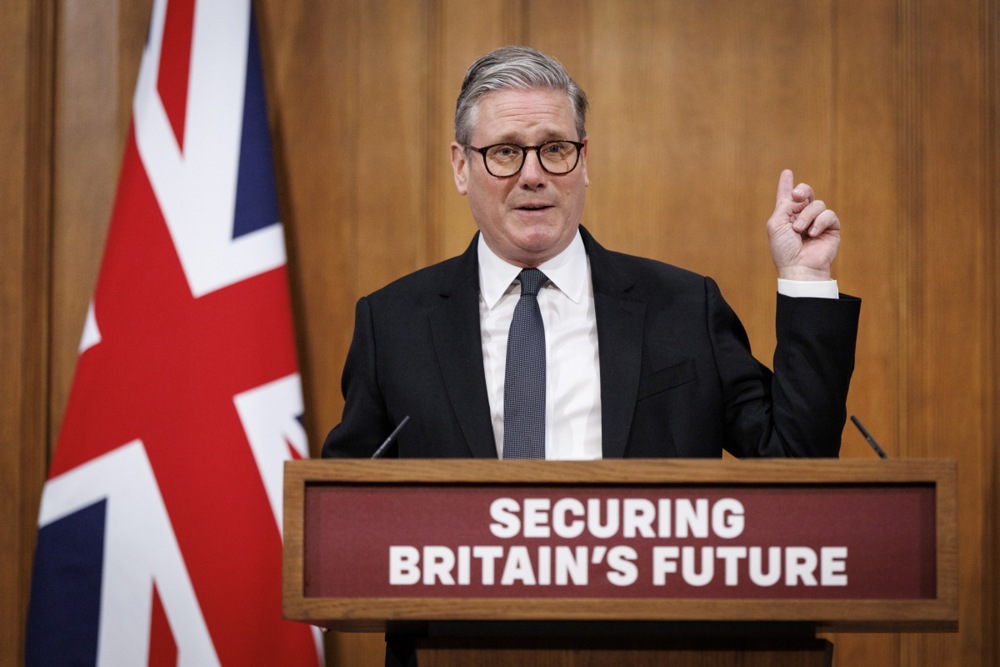
Since taking office in July 2024, he has faced mounting difficulties as Prime Minister, with his approval ratings plunging to historically low levels and Labour trailing in polls.
A series of policy U-turns on welfare, winter fuel payments and inheritance tax, coupled with scandals including the appointment of Peter Mandelson as US ambassador amid Jeffrey Epstein-related fallout that triggered senior resignations have eroded public trust and party unity.
The by-election also underscores the breakdown of the UK’s traditional two-party system in a seat long considered impregnable, with Labour loosing votes to both the Left and the Right, while the Conservatives are nowhere to be found.
New leadership crisis for Keir Starmer — after stopping the candidate (Andy Burnham) who could have won, Labour has come a poor third in the Gorton/Denton by-election with its vote collapsing to barely 25% share in one of its safest seats.
The Green’s clear victory with over 40%…— Andrew Neil (@afneil) February 27, 2026