

The European Commission is using the fallout from the US-Iran conflict to reinforce its push toward renewable and electrified energy systems, even as several european Union member states have been scaling back on their “green” transitions.
Brussels is calling for an acceleration of the move toward “clean, secure and affordable energy”, with an emphasis on expanding electrification in the bloc.
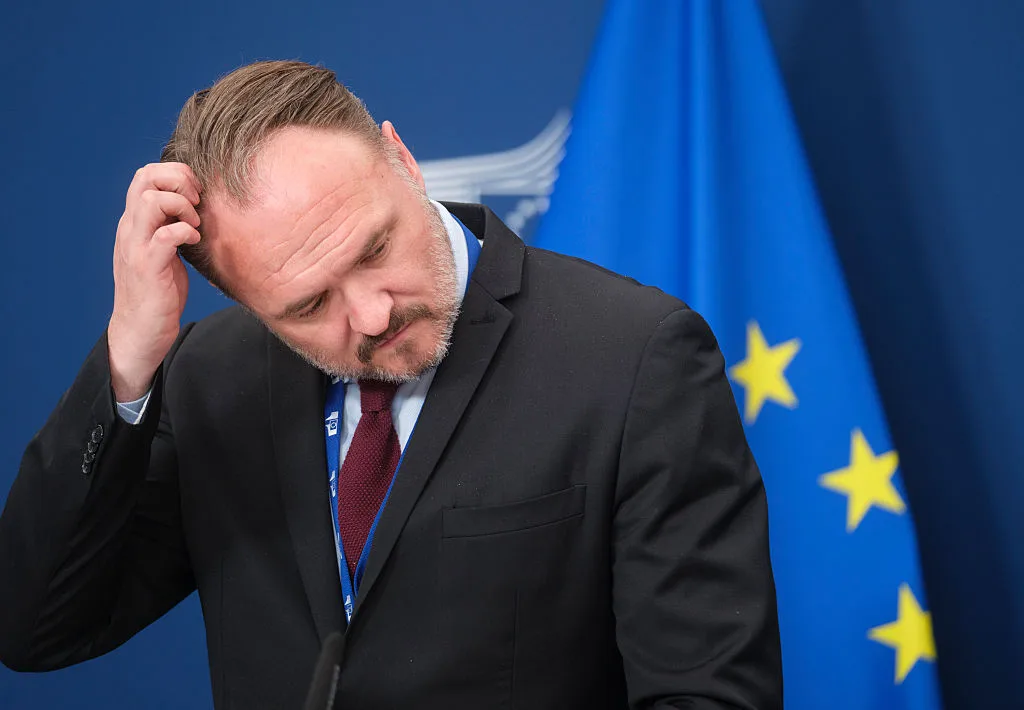
“Europe faces yet another fossil energy crisis. This must be a wake-up call and a turning point – when Europe steps away from fossil fuel dependence, and steps towards clean energy autonomy,” said Dan Jørgensen, Commissioner for Energy and Housing.
In a plan published yesterday to protect Europeans from the fossil energy crisis caused by the effective blocking of the Strait of Hormuz, the EC urged Europe to cut its dependence on imported oil and gas.
According to the EC, Europe’s reliance on external fossil fuel supplies leaves it both economically exposed and geopolitically vulnerable.
“Since the escalation of the conflict in the Middle East, the EU has spent an additional €24 billion on energy imports due to higher prices – without receiving a single extra molecule of energy,” the EC said.
In order to activate the plan, it is pushing for tighter co-ordination between member states to avoid fragmentation in energy policy during the ongoing crisis.
Brussels fears that geopolitical tensions rise, unco-ordinated national purchasing of gas could intensify price spikes and destabilise already strained markets.
Reports indicate that European gas markets are under pressure, with already low storage levels, leaving Europe with a reduced buffer ahead of winter.
Energy policy and fiscal responses largely remain under national control.
While the EC is pushing for acceleration of the green transition, several member states are adopting more pragmatic fossil-fuel policies.
In Germany, for example, a March report by climate analysts showed that updated emissions projections indicate the government is “slowing down the energy transition and moving further from its climate targets”.
In Italy, Claudio Descalzi, CEO of Italian energy major Eni, has called for the suspension of the EU ban on Russian gas.
Under the Mattei plan, Italy has also been determined to make the country a “gas hub” in the Mediterranean Sea.
Belgium has been reversing the country’s nuclear phase-out while Denmark is considering into the possible use of nuclear power to enhance its energy security.