







European transport ministers have met in emergency session to discuss options for importing jet fuel from the United States and other alternative suppliers, as disruptions in the Middle East continue to squeeze supplies across the continent.
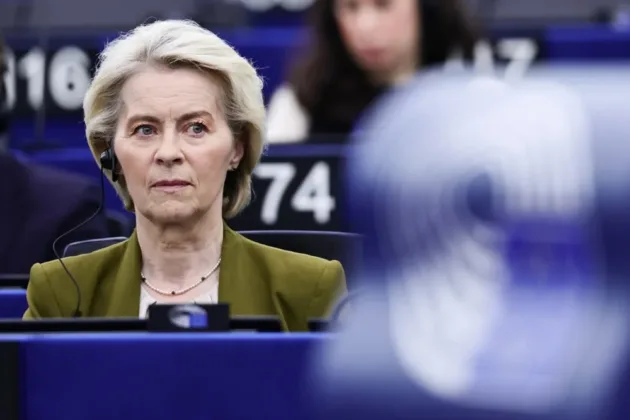
EU Transport Commissioner Apostolos Tzitzikostas has said there is “no indication as of today” of widespread flight cancellations in the weeks or months ahead, though he acknowledged the urgency of acting quickly should the situation deteriorate.
The emergency meeting, held on Tuesday and chaired by Cyprus under the rotating EU Council Presidency, brought together ministers to examine the bloc’s exposure to a tightening global jet fuel market. Ongoing disruptions stemming from the closure of the Strait of Hormuz — a critical shipping lane through which roughly 20 per cent of all oil and natural gas transit passes globally — have significantly curtailed fuel exports to Europe since United States and Israeli strikes against Iran on February 28.
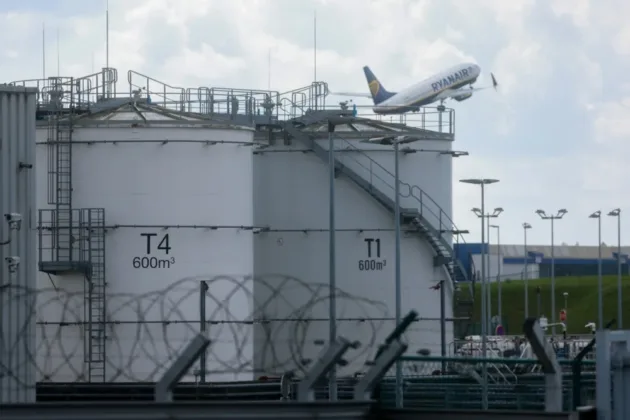
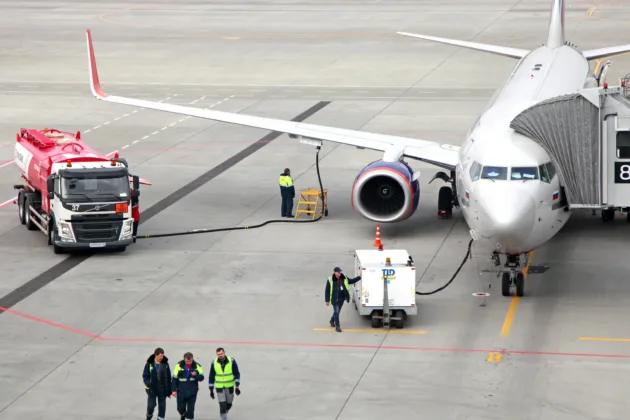
EU refineries currently account for roughly 70 per cent of the bloc’s jet fuel supply, with the bulk of the remainder typically sourced from the Middle East. With that import route severely disrupted, European governments are now looking at transatlantic alternatives.
Global trade intelligence firm Kpler has said new inflows of jet fuel from the United States and Nigeria are expected to arrive in Europe in the coming weeks. Spain has said it backs a potential EU jet fuel sharing agreement, while Germany has convened a national security council to examine the risk of shortages at home.
EMERGENCY STOCKS ON THE TABLE
Cyprus’ Transport Minister Alexis Vafeades, who chaired the emergency session, told reporters on the sidelines that the current situation is “not dangerous” but that ministers are considering the use of emergency fuel stocks “if real supply issues arise”.
He warned that any national release of jet fuel “must be done in full transparency to avoid market distortions”, in a pointed reference to concerns that member states could begin hoarding supplies, driving up prices across the bloc.
“We need to be aware. We need to be ready. That’s the point here,” Vafeades said.
The Cypriot minister stressed that a full-blown shortage remains only a “possibility” under consideration, though one with serious implications for economic connectivity and people’s daily lives.
IEA WARNING CONTRADICTS COMMISSION LINE
The emergency gathering followed a warning from Fatih Birol, head of the International Energy Agency (IEA), that jet fuel in Europe is in short supply — a position backed by several European airlines that have raised the prospect of flight cancellations if conditions worsen.
The European Commission has so far pushed back on that framing, arguing that any cancellations have “nothing to do” with fuel shortages and are instead a reflection of the airlines’ own profitability difficulties. That position has not satisfied all member states, and the convening of Tuesday’s emergency session suggests that pressure from capitals has grown.
Commissioner Tzitzikostas is expected to present a package of measures on Wednesday aimed at protecting consumers and businesses from rising energy costs. The measures are expected to include steps to boost the production of sustainable aviation fuels and to offset the shortfall from the Middle East.
The debate is also expected to feature at an informal EU leaders’ summit scheduled for April 23 in Cyprus.
WIDER FUEL CONCERNS ON THE AGENDA
While aviation was the dominant focus of Tuesday’s discussions, ministers also turned their attention to the risk of fuel queues at petrol stations across member states.
Vafeades said leaders had discussed measures to “neutralise” demand by encouraging the public to use public transport as well as electric bikes and vehicles.
“We need to be ready to avoid queues at the gas stations if this ever happens, but we also need to permanently do away with the possibility of queues at the gas station,” he said.
Energy Commissioner Dan Jørgensen had previously urged European governments to cut oil and gas demand and called for unity among member states in managing the crisis.
ANALYSTS URGE CAUTION
Kpler energy analyst George Shaw said that while exposure to diesel and petrol supply disruption is real, it remains “manageable”.
“Even under reduced Gulf flows, the combination of domestic refining, transatlantic arbitrage, and a structurally diverse import slate will keep diesel supplied,” Shaw said.
The assessment offers some reassurance, though with the Strait of Hormuz still effectively closed and no immediate resolution to the wider regional conflict in sight, European governments appear unwilling to take any chances. The coming days, and the measures the Commission is set to outline, will offer a clearer picture of how seriously Brussels is treating the risk.