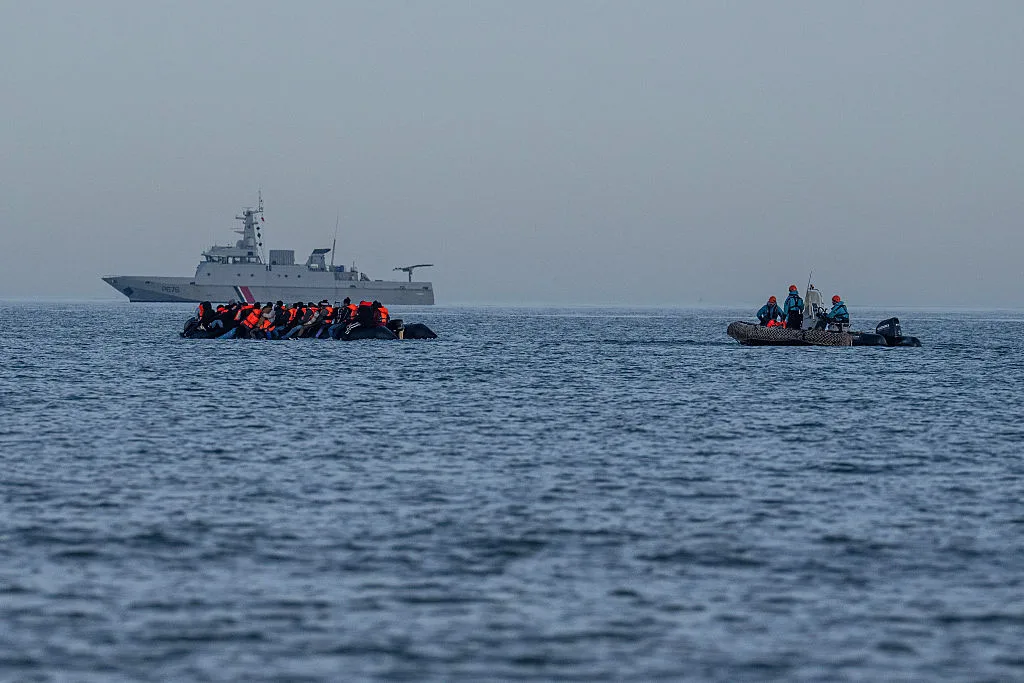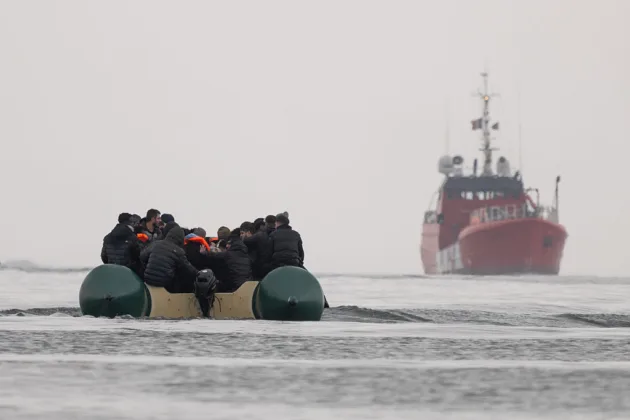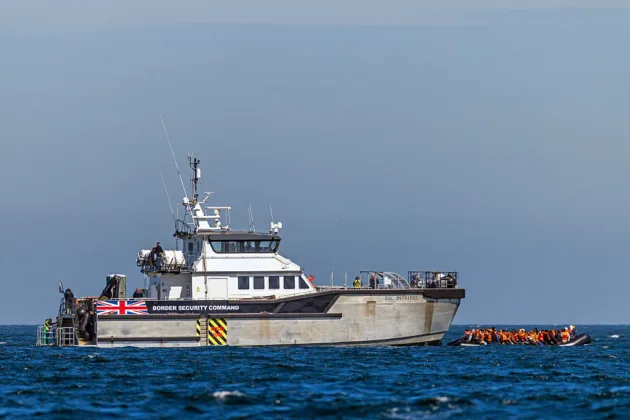




Belgium has intercepted more than 400 people attempting to cross the English Channel to Britain so far this year, compared with none in the whole of 2025, according to government figures.
Local authorities have warned that the surge reflects a spillover from neighbouring France, following a crackdown there on undocumented immigration.
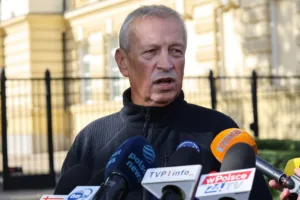
“France has become stricter” toward immigrants, said Jean-Marie Dedecker, mayor of the seaside town of Middelkerke. “And when France gets stricter, they come to Belgium.”
For years, immigrants hoping to reach Britain in search of a better life had gathered in camps along the French coast around Calais before attempting the crossing.
Belgium had not witnessed the same scale of influx, mainly because its coastline sits significantly further from British shores, heightening the risk for those making the journey in flimsy, overcrowded boats.
At its closest point, around 80 kilometres of water separates Belgium from England, compared with the 30 kilometres that immigrants must cover when setting off from Calais.
The picture has started to change as France has ramped up law enforcement, partially due to a new deal between Paris and London signed in April to stop undocumented immigrants from crossing.
Dedecker said he had been watching smugglers run a well-oiled operation from his town’s beaches for several months.
“They hide their belongings — jackets, the boat, the motor — in the dunes,” he told AFP. Before sunrise, the vessels are inflated, immigrants jump aboard and they set off, he added.
Boats “follow the coastline to France”, said Christiaan De Ridder, the local deputy police chief, adding that vessels were either “fully packed” with 15 to 20 people on board or went on to pick up more passengers in France before heading towards Britain.
The trend has frustrated the Belgian Government of Flemish nationalist Prime Minister Bart De Wever, which does not want to appear lax on the issue.
“It must be clear that the Flemish coast is not an attractive alternfmiative for making the crossing to the United Kingdom,” said Belgian asylum and migration minister Anneleen Van Bossuyt.
Her office said it was working to put an end to the practice, notably by increasing detentions of immigrants — mostly young men from Sudan, Afghanistan and Iraq.
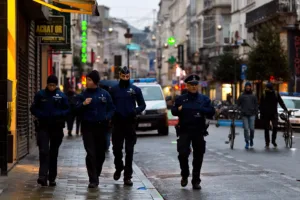
Police have stepped up patrols but are calling for more resources to monitor the coast.
The approach has angered NGOs helping refugees, which argued more should be done to support those who arrive in the country already “extremely traumatised” by their journey to Europe.
“They are seen as a danger rather than as people in danger,” Joost Depotter of the Flemish group Vluchtelingenwerk Vlaanderen said of immigrants.
Heavy-handed measures were not reducing flows but only pushing smugglers to take extra precautions, such as hiding immigrants away from police, sometimes in vacant holiday homes, he said.
Worried about the possible impact on tourism, Dedecker said he hoped for a clampdown before the summer.
“We’re monitoring the dunes because we’re afraid of seeing ‘jungles’ like in Calais, with thousands of people,” he said, referring to a now-closed camp on the outskirts of the French city.
Attempted crossings have fallen slightly in recent days due to poor weather but “when the weather is nice, they’ll try again”, he said.