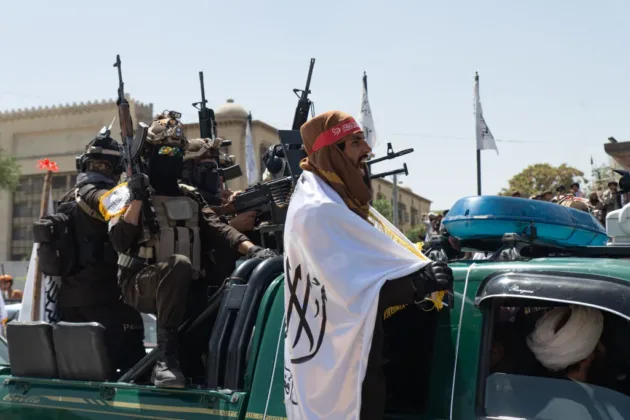


Russia is deepening its engagement with Afghanistan’s Taliban Government and announced a “full-fledged partnership” with the Taliban at the Shanghai Cooperation Organisation (SCO) summit in Astana.
Yesterday, Russian foreign minister Sergey Lavrov met with Taliban acting foreign minister Amir Khan Muttaqi to discuss counterterrorism, economic co-operation and regional stability, marking a further step in Moscow’s pragmatic approach toward the regime.
In July, 2025, the Kremlin was the first to formally recognise the Islamist Taliban Government when it took over Afghanistan.
Lavrov and Muttaqi further expressed concern over the growing influence of the ISIS-K terror group in Afghanistan and its cross-border attacks into Central Asia.
Russia has previously accused the group of targeting its allies, including Tajikistan and has provided intelligence and technical support to the Taliban to counter the threat.
Sergei Shoigu, Secretary of Russia’s Security Council, said co-operation with Kabul was important for the security and development of the region.
He called on the US to take “full responsibility” for its 20-year presence in Afghanistan and “assume the main burden” of post-conflict reconstruction.
Economically, Russia has resumed limited trade with Afghanistan, including fuel and wheat exports, while Russian companies are exploring opportunities in Afghanistan’s mineral sector. That is estimated to hold €1-3 trillion in untapped resources, including lithium, rare-earth metals and natural gas.
There have also been preliminary discussions about reviving a gas pipeline project that would connect Afghanistan’s resources to central Asian markets via Russian infrastructure, although logistical and security challenges remain significant.
Russia’s engagement with the Taliban is part of a broader regional strategy that includes co-ordination with China.
Beijing, which has signed economic agreements with the Taliban and integrated Afghanistan into its Belt and Road Initiative (BRI), shares Moscow’s interest in stabilising the country to prevent spill over into central Asia.
The SCO, which includes China, India, Pakistan and central Asian states, provides a platform for both countries to align their policies toward Afghanistan.
While India and Pakistan remain more cautious in their dealings with the Taliban, Russia and China appear increasingly willing to engage directly with the regime, even as it remains unrecognised by most of the international community.
The growing interaction between Russia and the Taliban comes as western policies toward Afghanistan are also evolving.
Although the European Union and US continue to withhold formal recognition of the Taliban Government, there are signs of limited engagement.
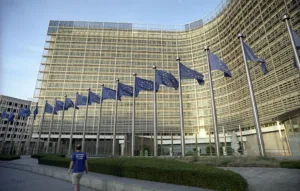
Earlier in May, the EU invited Taliban representatives to Brussels for talks on migration, reflecting a pragmatic recognition of the need for dialogue on issues such as human trafficking and regional stability.
Human rights concerns, though, particularly regarding the Taliban’s treatment of women and minorities, remain a major obstacle to deeper co-operation.
The European Commission is moving toward opening a direct channel of communication with the Taliban.https://t.co/iwFMg5w4tu
— Brussels Signal (@brusselssignal) April 21, 2026