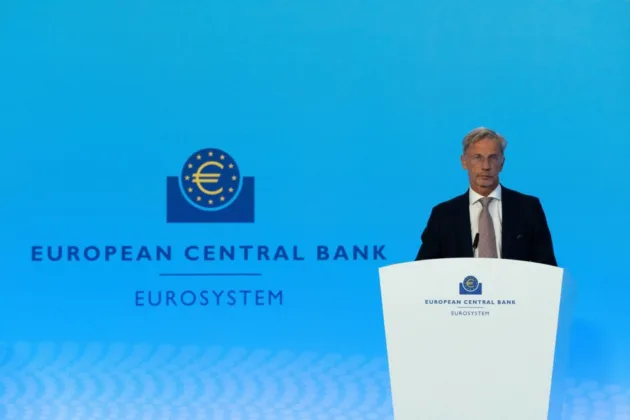

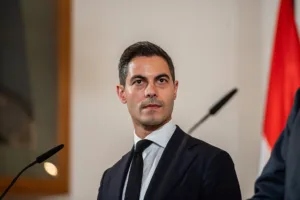
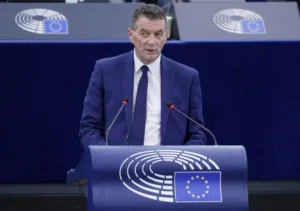


Alexander Demarco, governor of the Central Bank of Malta, has warned that the European Central Bank (ECB) may have to raise interest rates as soon as June to prevent the Iran-driven oil price shock from feeding into longer-term inflation.
In an interview with Politico published on May 11, 2026, Demarco said hopes that the eurozone could ride out the energy spike were “fading” and that he expected the conflict, and high oil prices, to last.
His comments mark one of the most hawkish interventions yet from a member of the ECB’s Governing Council, breaking with colleagues who have urged patience and more data before any move.
Even if hostilities in Iran ended before the ECB’s next policy meeting on June 11, 2026, Demarco told Politico, energy markets would be unlikely to cool sufficiently to leave borrowing costs untouched.
He said damage to infrastructure was so extensive that prices would remain above pre-conflict levels, and that any ceasefire would not restore supply routes if shipping through the Strait of Hormuz stayed dangerous.
It is the second major energy shock to hit Europe in four years, following the surge triggered by Russia’s full-scale invasion of Ukraine in February 2022.
Demarco said he was determined not to repeat the mistakes of that episode, when the ECB initially treated rising energy costs as a temporary problem before inflation climbed above 10 per cent, dragging wage demands and price expectations with it.
The Maltese governor acknowledged there were no signs yet of a sharp rebound in inflation though he cautioned that second-round effects rarely showed up overnight.
He said he still backed the ECB’s base scenario in which the eurozone avoids a recession, though he conceded that a deeper crisis could force a switch to “fuel economy” measures and tip the bloc into contraction.
Not all economists share his sense of urgency. Holger Schmieding, chief economist at Berenberg Bank, on May 11, 2026 urged the central bank to hold fire, writing in an open letter that “with growth weak and unemployment rising, workers are unlikely to be able to push through excessive wage demands”.
Stefan Gerlach, chief economist at EFG Bank, has also called on the ECB to wait for clearer data before tightening.
The ECB left its key interest rate unchanged at its April meeting, with headline inflation running above 3 per cent, on the basis that medium-term price pressures were still easing. It signalled at the time that a rise was possible in June.
ECB chief economist Philip Lane has struck a similar note in recent days, telling a conference in London that a “mid-size but not-too-persistent” inflation overshoot from the energy shock could warrant a measured policy adjustment.
Demarco’s remarks add to growing market expectations that the ECB will lift rates by 25 basis points at its June 11, 2026 meeting, with a second move pencilled in for later in the year if the oil shock proves persistent.