
The European Commission has warned that the world is facing what could be “the most severe energy crisis in history” and revealed that the European Union is already preparing for possible shortage scenarios, particularly of kerosene, though Brussels has insisted no supply problems have so far emerged.
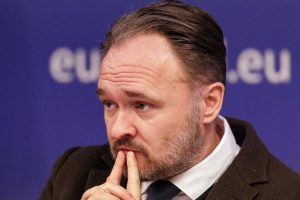
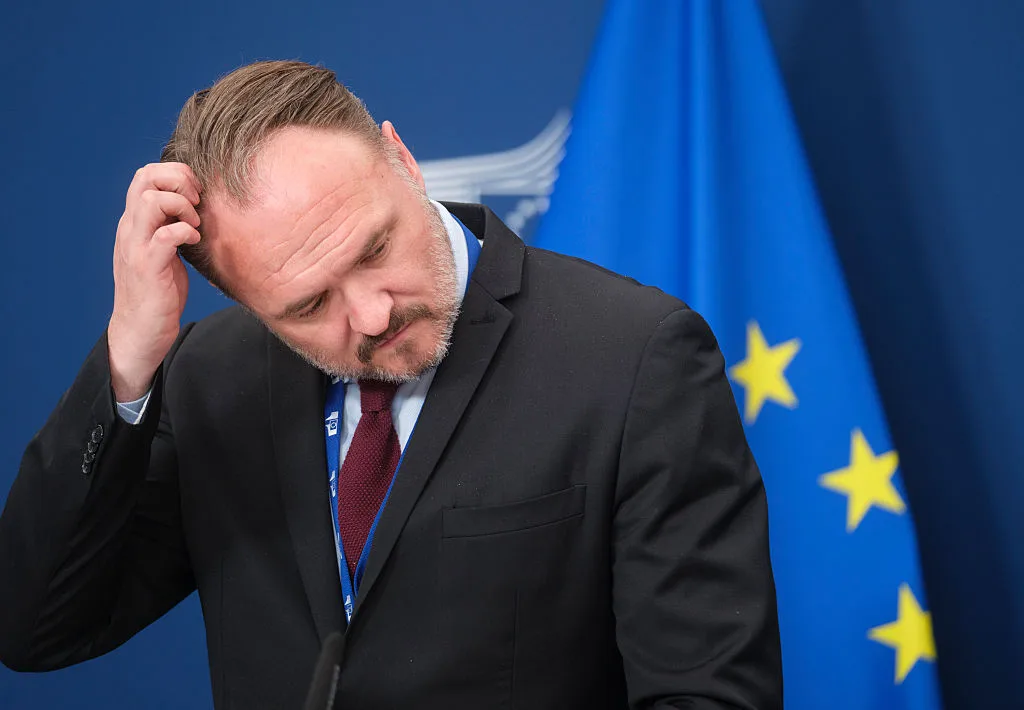
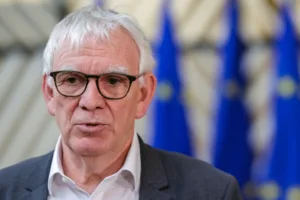
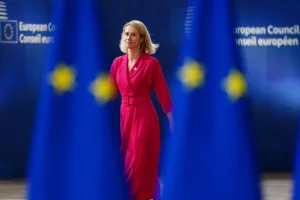
European Commissioner for Energy and Housing Dan Jørgensen made the comments at a press conference in Brussels on May 5, 2026, following a high-level energy dialogue between the EU and Moldova. He stressed the need to reinforce security of supply across the bloc in the face of what he described as an unprecedented crisis, one testing “the resilience of our economies, our societies and our alliances”.
According to the Commissioner, the bloc was not yet facing problems with energy flows linked to the closure of the Strait of Hormuz, though he warned that “it can happen”, and that Brussels was already preparing for any deterioration in the situation.
“It is too early to say exactly when we can return to a normal situation. And even when that occurs, I think we have to be quite realistic and say that, even in the best of scenarios, the situation will remain quite serious,” Jørgensen told reporters.
DEPENDENCE AS A ‘STRATEGIC VULNERABILITY’
The Commissioner underlined that reliance on fossil fuels remained one of the principal risks for the bloc. Since the start of the conflict in the Middle East, member states have had to allocate more than €30 billion in additional spending on energy imports without receiving any extra supply in return.
“Energy dependence is not just an economic question, it is also a strategic vulnerability,” Jørgensen said.
He insisted that, in the short term, the EU must manage the risks, guarantee security of supply and protect citizens from the impact of volatile energy markets. Looking to the medium and long term, he defended the need to accelerate investment in interconnections, diversify energy sources and deepen integration of the European energy market in order to bolster the resilience of the system.
The Commissioner has previously warned that the war between Iran and the United States–Israel coalition is costing the bloc more than €500 million per day. The damage inflicted on energy infrastructure across the Middle East would, he has said, take time to repair, and a rapid return to normal prices was unlikely even if hostilities were to end immediately.
The crisis erupted following the outbreak of the conflict on February 28, 2026. The Strait of Hormuz, through which around 20 per cent of the world’s oil and liquefied natural gas (LNG) is shipped, has remained largely closed to traffic ever since, despite a ceasefire announced on April 8.
The International Energy Agency (IEA) has described the situation as the greatest threat to global energy security in history. Crude and oil product flows through the Strait fell from around 20 million barrels per day before the war to just over 2 million barrels per day in March, according to its latest Oil Market Report.
KEROSENE FEARS
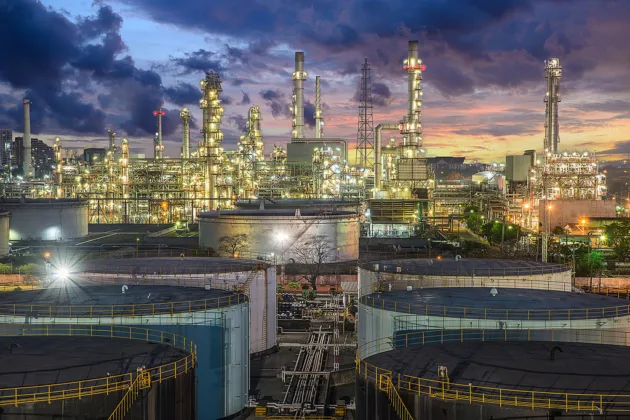
Brussels has flagged kerosene as a particular short-term concern, with the busy summer aviation season approaching. Jørgensen has indicated that flight cancellations and rising ticket prices linked to fuel shortages could begin to bite in early June.
The European Commission last month launched a “fuel observatory” to monitor jet fuel stocks and prevent EU countries from hoarding supplies at the expense of others. Slovenia has already introduced full fuel rationing, capping private motorists at 50 litres per day, while Slovakia has allowed petrol stations to limit diesel sales and to charge higher prices for vehicles with foreign number plates.
The Commission has also sent member states a 10-point demand-saving plan drawn up with the IEA, which includes encouraging remote working, minimising car journeys, promoting car-sharing and lowering motorway speed limits.
ELECTRIFICATION AS THE WAY OUT
For Jørgensen, the answer remains a faster green transition. “Accelerating the energy transition and electrifying our economies is the only sustainable way out of the current crisis and the best guarantee against any that may come,” he said.
The line has, though, drawn sharp criticism within the EU itself. Italian Deputy Prime Minister Matteo Salvini has urged Brussels to consider resuming Russian energy imports in order to prioritise energy security, a step the European Commission has firmly ruled out. Berlin, Bucharest and Stockholm have publicly stated they have no intention of returning to Russian gas, even at the cost of higher prices.
The EC reaffirmed in January 2026 its goal of phasing out Russian fossil fuels by 2027.
The Tuesday meeting in Brussels also served to deepen energy cooperation with Moldova, an EU candidate country whose grid was synchronised with the Continental European Synchronous Area in March 2022, alongside that of Ukraine, as part of efforts to break with Russian-controlled supply.
The energy crisis is hitting an EU economy already grappling with weak industrial growth, persistent inflationary pressure and the sustained costs of the bloc’s Green Deal regulatory agenda.