

The European Union and Armenia have signed a connectivity agreement aimed at strengthening ties in transport, energy and digital infrastructure, in a move that elevates relations between Brussels and Yerevan.
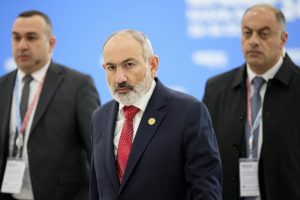
The deal was sealed on May 5 in the Armenian capital during the first ever EU-Armenia summit. It was signed by European Commission President Ursula von der Leyen, European Council President António Costa and Armenian Prime Minister Nikol Pashinyan.
According to the leaders, the summit sought to lay the foundations for a closer association in political, economic and security matters, with an eye on stability in the South Caucasus region.
The partnership is to focus on transport, energy and digital links between the EU and Armenia, supporting the country’s economic development.
The agreement falls within the EU’s wider connectivity agenda and Armenia’s “Crossroad of Peace” initiative. It is to be implemented through new high-level dialogue mechanisms, including dedicated forums on connectivity and transport to coordinate priorities and joint projects.
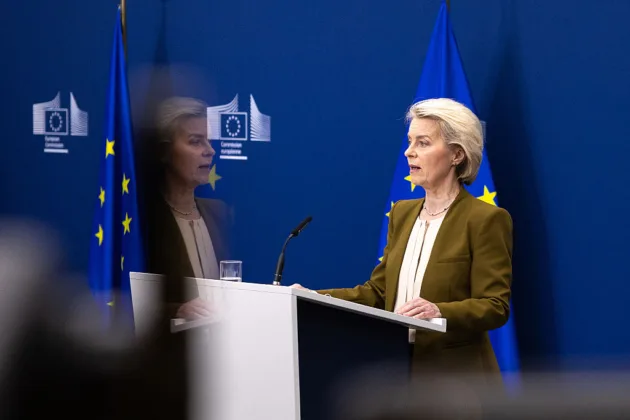
Speaking at the summit, Von der Leyen said the meeting marked “a new stage” in relations, with the aim of intensifying political dialogue, strengthening economic ties and moving towards a “safer, more prosperous and stable” future.
“This first EU-Armenia summit takes our partnership to a new level and sets a clear direction and agenda for the years ahead. At the heart of this work is our joint commitment to peace and stability in the region,” she said.
The Commission President added that, going forward, Brussels would deepen political dialogue with Yerevan, strengthen economic links and work towards “a more secure, prosperous and stable future”.
Alongside the connectivity deal, the EU has launched a call for strategic investment in Armenia in areas such as digital infrastructure, innovation and semiconductor capacity. The first letters of intent have been signed with private-sector partners.
The European Commission also delivered its first progress report on Armenia’s visa liberalisation plan, which recognises advances made by Yerevan. Border management cooperation has been stepped up through a working arrangement with the EU border agency Frontex.
On security and defence, the leaders backed the launch of an EU partnership mission in Armenia. They also confirmed the dispatch of an initial tranche of aid to the Armenian Armed Forces under the European Peace Facility, worth €30 million.
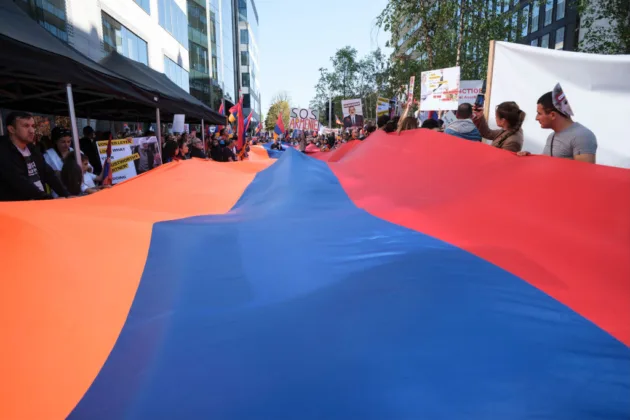
Armenia, in the South Caucasus, has gradually moved closer to the West in recent years, particularly following the 2020 conflict over the disputed enclave of Nagorno-Karabakh, in which Russia’s traditional role as security guarantor was widely seen as having weakened.
The Yerevan summit is expected to be followed by further high-level meetings later this year, as Brussels seeks to anchor Armenia within its eastern partnership framework.