









Latvian defence minister Andris Šprūds has resigned after two Ukrainian drones struck an oil storage facility in the east of the country on May 7, 2026.
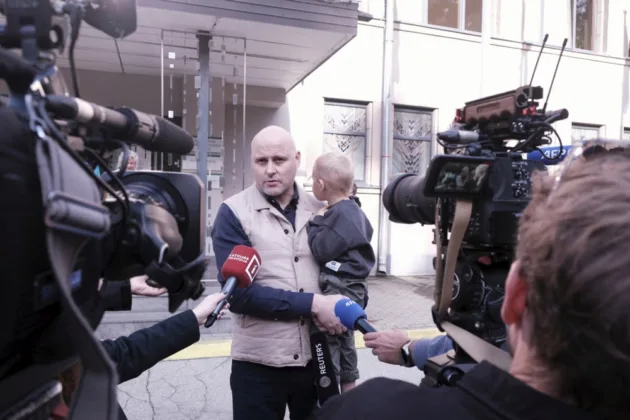
Šprūds announced his decision at a press conference in Riga on the evening of May 10, hours after Prime Minister Evika Siliņa called on him to step down, saying he had lost both her trust and that of the public.
“I have resigned because our armed forces and the country’s defence capabilities are more important than the post of any minister and the interests of any party,” Šprūds told reporters.
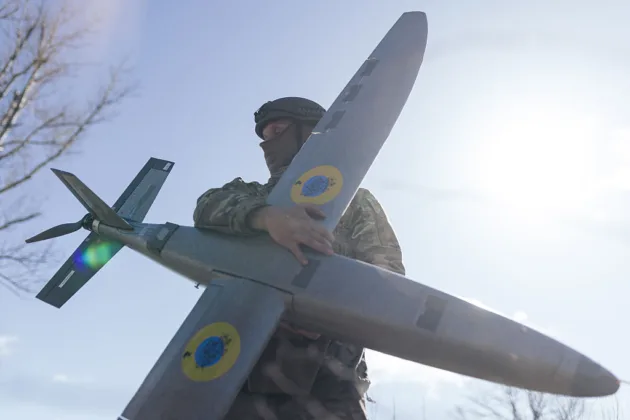
The two unmanned aerial vehicles, which flew in from Russia, exploded at empty fuel tanks in Rēzekne, eastern Latvia. NATO fighter jets on air-policing duty over the Baltic states were scrambled but did not engage the drones, with officials citing the risk of damage on the ground.
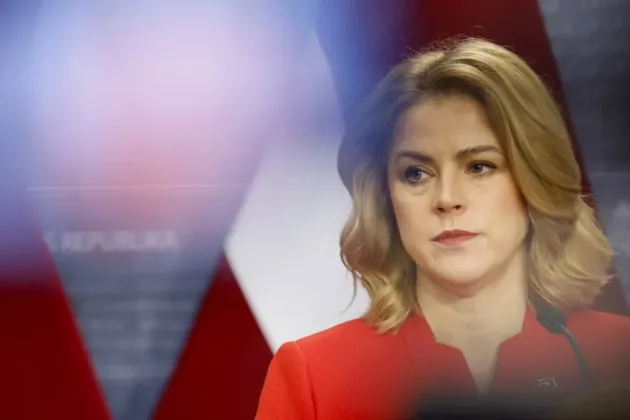
Siliņa wrote on X that the incident “clearly demonstrated that the political leadership of the defence sector has failed to fulfil the promise of safe skies over our country”. She has announced that she will assume the defence portfolio herself on a temporary basis from May 12, while a permanent replacement is sought.
According to sources at the defence ministry cited by the Latvian news portal Delfi, the prime minister is looking for a “professional” who is “up to” the challenge of the role. The post has been offered to Latvian army colonel Raivis Melnis, who is currently serving as the defence ministry’s representative in Ukraine, though he has yet to accept the proposal formally. Šprūds is expected to resume his duties as a deputy in the Saeima, the Latvian parliament.
Šprūds, a member of the Progressives, the junior partner in the ruling coalition, said his resignation was intended to shield the Latvian armed forces from political fallout and to prevent the incident being used to attack his party. He has also disputed the prime minister’s version of events, accusing her of rushing to announce his dismissal and of misleading the public about prior consultations with him. Siliņa is due to meet Šprūds on May 11.
Ukrainian foreign minister Andrii Sybiha has confirmed to his Latvian counterpart Baiba Braže that the drones were Ukrainian. In a post on X, Sybiha said investigations had concluded that the impacts were the result of “Russian electronic warfare deliberately diverting Ukrainian drones from their targets in Russia”.
“I reaffirmed Ukraine’s willingness to work together with Baltic nations and Finland to prevent such incidents, including with the direct involvement of our specialists,” he added.
The Estonian defence ministry has separately advised Kyiv to consider remotely detonating drones that stray into EU territory, after a series of similar incidents across the region in recent weeks.
Latvia and Lithuania have called on NATO to step up air defences along the eastern flank of the alliance. The episode has revived concerns in Brussels about the readiness of EU member states bordering Russia, more than three years into the Ukraine war.