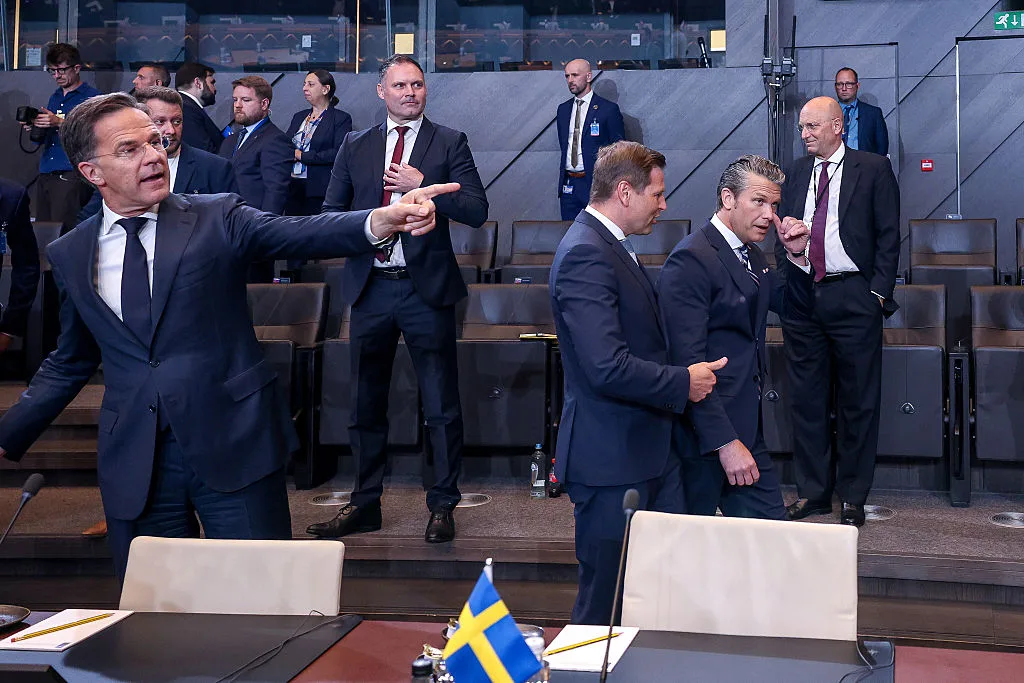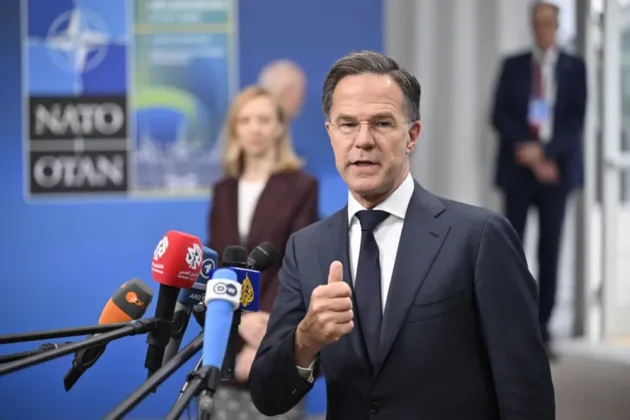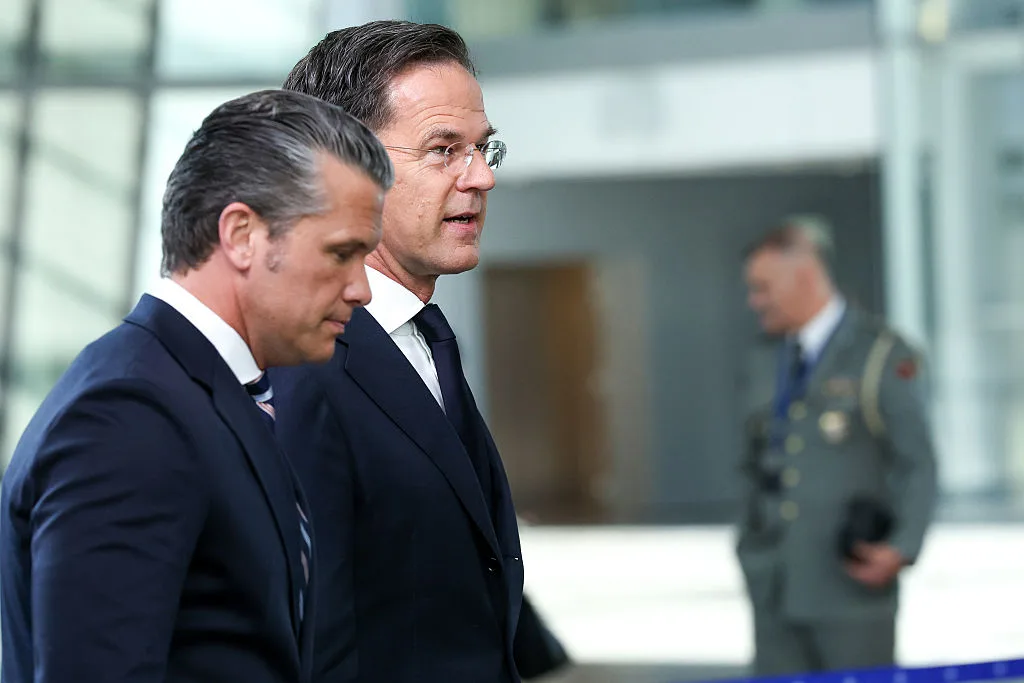



NATO Secretary General Mark Rutte has said the gradual withdrawal of US troops from European soil comes as “no surprise” and will not undermine the alliance’s defence plans on the continent.
Speaking at a press conference at NATO headquarters in Brussels on May 20, on the eve of a two-day informal meeting of NATO foreign ministers in Helsingborg, southern Sweden, Rutte argued the drawdown formed part of an expected adjustment as Washington pivots progressively towards the Indo-Pacific.
“We know that adjustments will take place. The United States has to pivot more to, for example, Asia, and this will happen over time in a structured manner,” the former Dutch prime minister said.
He added the recent announcement of the withdrawal of 5,000 troops from Germany and the cancellation of the deployment of 4,000 to Poland concerned “rotational forces” with “no impact on NATO’s defence plans”.
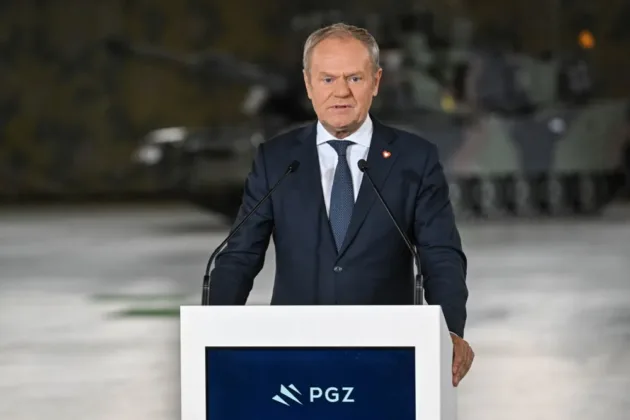
The remarks came after the Pentagon confirmed earlier in May it would pull 5,000 personnel out of US bases in Germany over the coming six to nine months, and called off the rotation of a 4,000-strong armoured brigade combat team to Poland. The cancellation affected troops who were already in the final stages of preparation for deployment to NATO’s eastern flank.
Rutte insisted the gradual reduction of American forces did not amount to an abandonment of Washington’s commitment to European security, and stressed the US would remain engaged in the continent’s defence, including in the nuclear domain.
The NATO chief framed the changes as part of a wider rebalancing of responsibilities inside the alliance. “Europe has to take up a bigger role, and it will do so together with Canada: a stronger Europe within a stronger NATO,” he said.
“So this was to be expected, I think it is completely logical,” Rutte continued, pointing to the increase in defence spending by European and Canadian allies since the NATO summit held in The Hague in 2025.
At that gathering, allies committed to raising defence spending to 5 per cent of GDP by 2035, up sharply from the 2 per cent threshold that had been the alliance’s reference target for more than a decade.
The Helsingborg meeting, on May 21-22, is intended to finalise preparations for the upcoming Ankara summit and will also address continued support for Ukraine in its war against Russia, with Ukrainian Foreign Minister Andrii Sybiha due to join the discussions.
Earlier in May, US President Donald Trump indicated further troop withdrawals could follow, while Supreme Allied Commander Europe General Alexus Grynkewich told reporters in Brussels on May 19 that European allies should “absolutely” expect additional US redeployments in the coming years as the so-called European pillar of the alliance grows stronger.