




Poland’s drive to build a hydrogen-powered public transport network has stalled, with several buses taken off the road by soaring fuel costs and weak infrastructure, according to a report by the Central and Eastern Europe Bankwatch Network (CEE Bankwatch Network).
The NGO said Polish municipalities embraced hydrogen buses largely because subsidy schemes covered up to 100 per cent of vehicle purchase costs, while electric buses typically received only 60 to 80 per cent support. Once the hydrogen buses entered service, operators found the fuel was far more expensive than electricity.
The city of Rybnik, southern Poland, reported that hydrogen fleets were more than three times as costly as diesel and four times as costly as hybrids, the report said. In Rzeszów, southeast Poland, fuel costs over 15 years were projected to exceed the purchase price of the buses themselves.
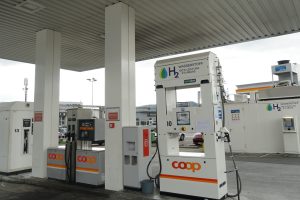
By the end of April, Poland had 247 hydrogen buses either deployed or contracted, of which 140 were in service and 107 contracted but not yet on the road. The country had only nine hydrogen refuelling stations by the end of 2025, against the 32 set out in the government’s 2021 hydrogen strategy, compared with more than 12,500 electric charging points by early 2026.
The report also questioned whether buses running on non-renewable hydrogen should count as “green”, given that more than 97 per cent of the fuel is produced from fossil gas. The NGO argued the buses are labelled “zero-emission” only because they release no tailpipe exhaust, while emissions from producing the fuel are ignored.
Cities including Wrocław, Płock and Żory revised procurement plans after concluding electric vehicles carried lower risk and lower costs, the report claimed. Kraków also scaled back its hydrogen plans because of uncertainty over fuel supply.
Poland’s electricity sector is shifting from coal to wind and solar. The energy think tank Ember said renewables generate about 30 per cent of electricity, though coal still accounts for roughly half of national output.
The Polish Government received a fresh batch of EU funds worth €7.2 billion on April 23, of which €500 million is meant to unlock hydrogen investment, according to the European Commission. The CEE Bankwatch Network said hydrogen bus and refuelling projects had already received more than €120.7 million in non-repayable grants and nearly €6 million in loans.
“Hundreds of millions of euros from EU public funds spent to artificially create demand for hydrogen [ … ] could and should have been used to deploy real, tried-and-tested solutions,” said the report’s author, Diana Maciaga.