


The EU’s use of the European Peace Facility to support Ukraine is a “terrifying” and moves the bloc towards the brink of war, according to a Hungarian government spokesman.
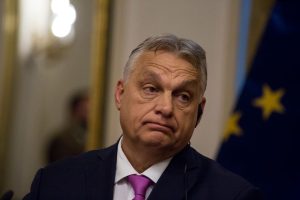
The bloc is no longer interested in maintaining peace, which was the original goal of the Peace Facility, says Zoltan Kovacs, a spokesman for Hungarian Prime Minister Viktor Orban.
“This current shift, namely financing arms supplies to Ukraine via the European Peace Facility marks a significant break from [the EU’s] previous objectives, as it now directly supports one side in the conflict, undermining its previous emphasis on maintaining peace within its territory,” Kovacs said.
“This is terrifying, as the European Union, created for common interests and peace in Europe, is consistently increasing the chances of Europe drifting to the brink of war.”
The comments came as Hungary blocked the latest—eighth—round of military aid for Ukraine totalling €500 million under the Peace Facility. The EU has to date provided around €3.6 billion in military support for Ukraine through the Facility.
Established at the start of 2021, the EPF aims to “preserve peace, prevent conflicts and strengthen international security.” Existing outside the EU’s official budget, it’s a “funding mechanism for EU actions with military and defence implications”, and has a total budget just under €8 billion for the period 2021-2027.
Hungary says there are other areas where Facility funds could be used such as the Balkans or North Africa.
Budapest is able to veto the EU’s Facility funding due to the unanimity principle that applies to issues of foreign policy, meaning all 27 members of the EU bloc must agree.
Currently, nine countries, led by Germany, are in favour of moving from this unanimity principle to qualified majority voting for foreign policy matters in the name of “effectiveness and speed of our foreign-policy decision-making”.
Hungary is embroiled in an argument with the EU over billions of euros that the latter blocked due to concerns over rule of law issues in the country:
.@TNavracsicsEU: Hungary is working towards reaching an agreement with the @EU_Commission on issues hindering EU fund disbursement for recovery and resilience. Minister Navracsics stated that the government is determined to meet the Commission’s requirements to access EU… pic.twitter.com/pPD0Lwx6dG
— Zoltan Kovacs (@zoltanspox) May 16, 2023