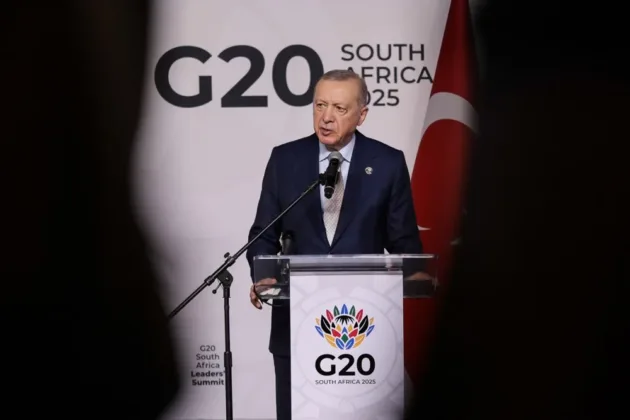





Turkey’s President Recep Tayyip Erdoğan has rejected Israel’s move to recognise the Armenian genocide, accusing the Israeli Government of using the decision to distract from its “barbarism” in Gaza.
The Turkish leader made the remarks after a cabinet meeting in Ankara, days after Israel’s Government voted to acknowledge the mass killing of Armenians under the Ottoman Empire.
“In our history, there is no genocide, no massacre, no oppression,” Erdoğan said, denying that the First World War-era killings amounted to a planned extermination.
He dismissed the recognition as slander from what he called a criminal gang responsible for the deaths of 73,000 Palestinians in Gaza, most of them women and children.
The remarks referred to Israel’s offensive in the enclave, launched after the attacks led by Hamas on October 7, 2023.
Turkey does not deny that Armenian civilians died but rejects the term genocide. It argues the deaths stemmed from inter-ethnic fighting, disease and famine during the war rather than a state plan of annihilation.
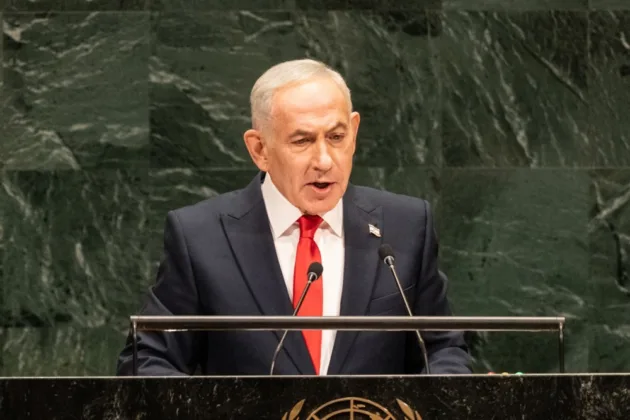
Israel’s cabinet approved the recognition on June 28, in a proposal put forward by Israeli foreign minister Gideon Sa’ar. The measure would still require ratification by the Israeli parliament to become formal policy.
Sa’ar, who led the initiative, called the step a moral duty and thanked Prime Minister Benjamin Netanyahu for his backing.
“It is never too late to do the right thing,” the foreign minister said.
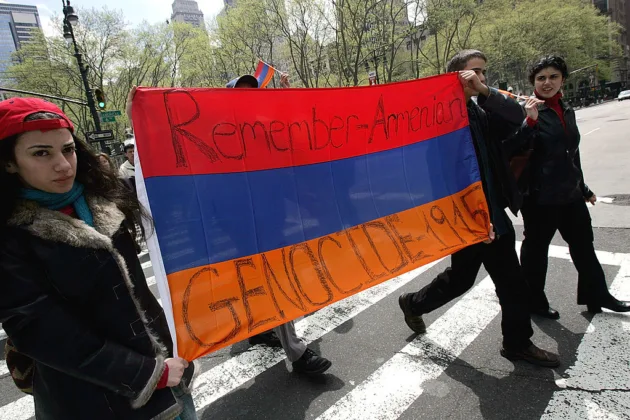
The killings are recognised as genocide by more than 30 countries, including the United States, as well as by the European Parliament and most EU member states.
Historians widely regard the 1915-1917 campaign, in which about 1.5 million Armenians died, as the first systematic genocide of the modern era and the most studied after the Holocaust.
Israel had long avoided the designation for fear of damaging ties with Ankara. Those relations have deteriorated sharply since the start of the Gaza war.
Turkey now stands among a shrinking group of states that reject the genocide label.
It is meanwhile pursuing a normalisation of relations with Armenia, part of a wider push from Yerevan that also seeks peace with Azerbaijan after Armenia’s 2023 defeat in Nagorno-Karabakh.