





New European Union rules governing how cars are designed, built and scrapped have been published in the Official Journal and enter into force on August 13.
Regulation 2026/1738 merges two directives dating from 2000 and 2005 into a single, directly applicable law covering the whole vehicle life cycle. Most of its obligations start to apply from September 1, 2028, with the toughest deadlines falling in the 2030s.
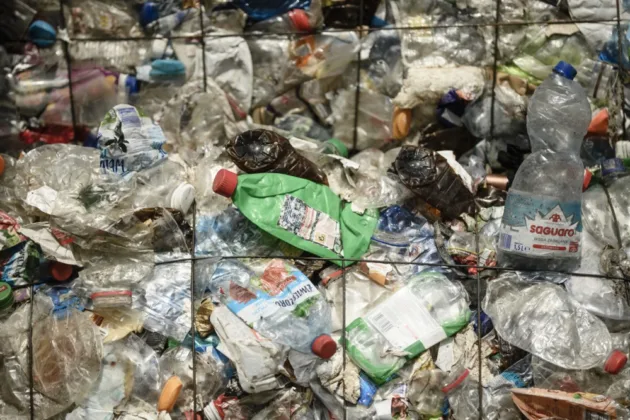
Its central measure is the bloc’s first binding target for recycled plastic in vehicles. New vehicle types approved from September 1, 2032 must contain at least 15 per cent recycled plastic by weight, rising to 25 per cent from September 1, 2036.
At least a fifth of that content has to come from scrapped vehicles or from parts stripped out during a car’s working life. The “closed loop” condition is intended to guarantee dismantlers a buyer for what they recover.
The European Commission must also decide whether to set targets for recycled steel, aluminium, magnesium and critical raw materials, drawing on a feasibility study due within a year of entry into force.
Manufacturers will have to supply detailed instructions for removing and replacing parts, both during a car’s life and at the scrapyard, and to issue a digital circularity vehicle passport listing the materials each vehicle contains.
Extended producer responsibility follows in September 2029, making carmakers liable for the cost of collecting and treating vehicles once they are written off.
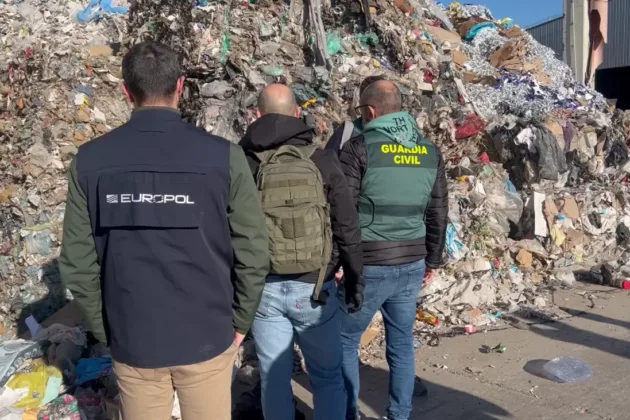
From August 2031 only roadworthy vehicles may be exported outside the EU. The measure targets the roughly 3.5 million cars that disappear from EU roads each year and are shipped abroad or dumped illegally.
Of the 285.6 million motor vehicles registered in the bloc, about 6.5 million reach the end of their life annually. Existing rules already recover around 85 per cent of the material they contain.
Jessika Roswall, Commissioner for Environment, Water Resilience and a Competitive Circular Economy, said when the deal was struck that it would ensure “the precious materials inside every vehicle are recovered”.
Stéphane Séjourné, the Commission’s industrial strategy chief, has framed the measure as industrial policy, arguing that recycling underpins the competitiveness of Europe’s plastics sector.
Parliament’s co-rapporteurs, Jens Gieseke and Paulius Saudargas of the European People’s Party, said negotiators had “secured realistic targets and ensured less red tape”.
Industry reaction has been mixed. Spain’s recovery and recycling federation FER has warned that extending mandatory recycled content to steel and aluminium would impose disproportionate technical and economic demands without matching environmental gains.
The European Environmental Bureau took the opposite view, calling the outcome “a textbook case of political backsliding under industry pressure”.