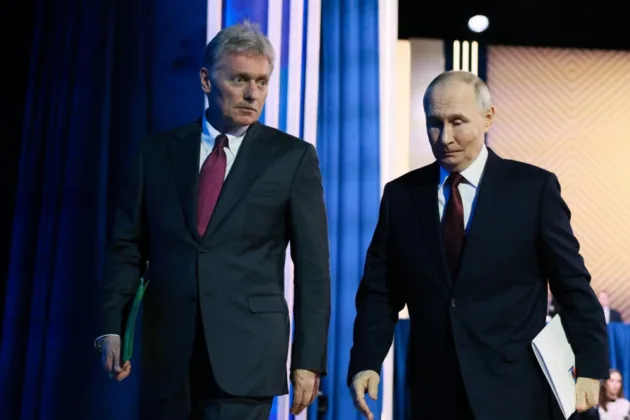










US President Donald Trump has said Vladimir Putin will not attack NATO territory, brushing aside reported American intelligence assessments that Moscow could move against the alliance.
He was speaking in the Oval Office on August 27 after being asked whether the Russian President had given him such an assurance.
“He’s not going to be attacking a NATO territory,” Trump said. He added that his talks with Putin had been good, without saying when they took place.
Asked to confirm reports that Washington had delivered a warning to Moscow, Trump declined to comment but repeated that no attack was coming.
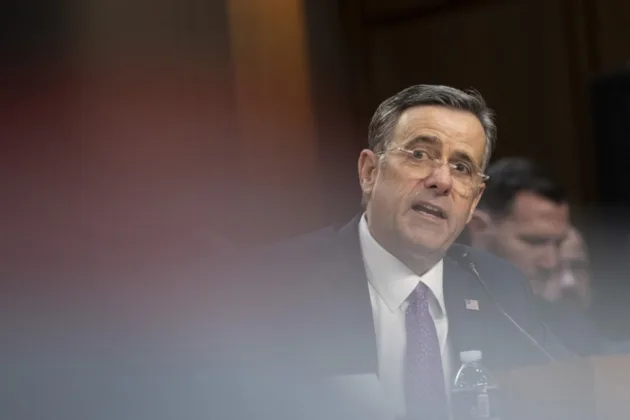
Central Intelligence Agency (CIA) director John Ratcliffe flew to the Russian capital on August 25 in an unannounced visit that the Kremlin has since played down, describing it as contact between intelligence services.
The Wall Street Journal reported that Ratcliffe had carried a warning against striking any NATO member. Politico reported that he singled out Estonia, Latvia and Lithuania.
The Journal had reported earlier in August that US intelligence believed Putin could test the alliance with a limited assault within the next few years. CBS News said Ratcliffe also pressed Moscow over Iran, warning of further sanctions if the Strait of Hormuz did not reopen.
Russia’s foreign intelligence chief Sergei Naryshkin confirmed the meeting. “Yes, the meeting did take place, but there is nothing unusual about it,” he told state news agency TASS.
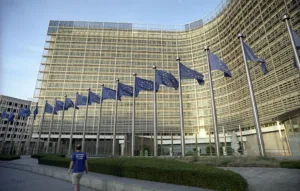
In Brussels, a senior European Union official said member states’ services saw no sign of preparations for an attack. “We see no assessment of any of that being under preparation now,” the official said on condition of anonymity.
The same official said Russia was still working to create difficulties for European countries through hybrid operations, and expected those to continue.
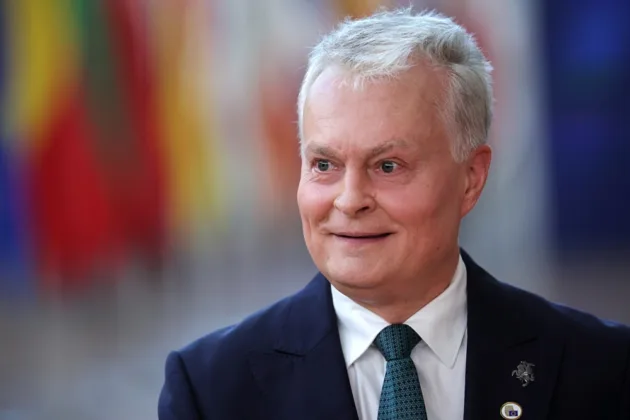
Baltic governments played down the reports as well. Estonian foreign minister Margus Tsahkna said allies were right to treat possible provocations seriously.
“We must remain vigilant, but Estonia’s threat assessment has not changed,” he said.
Latvian Prime Minister Andris Kulbergs told Latvians there was no cause for concern, saying the risk of a direct military invasion remained low. Latvian foreign minister Baiba Braze said Riga was taking further measures with allies to strengthen its security.
Airspace incidents along the eastern flank have multiplied during the Ukraine war. Latvia has recorded Ukrainian drones straying across its border this year and its military suspects Russian electronic warfare of redirecting them.
NATO’s 32 allies named Russia a long-term threat to Euro-Atlantic security in the declaration adopted at their summit in Ankara in July.