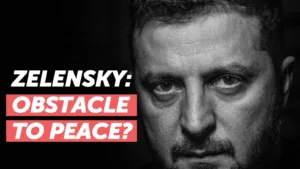




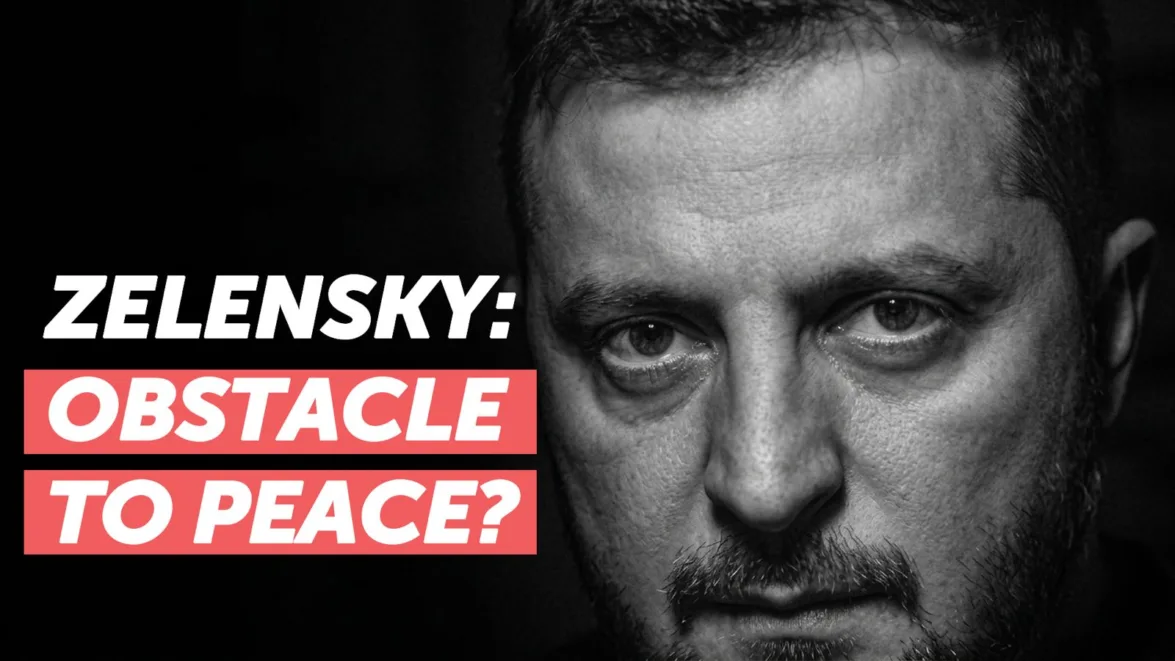

In this episode of Frontline, Iuliia Mendel, a Ukrainian journalist, political activist and former spokesperson for Volodymyr Zelensky, delivers a deeply critical assessment of the Ukrainian president, arguing that he has become the biggest obstacle to peace in Ukraine.
Having worked directly alongside Zelensky, Mendel offers an insider’s perspective on the transformation of his presidency, the concentration of political power, alleged corruption within the government, and the growing divide between Ukraine’s leadership and its war-weary population.
Following her outspoken criticism of Zelensky, Mendel has faced presidential sanctions and, more recently, criminal proceedings.
On September 13, 2026, Zelensky signed a decree implementing a decision by Ukraine’s National Security and Defense Council, imposing ten years of sanctions against her.
The measures include asset freezes and restrictions on financial and commercial activities. The official justification cited alleged dissemination of disinformation and Russian propaganda.
The situation escalated further on November 3, 2026, when Ukraine’s Security Service (SBU) and the Office of the Prosecutor General notified Mendel, in absentia, that she is suspected of high treason committed under martial law. Ukrainian investigators allege that her statements in foreign media and social media activity discredit Ukraine internationally and promote narratives favourable to the Kremlin.
In this interview, Mendel explains why she believes Zelensky has abandoned many of the promises he made when he came to power in 2019. She accuses his administration of concentrating power, tolerating corruption and rejecting opportunities for peace negotiations.
She also discusses:
- What she witnessed while working inside Zelensky’s administration.
- The alleged connections between political leadership, corruption and Western financial assistance.
- Forced mobilization, human rights concerns and the treatment of Ukrainian citizens.
- The devastating demographic and economic consequences of the war.
- Why she believes several opportunities for negotiated peace have been rejected.
- The role of NATO, territorial compromises and diplomatic negotiations in a possible settlement.
- Her concerns about political opposition, freedom of expression and democracy in Ukraine.
- Why she believes Ukraine needs a new political direction to preserve its independence and sovereignty.
Mendel argues that the interests of Ukraine’s political leadership are increasingly at odds with those of ordinary Ukrainians, who continue to bear the human, economic and social costs of the war.
She believes that a negotiated settlement, even if it requires difficult compromises, is essential to preserving Ukraine’s future. She also argues that Zelensky should step down and has left open the possibility of becoming more directly involved in Ukrainian politics.
Is peace still possible under the current Ukrainian leadership? And what compromises would be necessary to end the war?