






The European Union has sent a joint team of senior officials to Abu Dhabi for US-mediated talks between Ukraine and Russia, though its envoys are not expected to sit at the negotiating table. The two-day meeting, the first round under American mediation in nine months, opened today.
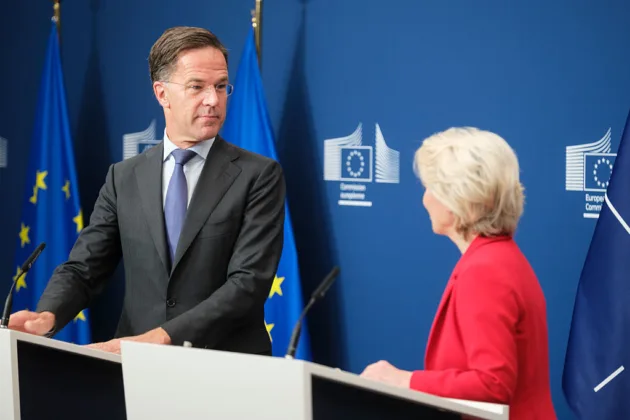
The EU team is led by Björn Seibert, chief of staff to European Commission President Ursula von der Leyen, and Anna-Maria Boura, foreign policy adviser to European Council President António Costa. National security advisers from France, Germany and the UK were also due to attend, according to a German official and two EU diplomats cited by Politico.
An EU official said the Europeans would not be in the room, while the German official said the format would be settled as discussions progressed. Kremlin foreign policy aide Yuri Ushakov told Interfax in October that European countries would not be included in this round.
A source close to Kyiv’s negotiating team told Ukrainska Pravda in October that the Europeans, lacking a designated representative, had no mandate to take decisions. Italian Prime Minister Giorgia Meloni has complained about the absence of a unified EU approach, and EU leaders were due to discuss how the bloc is represented on November 13.
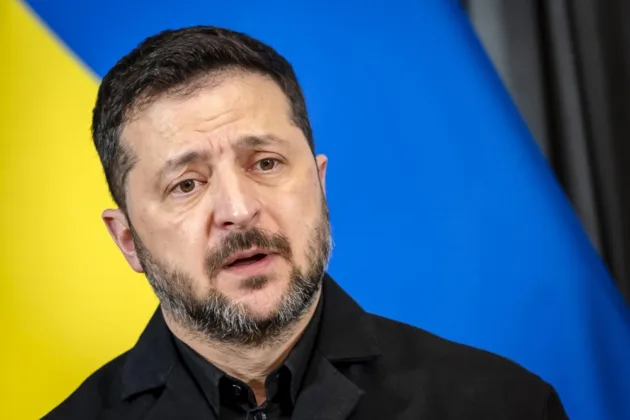
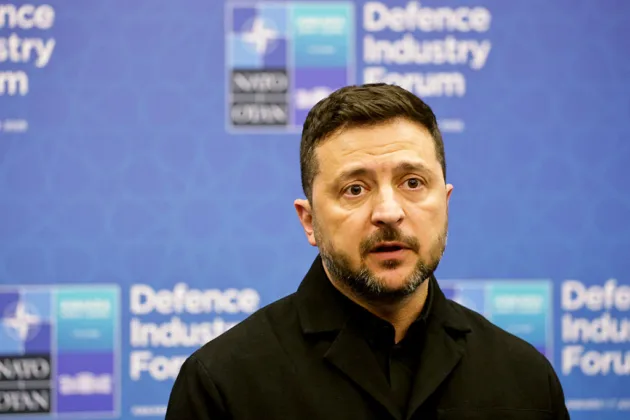
Ukraine’s four-member delegation is unchanged from earlier rounds. It is led by Rustem Umerov, head of the Foreign Intelligence Service, alongside presidential office chief Kyrylo Budanov, his first deputy Serhii Kyslytsia and Davyd Arakhamia, who leads the Servant of the People faction in parliament.
Kyiv was seeking a ceasefire as a first step towards a broader deal, provided any settlement protected its sovereignty and offered credible security guarantees.
Russia’s team is again headed by Kremlin aide and former culture minister Vladimir Medinsky, whose ministry issued a policy document in 2014 declaring that Russia was not Europe. Deputy Foreign Minister Sergei Ryabkov, who oversees arms control and relations with Washington, joined talks on Ukraine for the first time.
Ryabkov was closely involved in Moscow’s December 2021 demands that NATO halt enlargement and roll back its presence in eastern Europe to 1997 positions. Yuri Zhigarlovsky, deputy head of the General Staff’s Main Operational Directorate, was also part of the delegation.
The Institute for the Study of War (ISW) said Ryabkov’s experience could be used to undercut Ukraine’s post-war security guarantees. The think tank also questioned whether the Kremlin was serious about negotiating.
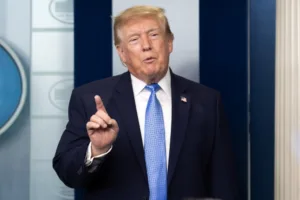
US President Donald Trump, who met Kremlin envoy Kirill Dmitriev at the White House on November 5, said an eventual deal would involve “more than Ukraine” and could extend to the whole of Europe. Neither Washington nor Moscow has said whether NATO’s security arrangements would be on the agenda.