





The French Government has insisted European countries will take part in US-mediated talks between Ukraine and Russia in Abu Dhabi on November 10-11, amid continuing confusion over who would speak for the European Union.
French foreign minister Jean-Noël Barrot told broadcasters RTL and Public Sénat on November 8 that France would definitely be present and Europeans would be well represented. He said he would not attend in person and could not yet say who would represent Paris.
Barrot said Europeans had told American mediators that no discussion about the continent’s future could ignore their expectations and demands. He added that no deal with consequences for European security could be designed or discussed without them.
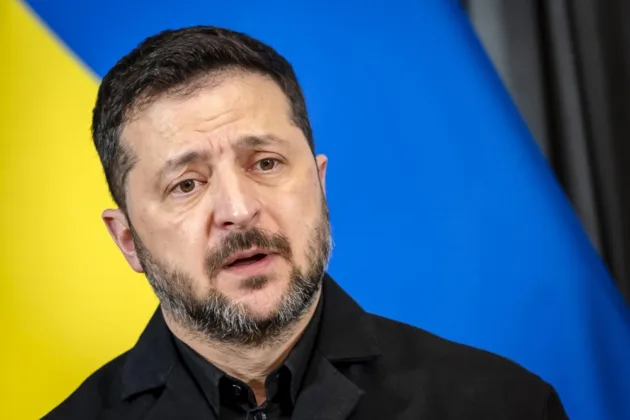
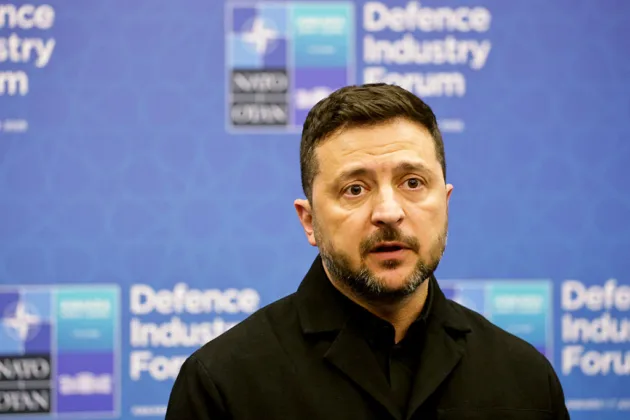
The Abu Dhabi meeting had been presented as a trilateral round between Ukrainian, Russian and American delegations, the first since February. Ukrainian President Volodymyr Zelensky had pressed for Kyiv’s European allies to be involved.
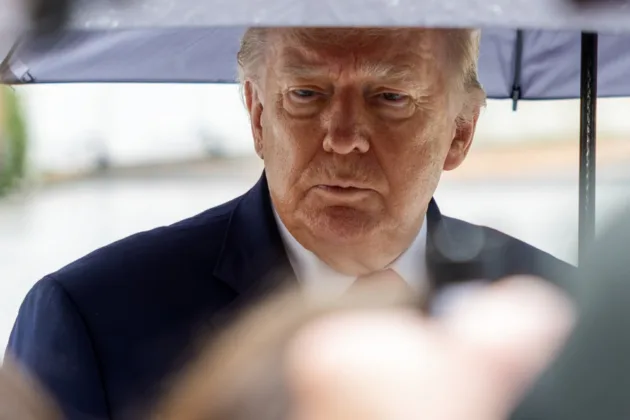
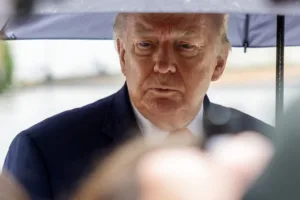
Barrot’s comments followed a White House meeting on November 5 between US President Donald Trump and Russian envoy Kirill Dmitriev. Trump gave no details of their discussions but told reporters a coming agreement “might involve all of Europe”.
Asked what Trump had in mind, Barrot said he did not know. He stressed that Europe’s security could not be settled over its head.
The French assurances came amid open disagreement among member states over who should represent Europe. Italian Prime Minister Giorgia Meloni wrote to European Council President António Costa on November 5 demanding the EU decide who speaks for the bloc in the peace talks and with what mandate.
Meloni said plans for a European presence in Abu Dhabi had been left vague. Citing European sources, the Spanish news agency Europa Press reported that no EU presence was planned there at all.
According to Euronews, the European Commission and the European Council had been preparing a joint team of senior officials for the Abu Dhabi round. Costa has said he would make time to discuss the issue at an informal European Council in Dublin on November 13.
Barrot also used the interviews to attack Jean-Luc Mélenchon, leader of the left-wing La France Insoumise (LFI), over his stance on the war. He accused Mélenchon of acting as a mouthpiece for the Kremlin after the LFI leader backed a referendum on the status of Donbas, much of which is occupied by Russian forces.
Barrot said the position disqualified Mélenchon from the offices he sought. Mélenchon, who addressed a rally at Le Bourget, north of Paris, on November 7, is standing in the 2027 French presidential election.