









For years, Brussels and Paris have been preaching to the rest of Europe about “strategic autonomy”, “European solidarity” and the inviolability of international law. Yet when an EU-backed critical energy project actually hits the water in the Eastern Mediterranean, Europe’s self-proclaimed champions of sovereignty quietly bow to Ankara before starting a propeller.
The latest saga surrounding the Great Sea Interconnector (GSI), the undersea electrical cable designed to link the grids of Greece, Cyprus and eventually Israel, has exposed the weakness and hypocrisy of Europe’s geopolitical positioning.
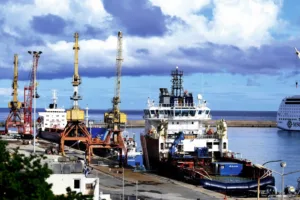
After more than two years of Turkish intimidation and diplomatic paralysis, the French research vessel Abeille Marengo finally departed from Heraklion, Crete, on November 10 to resume seabed surveys for the cable. Athens hailed the issuance of its NAVTEX maritime warning as a triumph of sovereign resolve. Yet behind the diplomatic spin lies an uncomfortable reality.
Before the French vessel could even begin its mission, Paris dispatched a formal written communication — a note verbale — directly informing Turkey of the survey operations and explicitly referencing “contested areas”.
Turkish Foreign Minister Hakan Fidan had already declared on October 21 that Ankara had “no objection” to the surveys, provided written notification was sent. Then Turkey issued its own competing NAVTEX covering what it claims is its continental shelf.
Athens and Paris insist that merely “informing” Ankara does not constitute legal recognition of Turkish maritime claims, nor does it amount to a formal request for permission. That is diplomatic hair-splitting of the highest order. In the unforgiving reality of geopolitics, actions set precedents, not disclaimers. To officially notify a third party of planned operations in waters that the same communication acknowledges as “contested” is, in substance and practice, a form of seeking clearance.
By formally briefing Ankara before laying an EU-financed cable between two European Union member states, France effectively legitimises Turkey’s self-appointed veto power over the Eastern Mediterranean.
The timing is no coincidence. Paris has spent the autumn quietly pursuing a sweeping defence rapprochement with Ankara, signing a new 2026 defence cooperation roadmap covering intelligence sharing, air defence and industrial ties, while French President Emmanuel Macron exchanges warm diplomatic niceties with Turkish President Recep Tayyip Erdoğan.
When French defence-industrial ambitions and strategic calculations collide with Greek and Cypriot sovereign rights, Paris’s much-vaunted “strategic partnership” with Athens suddenly becomes negotiable.
Meanwhile, where is the European Union? The GSI is designated as an EU Project of Common Interest and is heavily funded by European taxpayers. Yet Brussels remains conspicuously absent, content to let a non-EU regional revisionist dictate the terms, timing and diplomatic protocol for connecting two member states’ energy grids.
Europe’s political establishment loves lecturing smaller nations on European values, legal order and collective security. But when Turkish gunboat diplomacy threatens an EU infrastructure project, Brussels looks away and Paris sends a formal diplomatic briefing to Ankara.
If the European Union cannot even lay an electrical cable between two of its own member states without first notifying the Turkish Foreign Ministry about operations in “contested areas”, then “European sovereignty” is not a strategy. It is merely a motto, a passe-partout rhetoric punchline — and a very unconvincing one too.