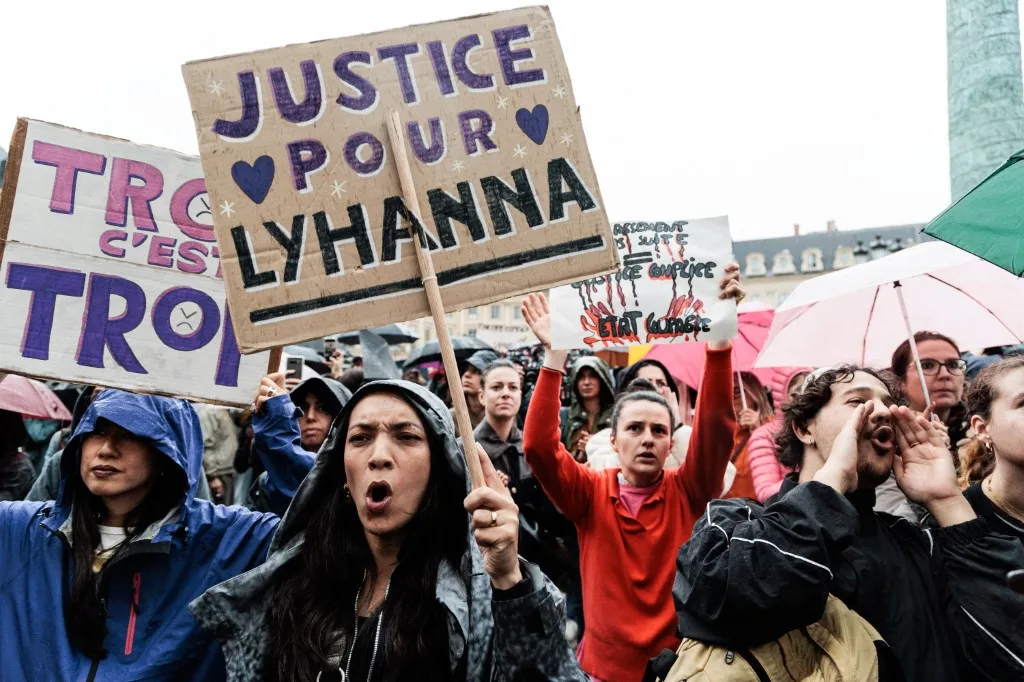

The discovery in the Gers region in the south-west of France of a body believed to be that of 11-year-old Lyhanna, who disappeared on May 29 after leaving school, has triggered a national crisis over France’s child-protection system and the handling of prior warnings.
President Emmanuel Macron, responding after the grim discovery, said the country’s justice system must be strengthened.
“We cannot accept what happened,” he said, adding that “the collective system for the protection of our children must be further improved.”
“We cannot accept what happened,” he said.
Lyhanna’s disappearance escalated into a major criminal investigation as a man known to the family was taken into custody after investigators identified inconsistencies in his statements.
Early reporting suggests he had previously been the subject of allegations involving minors, including allegation of rape.
“It is clear that there is a malfunction, and that we cannot ignore the flaws that have been revealed,” Macron declared today.
Despite criticisms from opposition parties, Macron rejected the idea that this affair could be explained by a lack of resources allocated to the justice system or law enforcement.
“I urge you to look at the resources that have been invested in the justice system and the gendarmerie since 2017 ,” he reminded everyone, referring to his arrival at the Élysée Palace.
Politicians on the right side of the political spectrum in France have also pointed out the dysfunction of the French Justice system.
On the Right, Jordan Bardella, president of the National Rally, described the situation as a “serious failure of the State,” adding that “the French people demand accountability” in a post on X.
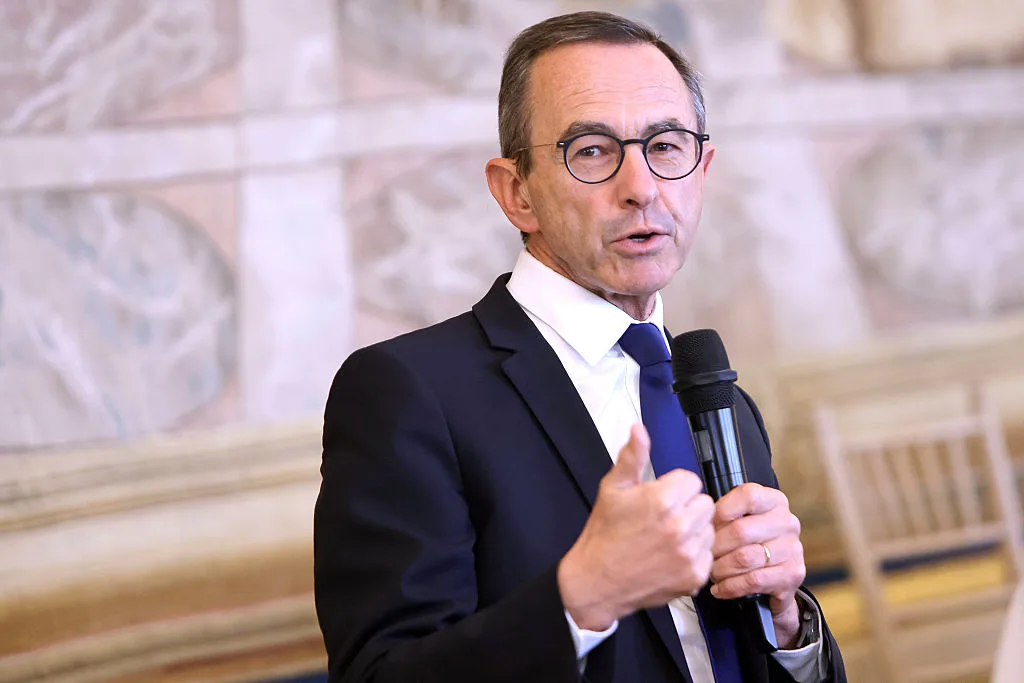
Bruno Retailleau, leader of The Republicans and former interior minister, called for deep reform of the justice system, arguing that “a society that is no longer even capable of protecting its children is a society whose members will eventually turn against each other”.
On the Left, Marine Tondelier, national secretary of the Green Party, called the case “a symbol of a political and judicial system incapable of managing the issue of sexist and sexual violence”.
She argued that lack of resources played a role alongside broader institutional failures.
She also claimed that “a paedophile was allowed to go completely free, despite the warnings”.
Mathilde Panot, member of the hard left party la France Insoumise, framed the case as evidence of deeper systemic issues, citing “systemic patriarchal domination, years of underfunding of the justice system, and disregard for children’s voices”.
This morning the French Justice Ministry acknowledged the gravity of the case and the need to examine potential failures.
“We are all terrified by this failure, which reveals our poor organisation and, undoubtedly, at the Ministry of Justice as elsewhere, the fact that we do not take children seriously,” the Ministry spokesperson said.
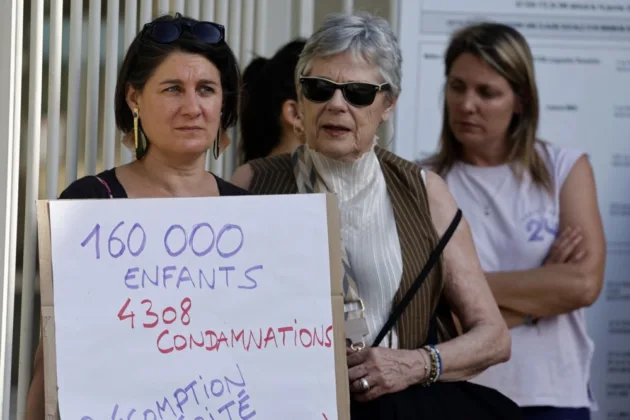
In 2023, the Independent Commission on Incest and Sexual Violence Against Children (Ciivise) published a report alerting to the possible dysfunction of the French justice system concerning the protection of minors.
The Lyhanna case echoes the recent scandal surouding sexual abuse in parts of Paris’s after-school care system (“périscolaire”). These cases contributes to a growing perception that they are recurring institutional failures in France’s child protection system.