

Belgian and French authorities have dismantled a European drug-trafficking network that moved consignments hidden in specially adapted vehicles towards Italy and Spain, the European Union Agency for Criminal Justice Cooperation (Eurojust) has said.
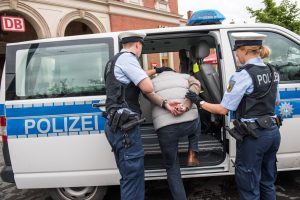
The coordinated operation led to 11 arrests and the seizure of €60,000 in cash. Officers also confiscated several vehicles, luxury goods, dozens of mobile phones, computers and documents relevant to the case, according to Eurojust.
Investigators believed that several of the network’s key figures had been living in Brussels. The agency said the group was thought to have trafficked large quantities of drugs between a number of European countries, with shipments leaving from France and Belgium.
The traffickers prepared vehicles fitted with concealed compartments, which allowed them to hide the drugs and carry them across France into Italy and Spain. Eurojust gave no further detail on the reach of the network in the destination countries.
The action day took place in Belgium on June 9, though the agency did not make it public until June 15.
Despite the arrests, the authorities suspected that some of those involved had already left Belgium, Eurojust said. They had been identified, though, even if they were no longer in the country.
Eurojust, which is based in The Hague, coordinates judicial cooperation between EU member states in serious cross-border cases. Drug trafficking accounts for a large share of the organised crime it helps to tackle.
The agency said nothing about the type or quantity of drugs involved, or the value of the consignments that had been moved. It also did not name the suspects or set out the charges they would face.
Belgium and France have become important departure points for trafficking groups supplying southern Europe, and cases of this kind increasingly span several jurisdictions at once.
That cross-border reach is why bodies such as Eurojust have taken on a growing role, helping prosecutors in different member states share evidence and time their arrests together.
Europol, the EU’s police agency, has estimated that 50 per cent of the most threatening criminal networks operating in the bloc are involved in the drug trade, which it describes as one of the most serious security threats facing Europe.
The case remained open, with Eurojust indicating that some suspects were still being sought.