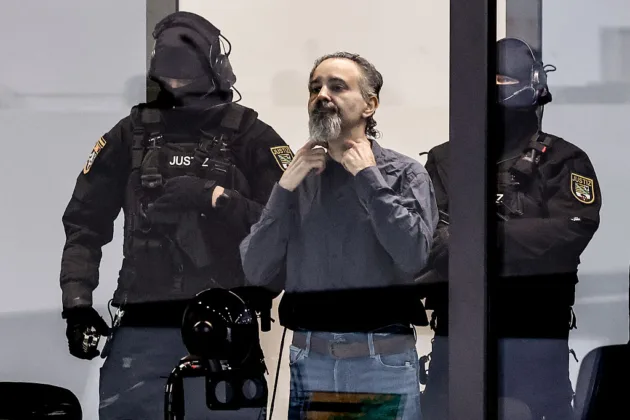






German prosecutors have demanded a life sentence for the Saudi-born man who has confessed to driving a car into a Christmas market in Magdeburg, eastern Germany, in 2024, killing six people.
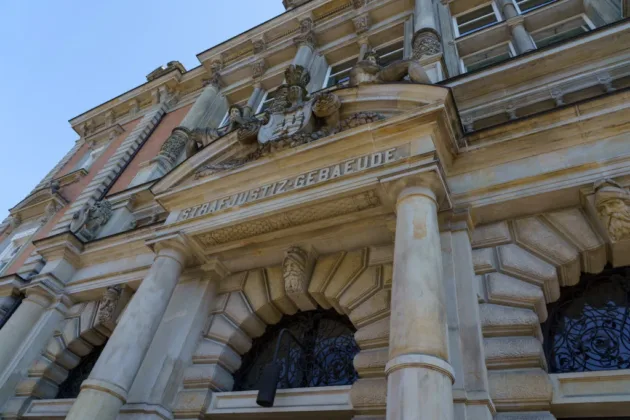
Taleb Jawad al-Abdulmohsen, a 51-year-old psychiatrist and anti-Islam activist, faced the harshest possible penalty, prosecutor Matthias Boettcher told the regional court on June 4.
The attack, which also wounded more than 300 people, “defies human comprehension” and “was planned long in advance”, Boettcher said. He told the court the suffering caused to victims and their families was “simply indescribable”.
Abdulmohsen drove a rented car into the crowded market on December 20, 2024. The dead were a nine-year-old boy and five women aged 45 to 75.
He has been charged with six counts of murder and 338 counts of attempted murder.
During the months-long trial, Abdulmohsen admitted planning an attack though he denied deliberately running people over. He has claimed he did not realise he had struck anyone, an argument that prosecutor Marco Reinl described as utterly implausible.
Video footage showed the defendant driving the 340-horsepower, two-tonne vehicle at speed in a zigzagging pattern through the crowd, Reinl said.
“I am the one who drove the car,” Abdulmohsen told the court when the trial opened in November 2025, though the rest of his statement consisted of rambling claims about politicians, religion and an alleged police cover-up.
His later testimony was often incoherent and laced with conspiracy theories and right-wing ideas, according to AFP.
Boettcher said Abdulmohsen’s motive lay in a dispute with a refugee organisation in Cologne, western Germany, against which he had lost a civil case. The defendant had sought revenge for the defeat and wanted to keep attracting public and media attention, the prosecutor argued.
A psychiatric expert had diagnosed him with a narcissistic personality disorder, the court heard. Boettcher said the defendant had shown “no remorse, regret or introspection whatsoever”.
Closing arguments from the defence and from victims’ representatives were expected in the coming days. A date for the verdict had not been set.
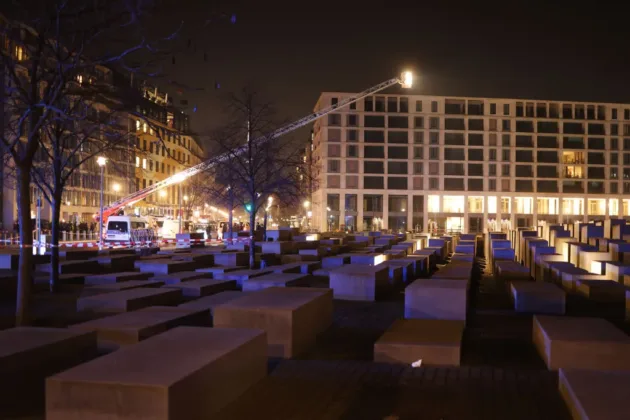
The attack stunned Germany and fuelled a heated national debate about security at Christmas markets, a popular seasonal tradition. It also sharpened arguments over immigration during a national election campaign.
In 2016, an Islamic extremist drove a truck into a Christmas market in Berlin, killing 12 people and wounding dozens more.