








Nigel Farage has blamed Spain’s mass regularisation of undocumented migrants for the border crisis in Ceuta, warning that many of those who crossed would make their way to Britain.
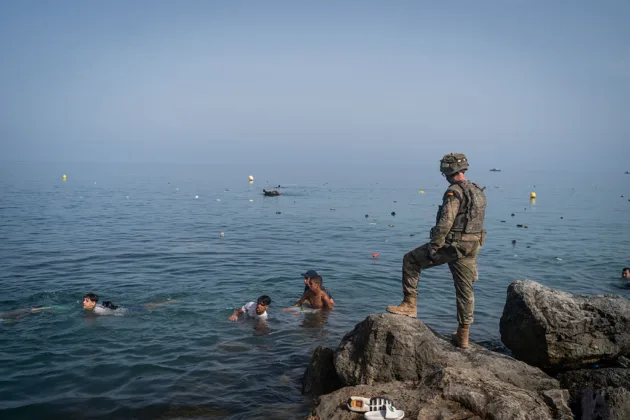
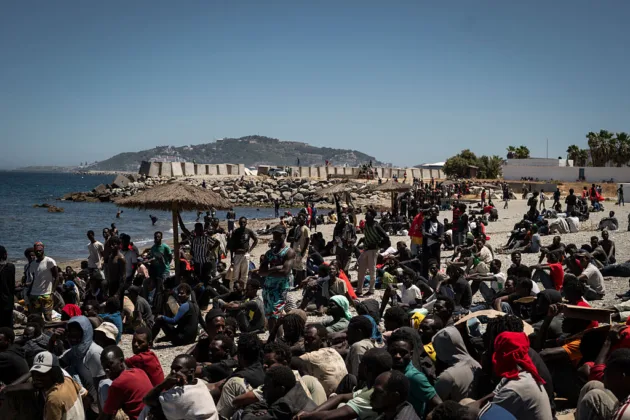
The Reform UK leader released a video message on July 30 responding to footage of crowds swimming around the frontier and clambering over the breakwater at Tarajal beach. He described the scenes as “a battle for the future of our civilisation”.
“It’s time to wake up everybody,” Farage said, adding that the Spanish authorities appeared powerless to act.
He pointed to the amnesty granted earlier this year to around half a million people who had entered Spain illegally. Madrid had made clear that anyone who arrives will be allowed to remain, he argued.
Farage said many of the young men filmed in Ceuta, some of them dangerous, would head towards Calais and on to the United Kingdom. Both the Conservatives and Labour had failed British voters on immigration, he added.
Spain’s extraordinary regularisation was approved by royal decree and closed to applications on June 30. Ministers had expected about 500,000 people to come forward, though the scheme drew more than a million applicants.
The Spanish Government has insisted the measure applies only to migrants already living in the country and does not encourage new arrivals.
Ceuta declared an emergency on July 30 after its reception centres were overwhelmed. Regional President Juan Jesús Vivas asked Madrid for troops and for additional Civil Guard and National Police officers.
At least 18 people died attempting the crossing, according to Civil Guard representatives in the city. Most drowned, while others were killed in a crush at the Tarajal breakwater.
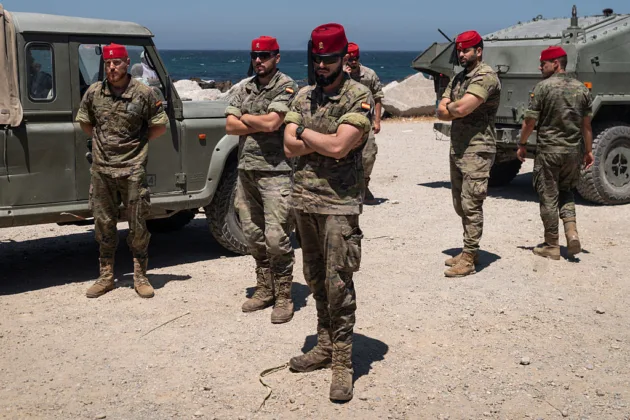
Ceuta’s government said between 1,500 and 2,000 people had entered in the 10 days to July 30, with thousands more crossing on July 30 and 31. Spain announced it would deploy the army to the territory.
Local officials have linked the surge to a Spanish Supreme Court ruling of July 8 barring the summary return of migrants intercepted at sea. Migration campaigners questioned whether the judgment alone could account for the numbers.
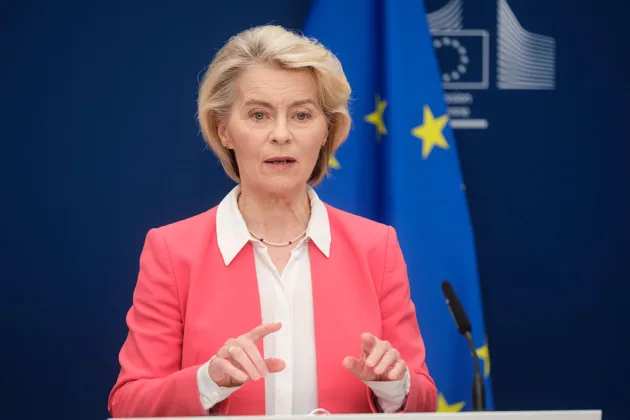
Spain and Morocco agreed to send back those who entered illegally as quickly as possible, while the European Commission offered Frontex support.
The crisis has drawn reaction across the European Union. Italian Prime Minister Giorgia Meloni threatened to suspend Schengen arrangements with Spain, and Alternative for Germany (AfD) leader Alice Weidel said the events of 2015 must not be repeated.
Ceuta and Melilla form the EU’s only land borders with Africa.