











At least 28 people have died in the earthquake that struck Kumamoto prefecture on the Japanese island of Kyushu on July 28, the Japanese Government said on July 30. The figure includes deaths that authorities are still assessing for a link to the disaster.
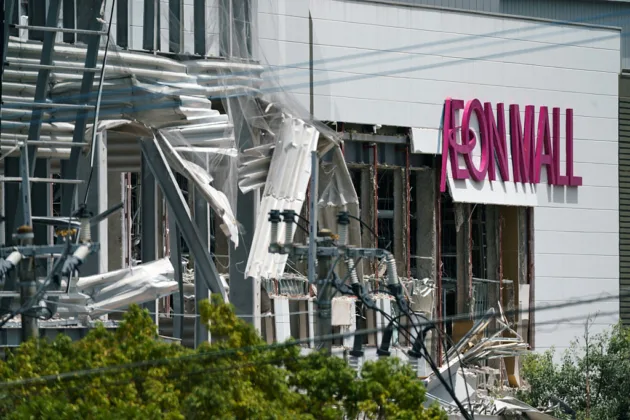
Chief Cabinet Secretary Minoru Kihara said five of the victims died in an explosion that brought down part of a shopping mall in the town of Kashima. Another five were killed at a Nippon Paper Industries mill in the city of Yatsushiro, where a chimney collapsed.
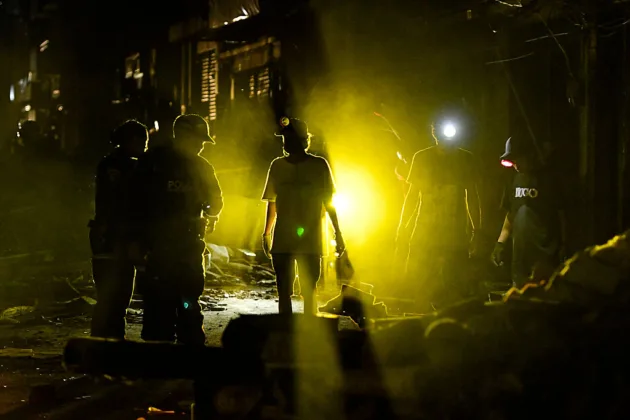
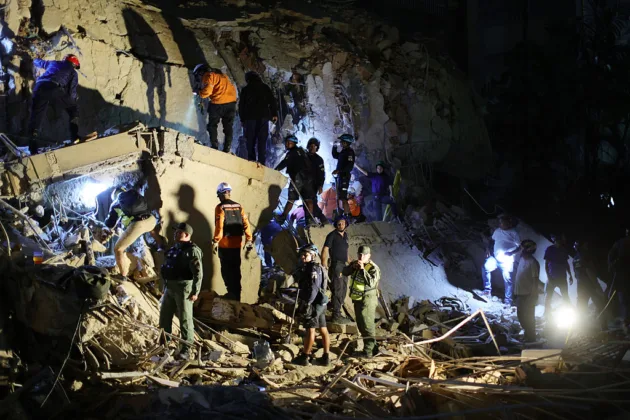
“Rescue efforts are a race against time,” Kihara said. Police, firefighters and Self-Defence Forces personnel worked past the 72-hour mark widely treated as decisive for finding people alive.
The Japan Meteorological Agency put the quake at magnitude 7.1, while the United States Geological Survey recorded 6.8. It struck at 4.27pm local time and registered the maximum reading of 7 on the Japanese seismic intensity scale in the city of Uki and the town of Hikawa.
About 10,000 people have left their homes for more than 400 shelters. Some 23,000 households remained without electricity on July 30 and 74,800 without running water, with temperatures forecast to exceed 35 degrees Celsius for the rest of the week.
Prime Minister Sanae Takaichi, who won a landslide election victory in February, pledged on July 29 to release local allocation tax grants to affected municipalities ahead of schedule.
She said the Government was sending food, water, toilet paper, power-supply vehicles and portable air conditioners without waiting for requests from local authorities, a practice Tokyo calls push-type support.
Takaichi has taken charge of an emergency disaster task force and ordered the deployment of 3,600 Self-Defence Forces personnel at the request of the Kumamoto governor. Kyushu Electric Power reported no abnormalities at the Sendai and Genkai nuclear plants in neighbouring prefectures.
Von der Leyen posted a message of sympathy on July 29 in which she told Japan that “Europe stands with you”. She also singled out rescuers searching the debris for those still trapped.
Tokyo and Brussels are bound by a strategic partnership agreement and a free trade deal, and Takaichi met von der Leyen at the G7 summit in Evian in June to discuss defence industrial cooperation and supply chains.
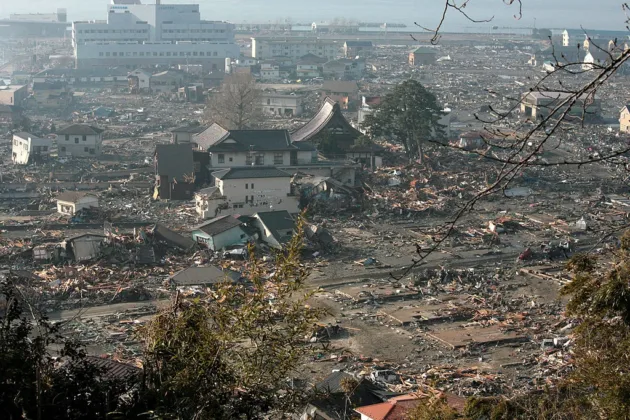
Kumamoto was struck by two earthquakes in April 2016 that killed 277 people, most of them in the weeks that followed as a result of injuries and illness during evacuation.