




The United States has insisted it remains committed to NATO and has no plans to leave, even as Washington pushes European allies to shoulder far more of the burden for the continent’s defence.
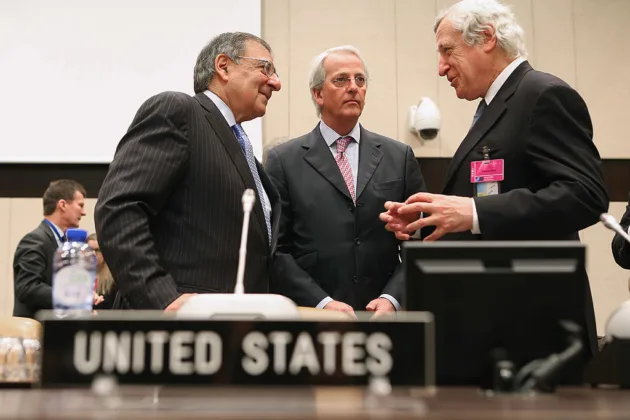
US ambassador to NATO Matthew Whitaker told reporters in Brussels on July 1 that the country would stay in the alliance, noting its role as a founding member in 1949. He said the aim was to keep shifting responsibility for Europe’s conventional defence onto European members.
“The United States is not going anywhere, but we have responsibilities globally,” Whitaker said.
His comments came days before a NATO summit in Ankara, the Turkish capital, on July 7-8, the first hosted by Turkey since 2004. Leaders there are expected to turn earlier spending pledges into concrete commitments.
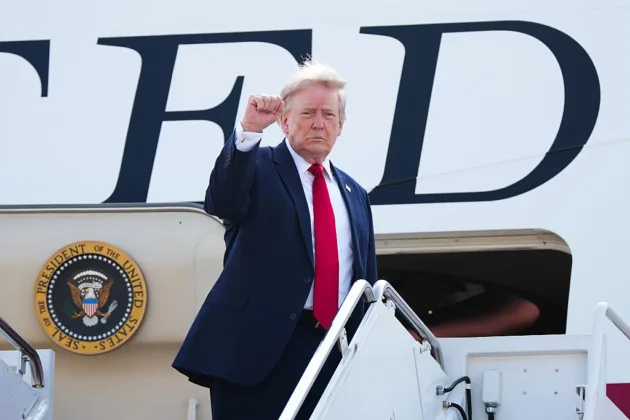
The remarks followed months of strain after US President Donald Trump said in April that he was considering pulling the country out of the alliance. Trump was angered by allies’ refusal to join the American and Israeli war against Iran, launched in February.
At a summit in The Hague in 2025, NATO members agreed to raise defence-related spending to 5 per cent of gross domestic product (GDP) by 2035.
Whitaker praised Poland, the Nordic countries, the Baltic states and Germany as leading the way, though he warned that some members lacked a credible path to meeting the target. He said Trump expected every ally to move towards the goal without delay.
The ambassador also cautioned Europe against protectionist rules in its defence programmes that would shut out American and other non-EU firms. He said such barriers could surface during the Ankara talks.
He held up Turkey, the summit host, as a model, praising its shipyards for building dozens of vessels at once and urging other allies to raise their own defence-industrial output.
Support for Ukraine would also feature heavily at the summit, with allies buying US-made weapons and passing them to Kyiv. Whitaker said the scheme had already delivered systems including Patriot air-defence missiles.
He said US troop levels in Europe had returned to their numbers from before 2022, part of a review of Washington’s global military posture. The ambassador insisted the move did not signal any retreat from NATO.