






The leaders of Europe’s five largest military powers have pledged to strengthen NATO’s European pillar and maintain support for Ukraine, at a Berlin summit held ahead of the alliance’s gathering in Ankara.
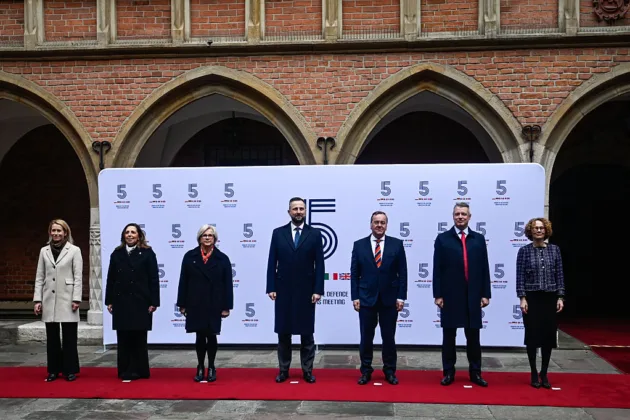
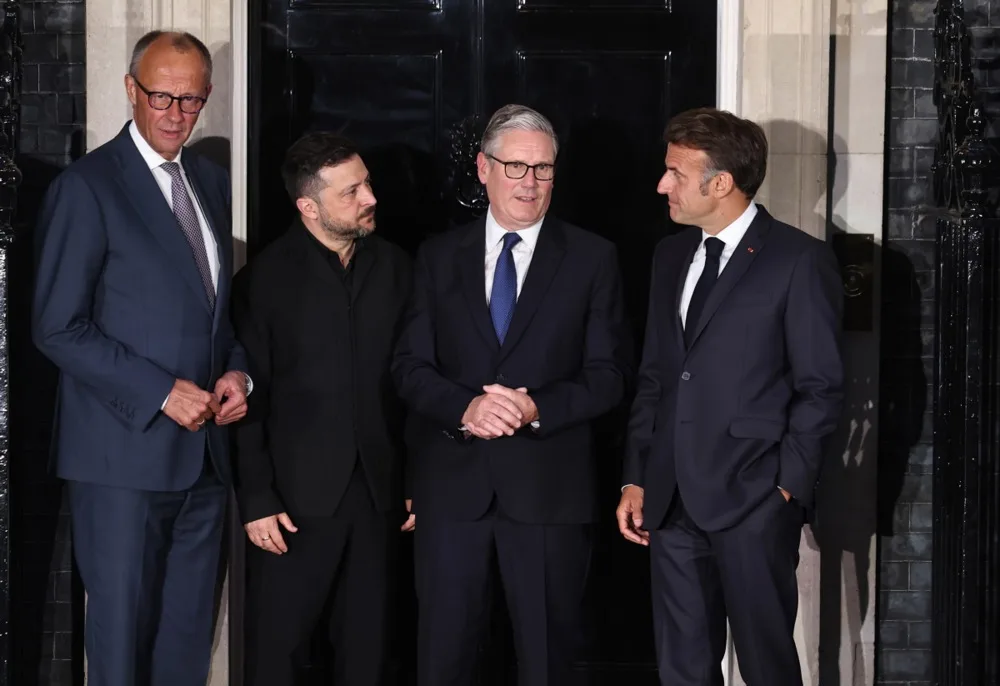
German Chancellor Friedrich Merz hosted French President Emmanuel Macron, British Prime Minister Keir Starmer, Italian Prime Minister Giorgia Meloni and Polish Prime Minister Donald Tusk on June 24 for a meeting of the so-called E5 group.
The format was launched in 2024 at defence-minister level to coordinate support for Ukraine and joint defence projects. Berlin marked its first leaders’ summit.
The talks came ahead of the NATO summit in Ankara on July 7-8, hosted by Turkish President Recep Tayyip Erdoğan, at a moment of strain between European allies and Washington.
US President Donald Trump has criticised European allies for failing to support recent US military action against Iran. US Defence Secretary Pete Hegseth last week announced a six-month review of American force levels on the continent.
Merz said the leaders wanted to “make this important summit a success together”, adding that it served their security in dangerous times. He set out five areas for the Ankara talks, centred on a stronger European role within the alliance.
The chancellor said the E5 powers had agreed to coordinate on long-range weapons, air defence and artificial intelligence, and to gradually take on capabilities long provided by the United States.
Europe “must shoulder its responsibilities in terms of defence and security”, Meloni said, backing a stronger European component of the Atlantic Alliance.
Tusk said the group had met to confirm that its members would “safeguard European unity and transatlantic unity”.
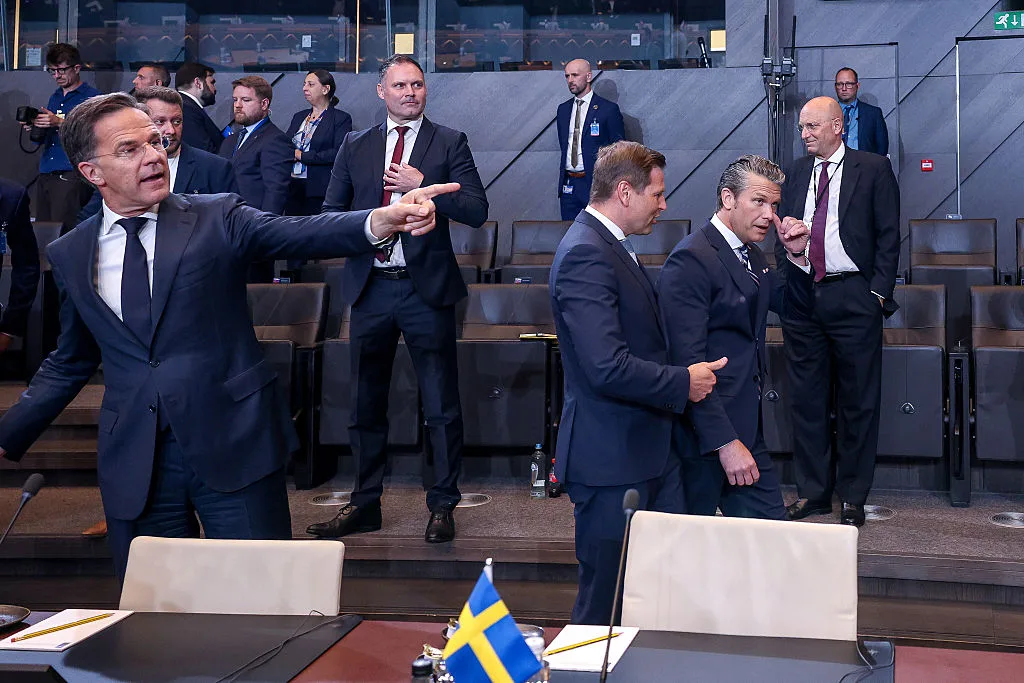
NATO Secretary General Mark Rutte joined the session by video link from Washington, where he was due to meet Trump in an effort to ease tensions before the summit.
The leaders reaffirmed support for Ukraine and welcomed a framework ceasefire between the United States and Iran. Macron and Meloni said the E5 would signal readiness for a possible naval mission to reopen the Strait of Hormuz, though several conditions would first need to be met.
Spain was left out of the gathering. According to El Español, Prime Minister Pedro Sánchez was excluded partly over his refusal to raise defence spending to 5 per cent of national output, a target the other leaders have accepted.
Starmer attended in a caretaker role after resigning this week under pressure from his Labour Party. The commitment of his likely successor to defence pledges and Ukraine’s peace process remained uncertain.