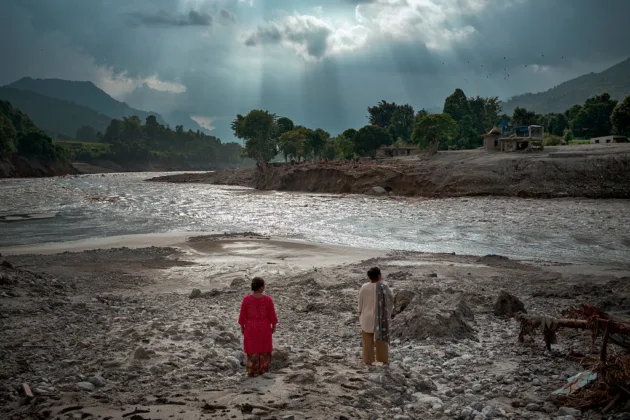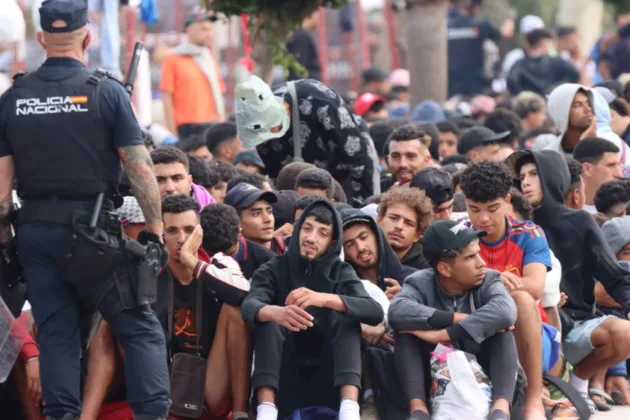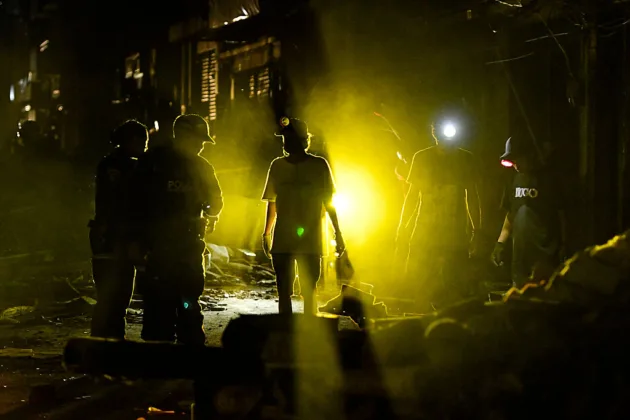



More than 175 people have been killed and over 1,300 left missing on either side of the Nepal-Tibet border after a wall of mud and rock collapsed into a Himalayan river on August 26, with about a hundred Europeans among them.
The Nepal Police said 177 bodies had been recovered by the afternoon of August 27, 69 of them in Chitwan, far downstream. Police spokesman Abi Narayan Kafle said the figure would climb as search teams resumed.
Nepali authorities listed 826 people as missing, close to 500 of them foreigners from 32 countries. Chinese state media reported a further 558 missing, including 260 foreigners, at the Gyirong border crossing in Tibet.
Ukraine’s foreign ministry said Nepal’s tourist police listed 53 Ukrainians as missing, including a group of 46 with whom contact was lost as the flood struck.
The Nepal Tourism Board put the number of missing Britons at 33. The Kathmandu operator Alpine Eco Trek said 12 of them, including a 13-year-old girl, had been on one of its expeditions.
Two Irish nationals travelling with the same firm were also unaccounted for. Irish foreign minister Helen McEntee said her department stood ready to assist citizens through the Embassy of Ireland in India.
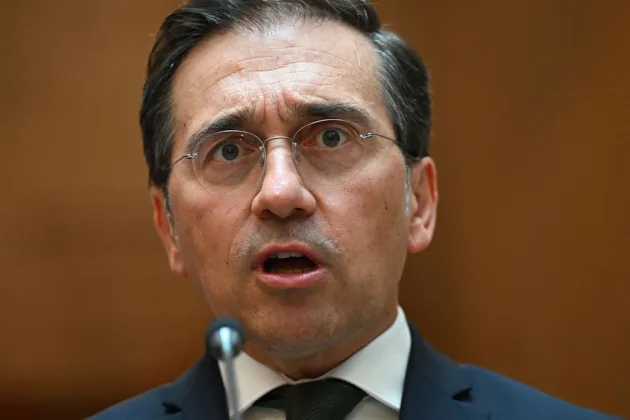
Spanish foreign minister José Manuel Albares said four Spaniards had not been located, though no Spanish deaths had been recorded. Albares, who could not account for 164 Spaniards after the Colombian earthquake on August 10, asked relatives of anyone in the area to call the ministry’s emergency line.
The board also listed citizens of Belgium, Finland, France, Germany, Hungary, Latvia, Lithuania, the Netherlands, Portugal and Sweden as unaccounted for. Italy said two of its nationals and their guide were stranded above a landslide but were being helped.
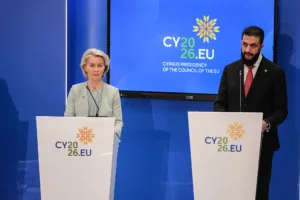
European Commission President Ursula von der Leyen said the European Union’s Copernicus satellite service had been activated to map the affected areas and that the bloc stood ready to send further assistance. The EU delegation in Kathmandu joined the embassies of Australia, Finland, France, Norway, Switzerland and the United Kingdom in a statement saying they were “deeply saddened” by the flooding.
Nepali foreign minister Shishir Khanal first attributed the disaster to an earthquake, but the United States Geological Survey said its initial magnitude 4.4 reading was in fact a magnitude 5.2 glacial collapse. The International Centre for Integrated Mountain Development said an ice and rock avalanche had blocked the Lhende Khola, sending down a surge that raised the Trishuli by nine metres in half an hour.
Chinese state broadcaster CCTV reported that a lake still dammed by debris upstream of Gyirong posed a further risk to rescuers. Prime Minister Balendra Shah said army and private helicopters had joined the search and that troops had delivered food, tents and medicines.