





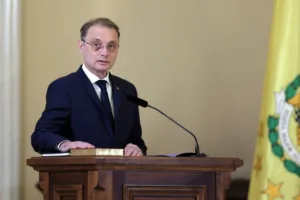

Hungarian Prime Minister Péter Magyar and his Czech counterpart Andrej Babiš have criticised European Commission emergency funding for Spain over the Ceuta migration crisis, comparing it with the penalties Hungary faces over its border policy.
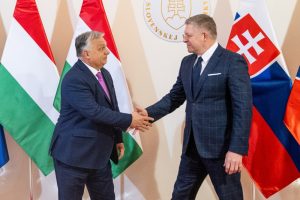
Speaking in Bratislava on September 10 after a meeting of the Visegrád Group, Magyar said it was unfair for Hungary to pay €1 million a day to defend Europe’s common borders while another prime minister received €200 million from the Commission, possibly for failing to do his job. He called it a bad message and thanked Babiš for his solidarity on the issue, according to The Budapest Times.
Babiš went further, claiming Spanish Prime Minister Pedro Sánchez had invited people in to replace Spaniards, apparently to win elections. He questioned why Sánchez should now receive €200 million of EU money for being unable to handle migration, Slovak news site Plénum reported.
The Commission announced on September 9 that it would grant Spain €114.7 million from two EU migration and border funds. The money was to pay for surveillance equipment, screening facilities and the return of people staying in Ceuta illegally, as well as reception capacity for unaccompanied minors.
Brussels had been weighing additional support for Spain since Madrid sent a first needs assessment on August 5. Spain lodged its formal request on August 24.
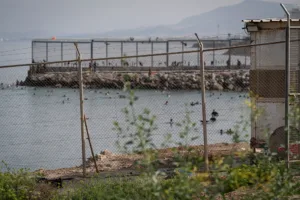
Tens of thousands of people crossed into Ceuta from Morocco on July 30 and 31. Spanish interior minister Fernando Grande-Marlaska put the total at about 72,000, most of whom returned within days.
In June 2024 the Court of Justice of the European Union (CJEU) ordered Hungary to pay a €200 million lump sum plus €1 million for every day it failed to comply with a 2020 ruling on asylum and returns. The penalties were imposed under Viktor Orbán, whose Fidesz party lost power to Magyar’s Tisza in April.
Magyar said the ruling rested on rules that bore no resemblance to European refugee policy today and ruled out any loosening of Hungary’s border regime. He said 19 or 20 member states now shared the Visegrád position that border protection must be supported and hoped for a deal on illegal migration at the European Council summit in October.
Babiš called central Europe the safest region on the continent, arguing that each Visegrád member decided who lived and worked on its territory. He said the group had told other member states in 2016 how to tackle illegal immigration but they had taken a decade to realise it.
Slovak Prime Minister Robert Fico hosted the talks at Bratislava Castle, attended by Polish Prime Minister Donald Tusk and Taoiseach Micheál Martin, whose country holds the rotating presidency of the Council of the European Union.