




Spain votes on November 29 in a contest the polls say the Left is losing. Anyone wondering what a disputed result looks like when the referee is not neutral has a case study two days old and one ocean away.
Brazil’s run-off ran two hours beyond the hour the law set for it, on the order of a Supreme Federal Court judge who had been Luiz Inácio Lula da Silva’s defence lawyer before Lula appointed him to the bench. Thousands of polling stations had already closed and could not reopen.
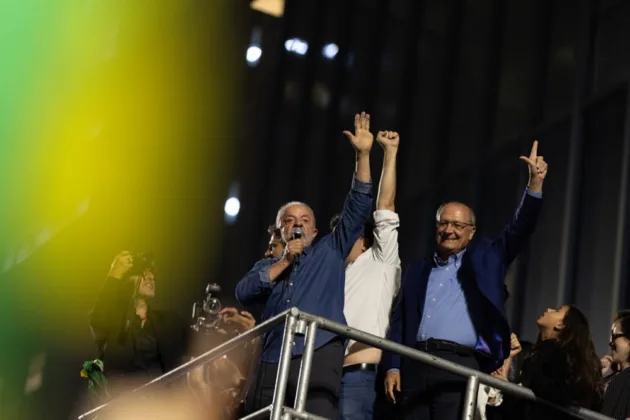
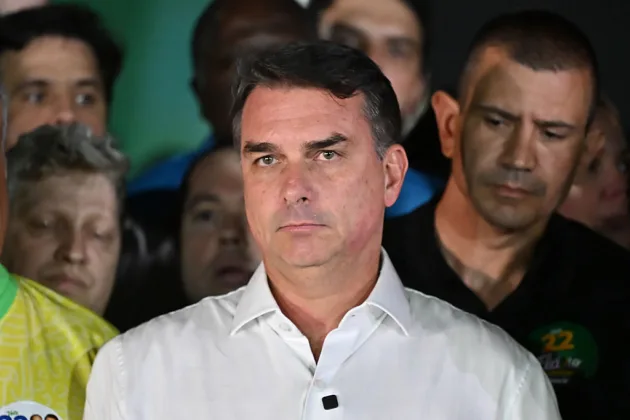
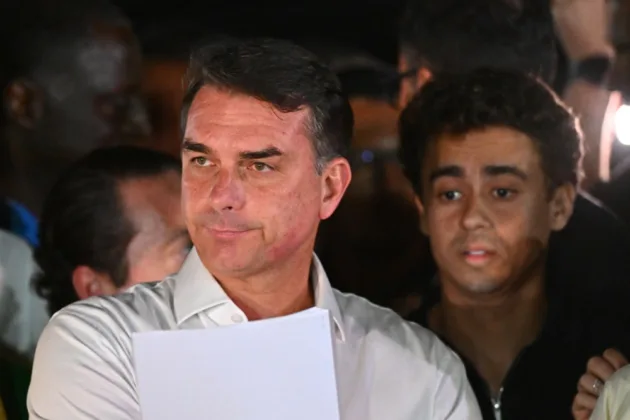
Lula was declared re-elected with 51.8 per cent of the vote to 48.2. Flávio Bolsonaro refused to concede and said he would seek annulment, then abandoned the attempt within a day after advisers warned it would not prosper in either court.
What replaced the challenge was the federal police. Bolsonaro said officers stopped him as he left a prison visit to his father, ordered him to surrender his passports and barred him from leaving the country, on a ruling he says was signed on the night of the count.
He called it “an attempt to intimidate me”. The president of the electoral court, for his part, has accepted that no extension of the kind had occurred in its history, while maintaining that the count itself was untouched.
That is the first half of the warning: A timetable altered mid-vote, a challenge that folded inside 24 hours and a defeated candidate who cannot leave.
The second half arrived from Brussels. European Commission President Ursula von der Leyen declared that democracy had won in Brazil before any of this had played out, and European Council President António Costa telephoned Lula on the night of the count.
Neither waited for an audit neither had the means to conduct. That scrutiny does exist, though, and Romania showed what triggers it.
The Constitutional Court there annulled the first round of a presidential election on December 6, 2024 because of who had come first, Călin Georgescu was barred from the rerun, and Brussels called it a defence of democracy.
Thierry Breton, weeks earlier the Commissioner responsible for the Digital Services Act, told French radio in January 2025: “We did it in Romania.” He suggested Germany might need the same, then later denied the EU had ever annulled an election.
The machinery works, then. It switches on when the wrong side wins, stays off when the right one does, and a contested Spanish result would be left to the same hands.
Sánchez, whose party trails the Partido Popular (PP) by around six points, has answered all this by promising Spaniards a Brazilian outcome. “What has happened in Brazil will also happen in Spain,” he wrote on X on October 26, 2026, telling a rally in Gijón the same day that the Socialists would do what Lula did.
He is entitled to want the comeback. Spaniards are entitled to ask which features of the model come with it, and who would be left to examine a result of their own.