
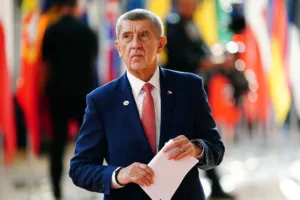




The Czech Chamber of Deputies has overridden a presidential veto to pass a reform making it easier to dismiss civil servants, a measure driven by the government of Prime Minister Andrej Babiš.
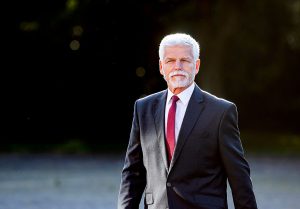
Deputies backed the law on October 14 by 104 votes to 66, with three abstentions. That cleared the absolute majority of 101 needed to overturn a veto by President Petr Pavel, a retired general who won the presidency in 2023 as an independent candidate.
The reform places state officials largely under the same employment rules as other workers, with a handful of exceptions. It also abolishes their entitlement to special severance payments.
Pavel blocked the amendment in September. He said the European Commission recommended better protection for state employees against political interference and that the new law did the opposite.
His office said the text had been pushed through without the usual consultation or expert scrutiny. It also raised constitutional objections to a provision removing some of the president’s powers over the appointment of senior officials.
The clash is the latest over the Babiš government’s handling of independent oversight, after the country’s human rights advisers resigned in June accusing ministers of hollowing out the bodies that monitor it.
Opposition politician and former interior minister Vít Rakušan warned of “fatal consequences” for the running of the state. He accused coalition deputies of dismantling an administration that worked.
Supporters of the reform said the changes would make the public administration more flexible and more efficient. The amended law takes effect in November.
Babiš has governed since December at the head of a coalition pairing his ANO party with Freedom and Direct Democracy (SPD) and the eurosceptic Motorists. The three hold 108 of the 200 seats in the lower house.
The opposition has said it would challenge the law before the Constitutional Court, which would be the second attempt to block it after the Senate’s veto was overridden in September.
The Czech civil service act was adopted in 2014 under pressure from the European Commission, which made a professional and politically insulated state administration a condition for the member state drawing European structural funds. Brussels approved the final text only after more than a year of negotiation with the government of the day.
The Commission has not said publicly whether it regards the new amendment as consistent with that commitment. Babiš, who returned to office after ANO won the October 2025 election, has promised a leaner state and has clashed with Brussels over the Green Deal and aid to Ukraine.