








The European Union has begun lobbying Canada and the United Kingdom to increase their funding for Ukraine, as Kyiv heads towards a shortfall of around €70 billion in 2027.
Five EU and European Commission officials and diplomats confirmed the push would come at an EU-Canada summit on October 29-30 and a meeting with British leaders on November 20. Ambassadors from the 27 member states were due to discuss preparations and Ukraine’s financing on October 22.
EU leaders agreed in December 2025 to lend Ukraine €90 billion for 2026 and 2027, raised through joint borrowing on the capital markets and backed by the EU budget. It was agreed only after a plan to tap €210 billion in immobilised Russian central bank assets collapsed, with Hungary, Slovakia and the Czech Republic staying out.
The loan was only ever designed to meet about two-thirds of needs the International Monetary Fund has put at some €137 billion over the two years, with Canada, Japan, South Korea, Australia and Norway expected to supply a further €45 billion.
That money has not arrived in the amounts Brussels wanted. European Commission President Ursula von der Leyen said on October 16 that the bloc and its member states were providing 80 per cent of the external assistance reaching Ukraine and called on other partners to do more.
The United Kingdom has committed £25 billion (€29.5 billion) since February 2022 and Ottawa says it continues to stand by Ukraine and to work with international partners on its needs. Officials believe Japan, which puts its own contribution at more than $20 billion (€17.2 billion), is lagging this year, while Australia has not been formally asked for 2027.
Defence and trade are also on the table, with Canada set to join SAFE, the EU’s joint procurement scheme, and von der Leyen having proposed in September that it become the bloc’s first “associated member”.
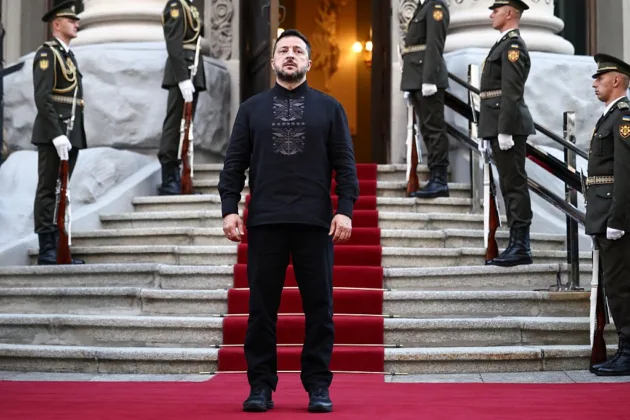
The outreach follows a European Council at which leaders backed Ukrainian President Volodymyr Zelensky over the US sanctions waiver on Russian diesel but offered no new money, with the frozen assets kept off the agenda.
Brussels is asking others for cash while struggling to agree its own. Leaders remain split over a 2028-2034 budget worth almost €2 trillion, with European Council President António Costa taking personal charge of the negotiations before a special summit in November.
The existing loan carries its own bill for EU taxpayers, with the Commission estimating debt-servicing costs at around €1 billion in 2027 and some €3 billion a year from 2028. The EU and its member states put their total support since the invasion began at more than €231 billion, a figure one senior EU diplomat described as already “over and above”.