




Italy and Spain have agreed to lift the temporary border controls they introduced on travellers from each other’s territory, ending a three-month dispute that followed a large-scale migrant rush into Ceuta, the Spanish enclave on Morocco’s northern coast.
Italy’s interior ministry said on October 22 that the two countries’ interior ministers had spoken by telephone and decided not to extend their suspensions of the European Union’s open-border Schengen arrangements.
“The decision, reached after a careful assessment of the situation, will be accompanied by enhanced information-sharing measures to ensure the full security of the common Schengen area,” the ministry said.
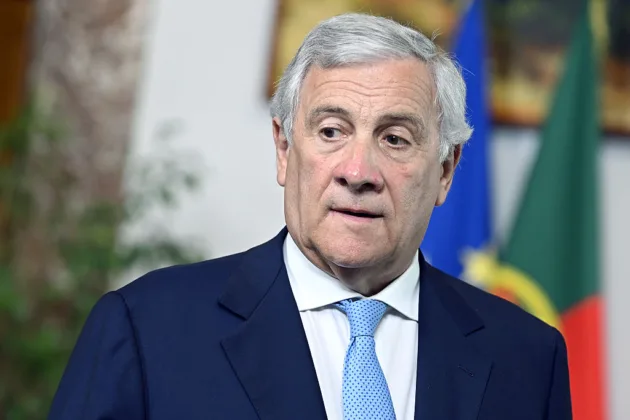
The call brought together Italian interior minister Matteo Piantedosi and his Spanish counterpart Fernando Grande-Marlaska.
Italy’s right-wing government first suspended free-movement arrangements with Spain on July 31, with the checks taking effect the following day.
Prime Minister Giorgia Meloni’s administration cited the need to prevent migrants who had entered Ceuta from travelling onward to Italian territory after the mass intrusion.
The measures applied to air and sea arrivals and were described as targeted checks on non-EU nationals.
They were introduced under the Schengen Borders Code, which allows member states to restore internal checks temporarily and obliges them to notify the European Commission.
Spain responded in early August with reciprocal controls on travellers from Italy, describing the Italian steps as “unjust, contrary to European Union interests, and discriminatory to the population of Spain”.
Madrid moved after Rome declined to withdraw its measures by August 9, ordering random police checks on arrivals from Italy at Spanish airports and ports.
The dispute began after tens of thousands of people crossed from Morocco into Ceuta over roughly 24 hours from July 30.
Estimates of the numbers involved have varied widely. Spain’s interior ministry initially put the total at about 50,000, Prime Minister Pedro Sánchez later told the Congress of Deputies that 70,000 had entered and the Ceuta city government spoke of 80,000.
At least 83 bodies had been recovered by August 9, according to the Ceuta authorities.
Spanish authorities said the large majority returned to Morocco within a short period, though some, including unaccompanied minors, remained in the enclave.
Grande-Marlaska said on August 4 that 70,000 of 72,000 arrivals had already gone back.
By September 22 the government had identified 2,321 unaccompanied minors in the enclave and counted some 7,000 further voluntary returns and expulsions since August 10.
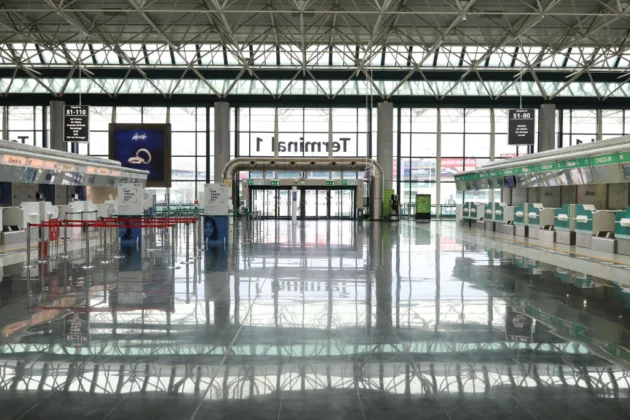
Italy and Spain do not share a land border, so the controls affected only air and maritime routes.
The controls were extended several times over the following months. Italy’s last extension, agreed on October 16, ran for seven days, while Spain’s expired on October 22.
Earlier reports indicated that Sánchez and Meloni had discussed ending the measures on the sidelines of the European Council summit held in Brussels on October 15-16, with their interior ministers later finalising the arrangements.
The lifting restores normal Schengen free-movement rules between the two countries while the parties have agreed to strengthen information exchange on security matters.
Italy has extended its suspension of Schengen free movement with Spain by a further 15 days, keeping identity checks on air and sea arrivals in place a month after the mass crossing into the north African enclave of Ceuta. https://t.co/0BAqASdKSw
— Brussels Signal (@brusselssignal) August 31, 2026