



Italy has extended its suspension of Schengen free movement with Spain by a further 15 days, keeping identity checks on air and sea arrivals in place two months after the invasion of Ceuta.
Italian interior minister Matteo Piantedosi ordered the extension on September 30 after consulting the Committee for the Analysis of Immigration and Border Security, which met that morning.
The Italian interior ministry pointed to the current situation in the Spanish city and, in particular, to the persistence of difficulties already identified. It said the European Commission and the interior ministers of the other member states had been notified.
It is the third extension of a measure that took effect on August 1, after tens of thousands of people crossed from Morocco into Ceuta on July 30 and 31. Spain’s interior ministry put the number of irregular entries at some 72,000, most of whom returned to Morocco within days.
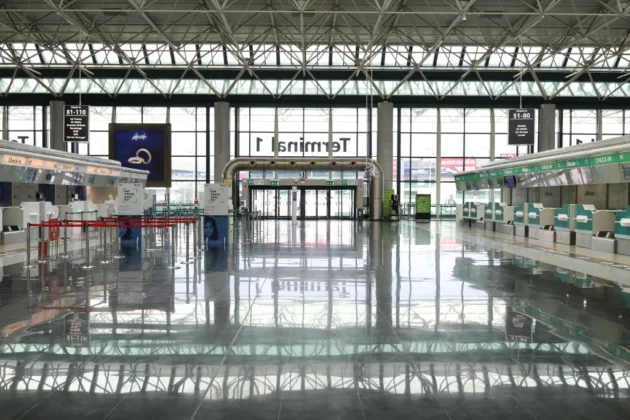
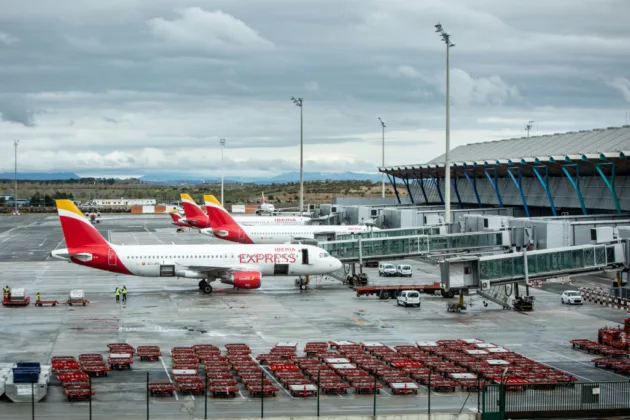
Because the two countries share no land border, the checks fall on passengers arriving by ferry and by air, with documents inspected on a random basis at ports and airports. Italy screens only non-EU nationals, as it did when it extended the measure for a second time on August 31.
Rome said after the first month that more than 180,000 travellers from Spain had been checked. Entry was refused to 31 people, among them eight Moroccans, and six others were detained.
The Spanish Government answered the previous extension by prolonging until October 8 the controls it turned on Italy rather than on Morocco on August 8. The Spanish measure covers every arrival from Italy and not only third-country nationals.
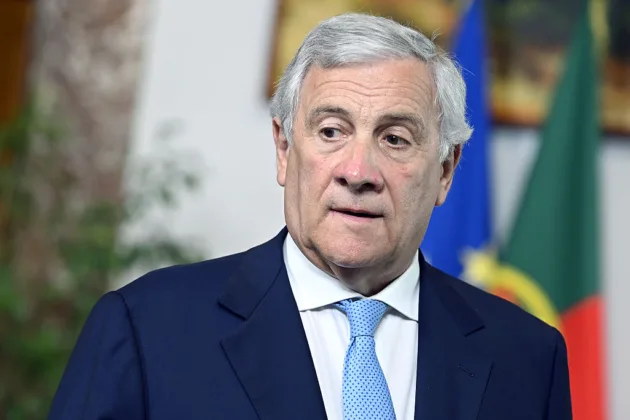
Spanish foreign minister José Manuel Albares called the September 15 extension a disgrace and an absurd measure. His Italian counterpart Antonio Tajani described Madrid’s mirror-image response as needlessly aggressive.
The Schengen Borders Code allows a member state to reintroduce internal border controls temporarily where there is a serious threat to public policy or internal security, subject to notification and to a test of necessity and proportionality.
Two months and three extensions later, the Commission has delivered no assessment of either regime. Home affairs commissioner Magnus Brunner said at the outset that nobody who entered Ceuta had reached mainland EU territory, a point Madrid has repeated since.
In June the Commission urged nine member states running internal controls, Italy among them, to wind the measures down. Italy also maintains checks at its border with Slovenia, imposed on separate grounds.
Ceuta lies outside the Schengen area under a special regime and travellers leaving the city for the Spanish mainland already face document checks.