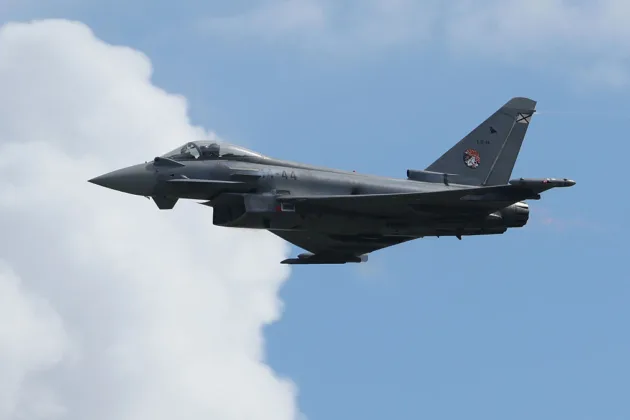




The United Kingdom has announced the deployment of Royal Air Force fighter jets to Saudi Arabia to bolster regional air defences and counter ongoing missile and drone attacks launched by Yemen’s Houthi militia.
The deployment of RAF Typhoon aircraft to the Gulf kingdom aims to enhance joint surveillance, intelligence sharing and rapid-interception capabilities over Saudi cities and critical national infrastructure.
Confirmation of the mission came in an operational update published by the Ministry of Defence on October 20, which said the package also includes an A400M Atlas transport aircraft, extended air-to-air refuelling support and British military advisers attached to Saudi staff officers. The ministry did not say how many Typhoons were involved.
Defence secretary Wes Streeting described the Houthi campaign against Saudi Arabia as “absolutely despicable and dangerous for the region”, and called the bombing of civilian airports an intolerable escalation.
The ministry said the aircraft would fly defensive counter-air missions over Saudi territory and would not carry out offensive strikes against the Houthis.
The move follows sustained Houthi strikes targeting Saudi cities, airports and oil infrastructure, as well as international commercial shipping lanes and maritime infrastructure, which have severely disrupted maritime traffic and forced major cargo carriers to divert voyages around the Cape of Good Hope.
The militia declared a naval blockade of Saudi Arabia on July 20, presenting it as retaliation for a Saudi-imposed siege it said had lasted almost 12 years. Attacks on Saudi-linked tankers followed within days.
On October 10 a missile struck King Khalid International Airport near Riyadh, killing at least 12 people and wounding more than 300, according to Saudi Arabia’s General Authority of Civil Aviation. The capital was targeted again on each of the two following days, and Saudi Aramco’s headquarters in Dhahran and a refinery in the capital have also been struck.
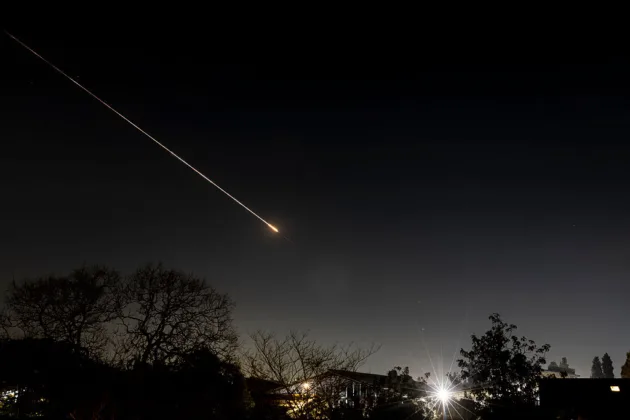
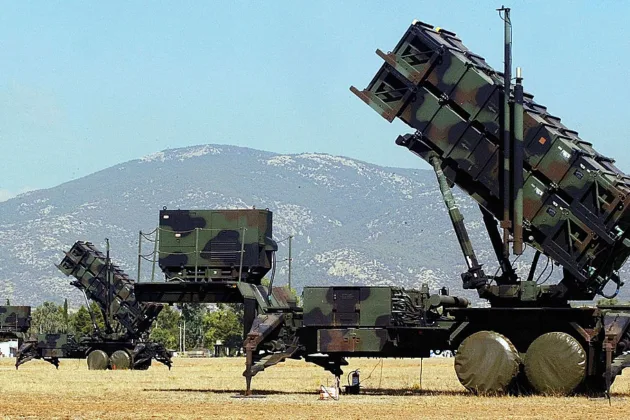
Under the operational agreement with Riyadh, the British jets will support Saudi air defence networks in detecting and neutralising unmanned aerial vehicles (UAVs) and ballistic missiles launched from Houthi-controlled regions in western Yemen.
The deployment to Saudi bases provides the RAF with a closer operational staging ground, cutting flight transit times from its existing Gulf presence and expanding air patrol coverage over the southern Arabian peninsula.
Officials stressed that the deployment is defensive in scope, intended to reinforce the protection of key regional airspace, safeguard critical energy installations and restore stability along vital international trade arteries.
The deployment marks a deepening of bilateral defence cooperation between London and Riyadh, even as Western governments face scrutiny over the long-running conflict in Yemen.
It also sets British action against a slower European response. Operation Aspides, the EU naval mission launched in February 2024 to protect merchant shipping in the Red Sea, has struggled to find hulls. Italy and Greece supply its three core ships, while Germany, France, Spain, the Netherlands and Belgium rotate vessels in and out.
EU foreign policy chief Kaja Kallas wrote to European capitals on September 19 asking for more naval and air assets for the Bab el-Mandeb Strait, saying the mission needed at least 10 ships. Two have since been offered, one of them a Belgian frigate that is not expected on station until next year.
While Saudi Arabia had pursued fragile, direct negotiations with the Houthis to secure a permanent ceasefire along its southern border, that track has given way to open confrontation. The Saudi-led coalition called the Riyadh airport attack a “full-fledged war crime” and said it would respond decisively.
The UK Ministry of Defence underlined that freedom of navigation in the region remains essential to global supply chains, noting that persistent threats to merchant vessels continue to push up international freight costs, shipping insurance rates and consumer prices across Europe.