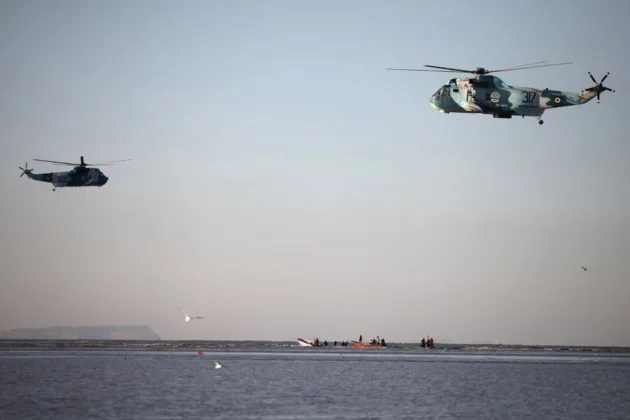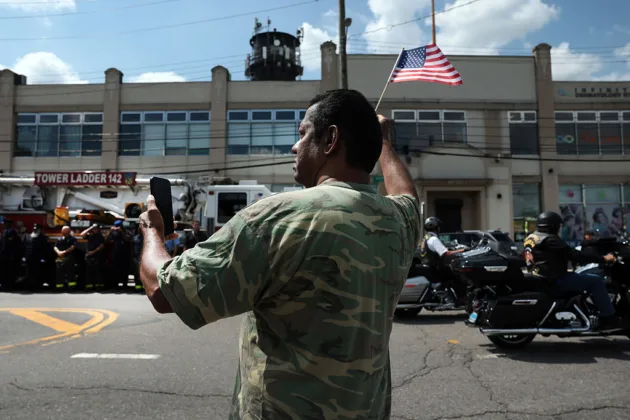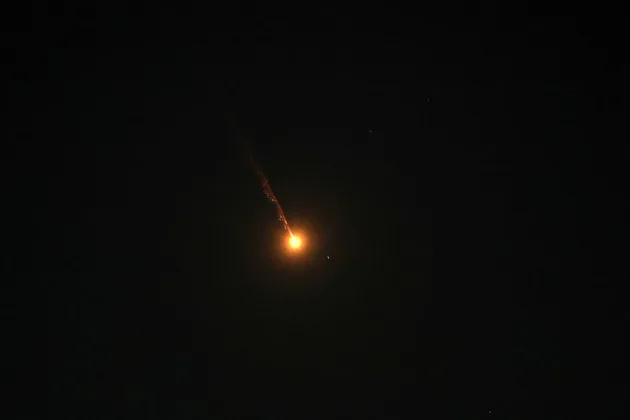




Iran has fired a volley of ballistic missiles at United States forces in Jordan, ending a four-day pause in the Middle East war and sending oil prices sharply higher.
US Central Command (CENTCOM) said Islamic Revolutionary Guard Corps units launched the missiles at 5.45pm eastern time on July 28, or 11.45pm in Brussels. It called the launch an “attempted surprise attack” and said all the missiles had been intercepted.
CENTCOM did not identify the target. The Revolutionary Guard said its aerospace force had struck the Muwaffaq Salti air base and the American command’s headquarters in Jordan, according to a statement carried by state news agency IRNA.
The Jordanian military said its air defences had intercepted and destroyed five missiles launched from Iran early on July 29. Debris fell on Jordanian territory but caused no injuries or damage, it said.
CNN reported that four missiles were fired. A US official described the barrage to The Jerusalem Post as a major attack.
Washington retaliated within hours. CENTCOM said US and Saudi fighter aircraft had struck logistics and weapons sites across eastern Iraq in response to more than 30 drone attacks in three days by Iran-aligned militias.
Saudi Arabia’s defence ministry said the raids had been coordinated with CENTCOM and that the kingdom did not seek escalation. Iraq’s Popular Mobilisation Forces said several of its sites had been hit, with personnel killed and others wounded.
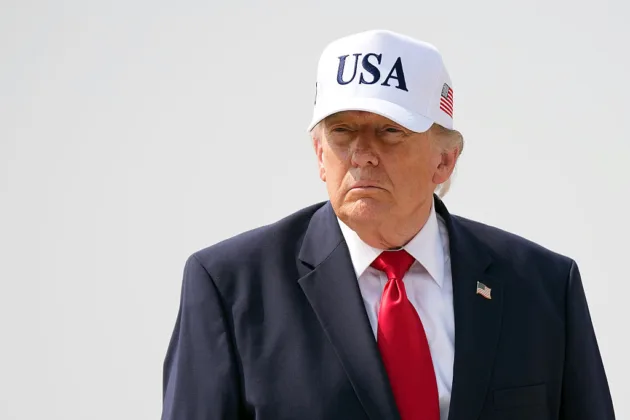
The exchange has come hours after US President Donald Trump hosted Israeli Prime Minister Benjamin Netanyahu at the White House. Trump had suspended strikes on Iran on July 24 to make room for negotiations, though he warned at the time that the pause was conditional.
Energy markets moved at once. Brent crude rose more than 4 per cent towards $88 (€81) a barrel, snapping a three-day decline that had followed the announcement of the pause.
European exposure remains acute. The EU has estimated that the closure of the Strait of Hormuz added some €13 billion to the bloc’s fossil fuel import bill, with gas prices rising about 70 per cent and oil about 50 per cent at the height of the crisis.
The waterway reopened to commercial shipping under a memorandum of understanding signed by Trump and Iranian President Masoud Pezeshkian on June 17. That text opened a 60-day window for a final settlement, which expires in mid-August.
Those talks have stalled. Tehran has rejected an Omani proposal for shared control of the strait, insisting it keep authority over the inbound shipping lane.
Kuwait and Qatar condemned the strikes on Jordanian territory. The EU still has its Operation Aspides naval mission in the region, tasked with protecting vessels and monitoring the waters around Hormuz.