









The European Commission has abandoned its five-year effort to add so-called hate speech and hate crime to the list of offences classed as EU crimes. Free speech campaigners have welcomed the move, though they warned a narrower replacement was already in the pipeline.
The withdrawal was listed in an annex to the Commission’s 2027 work programme, adopted on November 4, among pending proposals the EU executive intends to drop within six months. Others on the list included the Green Claims Directive and the European Deposit Insurance Scheme.
The Commission said work on the file in the Council of the European Union had been discontinued. In its place, it said it was considering a directive on combating online incitement to violence and hatred.
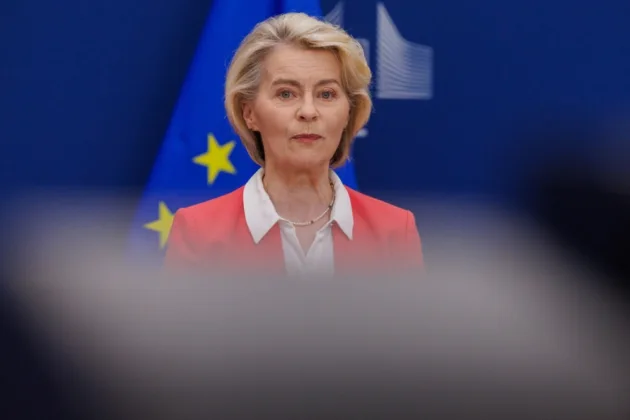
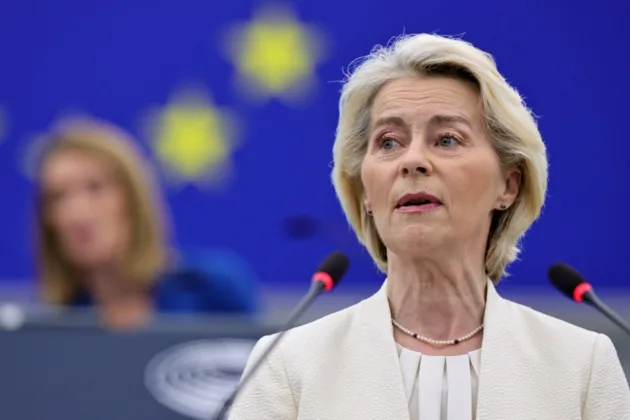
Commission President Ursula von der Leyen first floated the idea in her 2020 State of the Union address and the formal initiative was tabled on December 9, 2021. It would have put hate speech alongside terrorism, human trafficking, drug trafficking and money laundering among the areas in which the EU can set common criminal definitions and penalties.
Extending that list under Article 83(1) of the Treaty on the Functioning of the European Union requires the unanimous backing of member states and the consent of the European Parliament. Although MEPs urged the Council to act in a resolution on January 18, 2024, the proposal never won over every national capital.
The planned directive would follow a different route. Minimum rules within crime areas already on the list, such as computer crime, can be adopted by qualified majority in the Council.
Free speech scholars Jacob Mchangama and Natalie Alkiviadou flagged that shift in a paper for the Journal of Free Speech Law. They argued that “where unanimity failed, pursuing similar objectives through digital or computer-crime competences warrants scrutiny”.
Vienna-based Alliance Defending Freedom International (ADF International) welcomed the withdrawal. Its director for Europe, Adina Portaru, said criminalising hate speech at EU level would have extended a pattern already seen nationally, where such laws had been used to prosecute and censor peaceful expression.
She said member states were “rightly pushing back against the clear censorial trend sweeping across Europe”. Portaru added that the Digital Services Act and other proposed EU legislation continued to threaten free speech, and urged vigilance against initiatives that used safety and inclusion as pretexts to control narratives.
EU law already obliges member states to criminalise public incitement to violence or hatred based on race, colour, religion, descent or national or ethnic origin under a 2008 framework decision. ADF International has argued that, with incitement to violence already a crime, the new directive risked becoming another tool to silence disfavoured views.