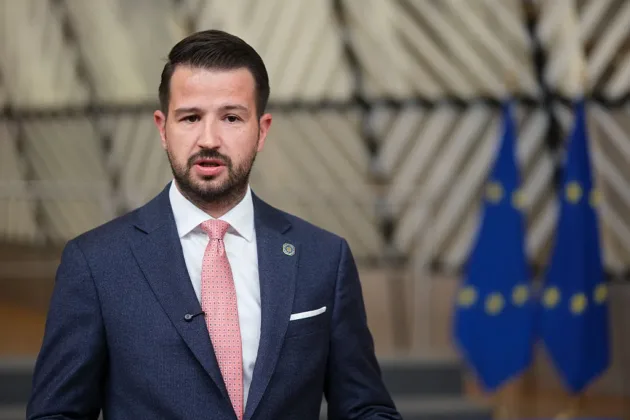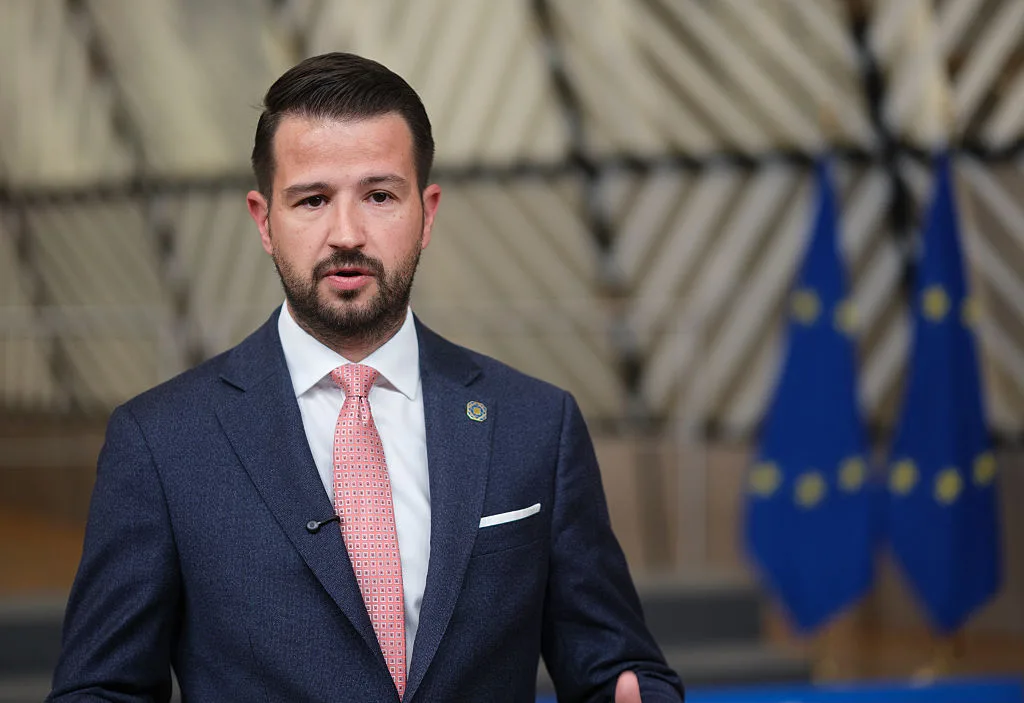


The European Commission has presented a draft financial package for Montenegro’s accession, insisting the bill for existing member states would amount to little more than the price of a coffee per citizen.
The seven-year package, reported to be worth around €3.2 billion, is built on the assumption that the small Balkan country joins the European Union in 2028.
Commissioner for Enlargement Marta Kos had earlier said the proposal would give “very concrete insights” into the budgetary impact of enlargement, not only for Montenegro but for every candidate country.
The “coffee” framing echoes analysis by the European Policy Centre in Belgrade, which found the fiscal cost of admitting the Western Balkans would, on average, be comparable to a single cup of coffee for each EU citizen.
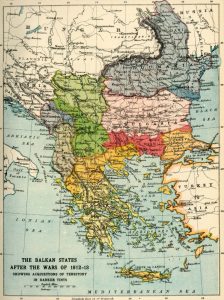
Montenegro, with a population of about 620,000, is the frontrunner in the bloc’s enlargement push. It has provisionally closed 16 of the 33 negotiating chapters and aims to finish the remaining talks by the end of the year.
Although accession negotiations opened in 2012, the drive regained pace after Russia’s full-scale invasion of Ukraine in 2022, which Brussels treated as a reason to push enlargement as a strategic priority.
The Commission has cast the spending as modest and manageable, part of a wider effort to present membership for the Western Balkans as broadly cost-free for current taxpayers.
The headline figure applies only to one of Europe’s smallest economies, though, and not to enlargement as a whole.
A separate study by the Brussels-based think tank Bruegel estimated that admitting all nine current candidate countries under unchanged budget rules would cost member states €170 billion over seven years, equivalent to 0.17 per cent of EU output.
By far the largest share of that bill would fall not to the Western Balkans but to Ukraine, whose population and farming sector dwarf the rest of the candidates combined.