






Retailers, restaurant chains and packaging producers have warned that the European Union’s new packaging regulation would push up prices for consumers across the bloc.
The Packaging and Packaging Waste Regulation began to apply on August 12, replacing national laws built on a directive dating from 1994. It applies directly in all 27 member states, with no national transposition.
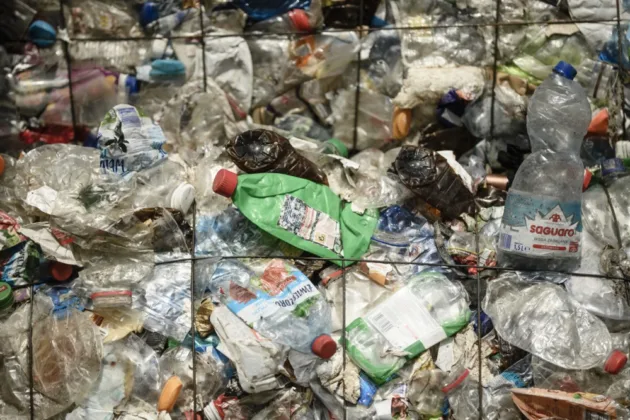
Trade bodies in retail and hospitality said the investment needed in new materials, recycling, separate collection and reuse systems would be passed on to customers at least in part. Recycled food-grade plastic, which the regulation requires in growing quantities, remains dearer than virgin material and in short supply in Europe.
Jessika Roswall, Commissioner for Environment, Water Resilience and a Competitive Circular Economy, called the regulation “an investment in Europe’s future” and said harmonised rules would cut compliance costs in the medium term.
The sharpest complaints concern paperwork rather than plastic. Article 44 obliges a producer to register in every member state where its packaging is first made available, and Article 45 requires those not established in a country to appoint an authorised representative there by written mandate.
There is no single European licence and no equivalent of the value added tax one-stop shop. A seller shipping parcels to France, Germany and Italy needs three registrations and three mandates.
Those costs are fixed per market and do not fall with volume, which places the heaviest relative burden on the smallest traders. Independent online retailers began announcing in the days before August 12 that they would stop shipping to other EU countries, according to trade press monitoring retailer forums.
The German retail association Händlerbund said the regulation was piling on obligations instead of removing them.
Brussels had offered a way out and then withdrew it. The European Commission proposed in December 2025 to suspend the representative requirement until 2035 for producers established in the Union, though the Council of the European Union discontinued negotiations on June 24, citing reservations from a large majority of member states.
Online marketplaces must now collect a seller’s national registration number before listing its goods, turning compliance into a condition of market access.
Consumers gain the right to bring their own containers for takeaway food and drink in February 2027. Harmonised sorting labels follow in 2028, a deadline the Commission has already missed, with recycled content quotas and reuse targets arriving in 2030.