






Austrian authorities have dismantled an international procurement network that channelled specialised industrial goods to Russia’s arms industry in circumvention of European Union sanctions.
The Directorate of State Protection and Intelligence (DSN) identified a Vienna-based company at the centre of the scheme.
The firm was established specifically to acquire sanctioned dual-use equipment, including computer numerical control (CNC) machines and specialised metalworking tools, for delivery to Russian military end-users linked to the State-owned conglomerate Rostec.
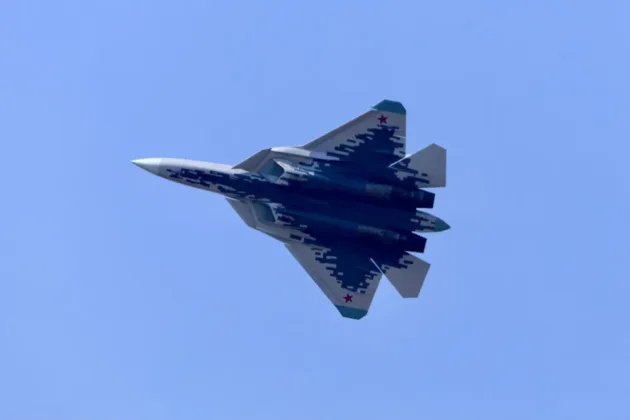
Investigators found the goods were intended for the production of engines for cruise missiles and combat aircraft, among other military equipment.
To disguise the true destination, the network used shell companies and intermediaries in Turkey, the United Arab Emirates, Hong Kong, Belarus, Kyrgyzstan, South Korea, Poland and Lithuania.
Forged end-user certificates were presented to European manufacturers, falsely stating that the goods would remain in third countries.
According to the Interior Ministry, industrial goods for Russian military customers had been procured since 2019, three years before the full-scale invasion of Ukraine.
After sanctions were tightened, supply chains were rerouted primarily through Hong Kong and Turkey.
Deliveries worth more than €3.3 million to Russian defence firms have been documented since 2022, of which more than €700,000 in turnover was generated in Austria.
On August 20, 2025, four locations were searched simultaneously under orders from the Vienna public prosecutor’s office, with support from the WEGA special police unit and Vienna’s state protection and counter-extremism office.
Around 40 data carriers were seized.
On May 13, 2026, the 28-year-old Belarusian managing director and co-owner of the company was arrested. Sanctioned CNC machines and tools valued at approximately €140,000 were confiscated.
He was convicted at the Vienna regional court on August 12, 2026 and sentenced to 21 months in prison under Austria’s Foreign Trade Act, 19 months of which were suspended.
Having been held since his arrest, he was released after the hearing, the Austrian Press Agency reported.
His 24-year-old cousin, who kept the company’s accounts and was also a shareholder, received a 15-month suspended sentence.
Both pleaded guilty and neither the defence nor the prosecution appealed, making the verdicts final. Breaches of the sanctions regime carry terms of between six months and five years.
The prosecution accepted that the 28-year-old had not played a leading role in the scheme.
He told the court he had acted on the instructions of his father and uncle, who worked for a Russian company that was not identified, Reuters reported.
Austrian state secretary for the interior Jörg Leichtfried said the systematic circumvention of sanctions through front companies and forged documents posed a serious threat to the democratic rule of law.
He added: “That high-precision European technology finds its way by roundabout routes into the production of cruise missiles and air-defence systems is unacceptable.”
DSN director Sylvia Mayer said the case illustrated the organisational effort invested in evading export restrictions and underlined the need for continued national and international cooperation to disrupt such networks.
Rostec has been subject to EU transaction restrictions since March 2022 under Regulation 833/2014, the bloc’s main instrument for sectoral sanctions on Russia.
Enforcement, though, rests with member states, which set their own penalties for breaches under national law.
The Council of the European Union has returned repeatedly to the machine-tool trade.
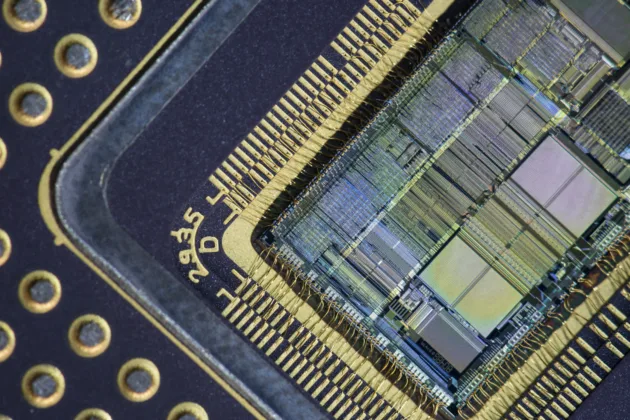
Its 19th sanctions package, adopted on October 23, 2025, listed 45 entities accused of enabling circumvention of export controls on CNC machine tools, microelectronics and unmanned aerial vehicles, 17 of them outside Russia, including 12 in China and Hong Kong.
In the 20th package, adopted on April 23, 2026, the bloc activated its anti-circumvention tool for the first time, banning exports of metalworking machining centres and telecommunications equipment to Kyrgyzstan, one of the countries used by the Vienna network.
New EU sanctions💰️ target the companies producing Russia's attack drones amid escalating strikes on Ukraine🇺🇦 💥 https://t.co/J1F3kjir50
— Brussels Signal (@brusselssignal) July 2, 2026