




Britain’s Court of Appeal has upheld the British Government’s decision to ban the protest group Palestine Action as a terrorist organisation, overturning a lower court ruling that had quashed the proscription.
Five judges found on June 15 that the ban, imposed last year under the Terrorism Act 2000, was a “justified and proportionate” interference with freedom of expression. The decision reversed a February judgment by the High Court.
The High Court had ruled the proscription disproportionate, finding that only a handful of the group’s hundreds of activities met the legal definition of terrorism. The ban stayed in force throughout the appeal.
Lady Chief Justice Baroness Carr said comparisons drawn between Palestine Action and the suffragettes were “seriously flawed”. She described the group as a covert movement operating through secret cells to evade detection and prosecution.
The judgment cleared the way for more than 700 criminal cases that had been paused pending the appeal. Most defendants are charged under section 13 of the act for displaying support for the group and face a review hearing on June 30.
The ban, which began on July 5 last year, makes membership of or support for the group punishable by up to 14 years in prison. It was imposed by Yvette Cooper, then home secretary and now Foreign Secretary.
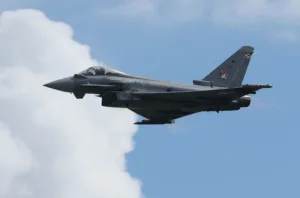
Cooper acted after activists broke into the Royal Air Force base at Brize Norton in Oxfordshire, southern England, and sprayed two military aircraft with paint. The group said the planes were linked to Israel’s war in Gaza.
Home Secretary Shabana Mahmood said the court had found Palestine Action “carried out acts of terrorism” and promoted violence. She said lawful protest for the Palestinian cause remained a democratic right, drawing a line between backing Palestine and backing a proscribed group.
Huda Ammori, the group’s co-founder, said she would take the case to the United Kingdom Supreme Court and, if needed, the European Court of Human Rights. She called the outcome “a terrifying time for our civil liberties”.
Amnesty International criticised the ruling, warning that treating property damage as terrorism set a dangerous precedent for protesters. The penalty was “completely disproportionate”, it said.
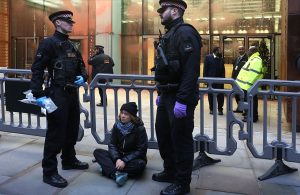
The Metropolitan Police said 58 people were arrested outside the Royal Courts of Justice as the judgment was read, with several demonstrators carried away by officers. The Jewish charity Community Security Trust welcomed the decision, saying the law had drawn a clear line against threats to national security.