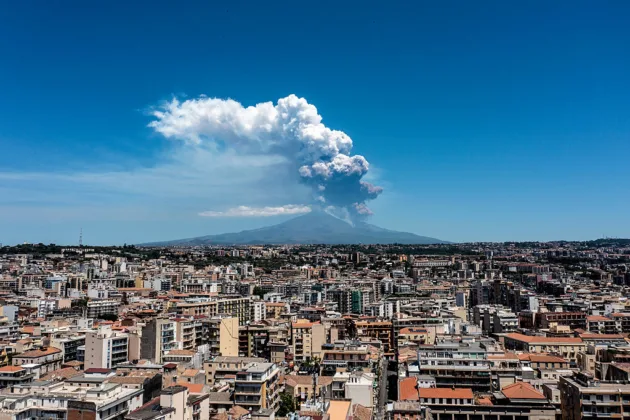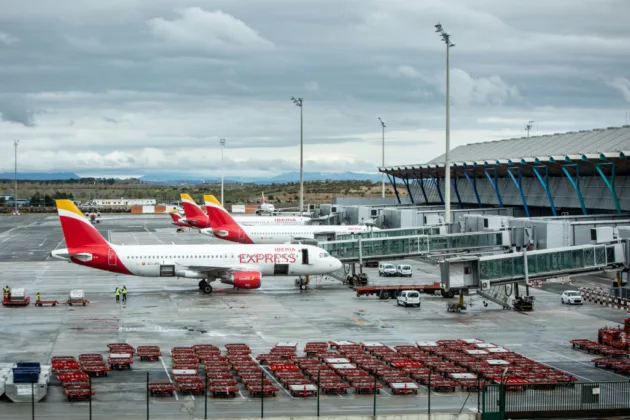






Ash from Mount Etna has forced the closure of Catania-Fontanarossa airport in Sicily until the early hours of August 15, in what its operator has described as the most severe disruption the site has faced in 20 years.
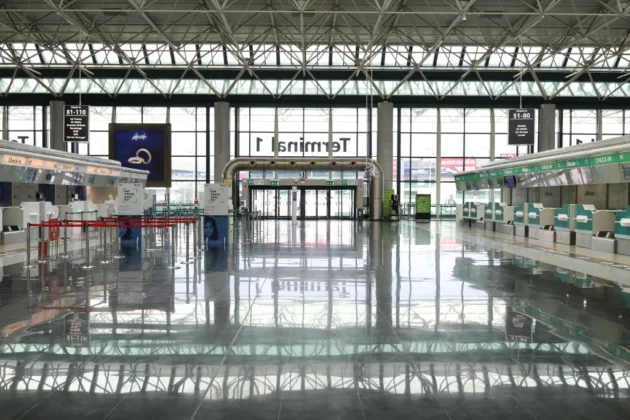
Società Aeroporto Catania (SAC) said arrivals and departures would remain suspended until 2am and advised travellers not to go to the terminal without first checking their flight status with their airline.
The company said about 1,974 flights had been scheduled at Catania between August 6 and 12, of which roughly 36 per cent were cancelled. A further 630 were diverted to other airports.
SAC said the figures confirmed the exceptional scale of the emergency, the worst in two decades in terms of the impact on airport infrastructure.
Catania is Italy’s fifth-busiest airport by passenger traffic and handles at least 40,000 travellers a day at this point in the summer. The operator said Comiso, Palermo and Trapani had absorbed a significant share of the diverted traffic, with some services shifted to Lamezia Terme on the mainland.
Trade association Assoesercenti has put the preliminary cost to tourism at between €12 million and €24 million.
Ryanair, the dominant carrier at Catania, warned passengers to expect delays, cancellations and diversions, while easyJet cancelled its only return service from London Gatwick on August 13. Wizz Air said it had been trying to reroute aircraft.
Italy’s National Institute of Geophysics and Volcanology said the eruption was continuing from vents at about 2,750 and 2,360 metres, feeding extensive lava flows. The aviation colour code for the volcano has remained at red, the highest level.
The shutdown has revived a long-running argument over where the airport was built. Civil Protection Minister Nello Musumeci told the news agency ANSA: “It is not the volcano that is in the wrong place but the airport.”
Musumeci said he had flagged the site’s vulnerability in 1999, when he was president of the province of Catania, and had proposed moving it.
Stranded passengers are unlikely to see compensation. Under the EU air passenger rights rules approved by the European Parliament in July, natural disasters count as extraordinary circumstances that exempt airlines from paying out, though carriers still owe travellers meals, accommodation and rerouting.
Consumer group Codacons has reported sharp rises in car hire prices between Catania and Comiso and asked Italy’s competition authority to examine possible profiteering.
Etna, at more than 3,300 metres the highest active volcano in Europe, erupts regularly and is under constant surveillance.