



The European Commission has proposed a controversial new measure that would deny entry visas to anyone who has served in the Russian armed forces since the start of Moscow’s full-scale invasion of Ukraine in February 2022, marking a significant expansion of the EU’s sanctions regime against Russia.
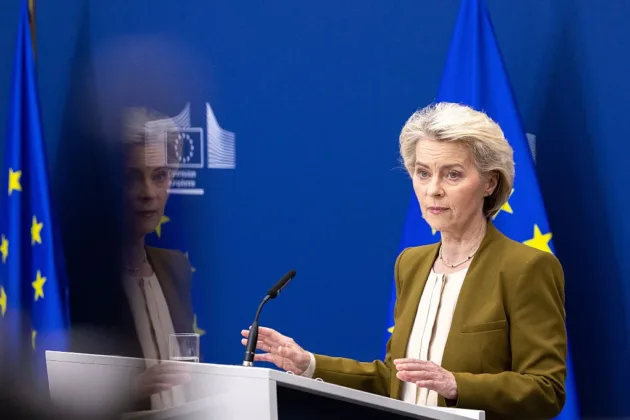
The proposal forms part of the EU’s 21st sanctions package, unveiled by Commission President Ursula von der Leyen and High Representative Kaja Kallas on June 9. If approved unanimously by member states, the measure would effectively bar current and former Russian military personnel from entering the Schengen Area.
“We propose for the first time to ban entry into the European Union for anyone who has served in the Russian armed forces since the beginning of the war,” von der Leyen said when presenting the package in Brussels, framing it as a moral and security necessity.
Baltic and Nordic countries have been among the strongest advocates of restricting access for Russian veterans, warning that former combatants could be used in intelligence operations, influence campaigns or other forms of hybrid warfare against European states.
The proposal stops short of imposing a blanket visa ban on all Russian citizens, however — a step that has periodically been demanded by some Eastern European governments. According to EU officials, targeting military personnel is viewed as a legally and politically more feasible first step, while broader restrictions remain under discussion.
The entry ban is only one element of a broader sanctions package designed to increase pressure on the Kremlin. Brussels is also seeking to target dozens of Russian banks, cryptocurrency platforms and oil traders accused of helping Moscow evade existing restrictions. Additional measures would expand sanctions on Russia’s “shadow fleet” of oil tankers and introduce new trade restrictions on selected Russian exports and imports.
The proposal reflects a wider shift in European thinking about the long-term consequences of the war. While previous sanctions largely focused on financial institutions, oligarchs and strategic industries, the new measure directly targets individuals associated with Russia’s military campaign.
For now, the proposal remains under negotiation among the EU’s 27 member states. Approval would require unanimity, a hurdle that has complicated several previous rounds of sanctions. Nevertheless, the initiative signals that Brussels is prepared to broaden its response to Russia’s war in Ukraine beyond traditional economic measures and into the realm of mobility and border access.