

The European Union has agreed its 21st package of sanctions against Russia after Greece secured an exemption allowing its vessels to continue carrying Russian liquefied natural gas to customers outside the bloc. Ambassadors reached the deal in Brussels on July 23.
The derogation covers transfers of Russian LNG to non-EU buyers under contracts concluded before the invasion of Ukraine began in February 2022. It will be reviewed each year, leaving Athens able to use its veto to press for renewal.
Greece, which hosts the world’s largest merchant fleet, had held up the package by demanding a revision of an LNG ban that member states adopted unanimously last year. That measure is due to take full effect on January 1, 2027.
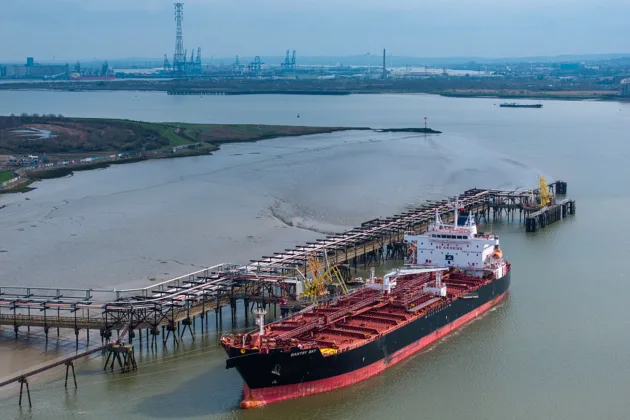
The request was backed by Dynagas, the transport company owned by Greek billionaire George Prokopiou. Dynagas and a subsidiary have chartered 11 vessels to the Yamal LNG plant in the Russian Arctic, among them seven ice-class carriers.
The Greek Government argued that a transport ban would damage European maritime services, cost jobs and hand business to foreign competitors without weakening Moscow’s finances. Other member states had been reluctant to reopen a text already written into EU law.
Ambassadors also froze the price cap on Russian crude at $44 a barrel for 12 months. Under a formula tied to market prices, the cap had been due to rise to $58 as fighting between the United States and Iran pushed oil higher.
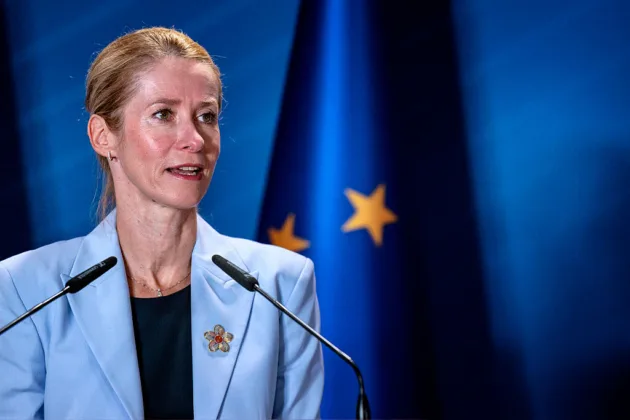
European Commission President Ursula von der Leyen said the freeze was intended to ensure that “the Russian war machine does not benefit from market shocks”.
The package blacklists 30 further shadow fleet vessels used to circumvent the cap, taking to more than 600 the number denied access to EU ports and services. It also targets Russian banks, cryptocurrency and oil-trading platforms as well as more than 250 people and companies accused of supporting the invasion or helping to evade sanctions.
Athens was not the only capital to win changes. A proposed restriction on imports of Russian cod and pollack was dropped after Portugal and Germany objected, while Bulgaria removed two names from the listing, Patriarch Kirill of the Russian Orthodox Church and Lukoil founder Vagit Alekperov.
A plan to bar Russian soldiers from the Schengen area was reduced to a commitment to work towards implementation after France and Italy raised concerns about consular workload and legal liability. Austria was told its request to unfreeze the assets of Rasperia, a blacklisted investment company, would be considered later, offsetting a €2.1 billion loss at Raiffeisen Bank International in Russia.
Diplomats had expected agreement to come more easily after Viktor Orbán left office in Hungary.