


The European Commission has proposed freezing the price cap on Russian oil to stop a scheduled review from handing the Kremlin a windfall, as crude prices surge following the closure of the Strait of Hormuz.
The measure is the centrepiece of a 21st package of sanctions against Russia, unveiled on June 9 by Commission President Ursula von der Leyen. It also targets the so-called shadow fleet, banks, cryptocurrency firms, metals and, for the first time, Russian fish products.
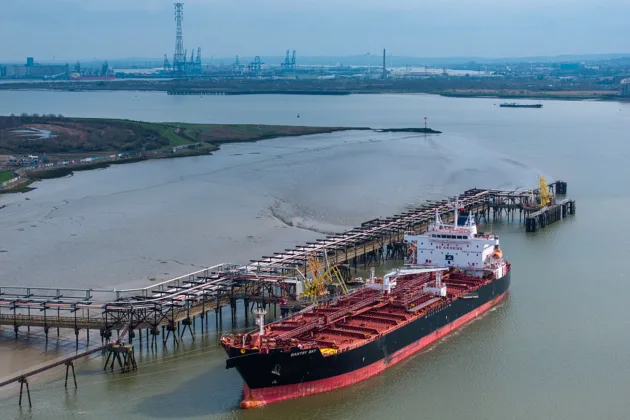
The European Union, alongside the G7 and Australia, has capped the price of Russian oil since December 2022. Last year the mechanism was made dynamic, set at 15 per cent below the average market rate.
The blockade of the Strait of Hormuz has driven Russia’s Urals crude to $87 (€80) per barrel, up from $58 (€53) in February. A review due on July 15 would therefore lift the cap and ease the pressure on Moscow’s revenues.
To prevent that, the Commission proposed holding the cap at its current level of $44.10 (€41) and postponing the revision until January 2027.
The adjustment mechanism “was not made for market shocks like the one caused by the closure of the Strait of Hormuz”, von der Leyen said. A pause until January would give oil markets time to stabilise while keeping the squeeze on Russian revenues, she added.
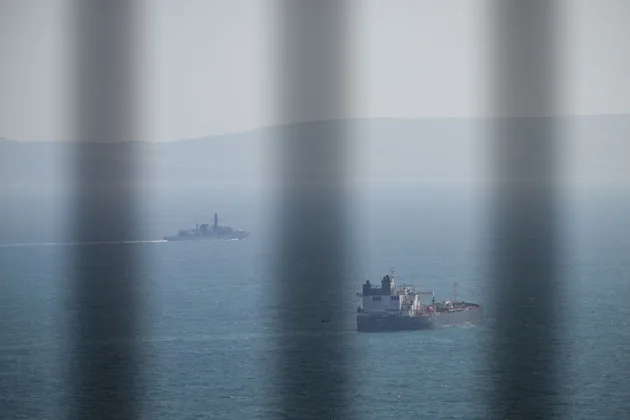
The package would blacklist 30 vessels from the shadow fleet that Moscow uses to bypass the cap, on top of more than 600 ships already barred from EU ports and services. Ports, refineries and other infrastructure that assist the fleet would also be listed.
It would hit 31 Russian banks and 20 cryptocurrency firms, platforms and oil traders accused of helping the Kremlin dodge restrictions. The Commission also proposed banning exports of metals and components used in defence, alongside a first-ever ban on imports of some Russian fish.
In a measure first floated by Estonia, the plan would bar Russian soldiers who fought in Ukraine from entering the Schengen area for life.
An earlier, more sweeping plan to ban all maritime services for Russian oil stalled after opposition from Greece and Malta, whose firms service Russian tankers. By returning the focus to the cap, the Commission has tacitly conceded that ban would not happen soon.
Approval requires unanimity among the bloc’s 27 member states, and would mark the 21st package since Russia’s full-scale invasion in February 2022. Officials in Brussels hope to secure agreement before July 15 to head off the automatic review.
The proposal landed as Russia stepped up deadly airstrikes on Ukrainian cities. A G7 summit in France would give von der Leyen a fresh chance to press allies on tightening the screws.