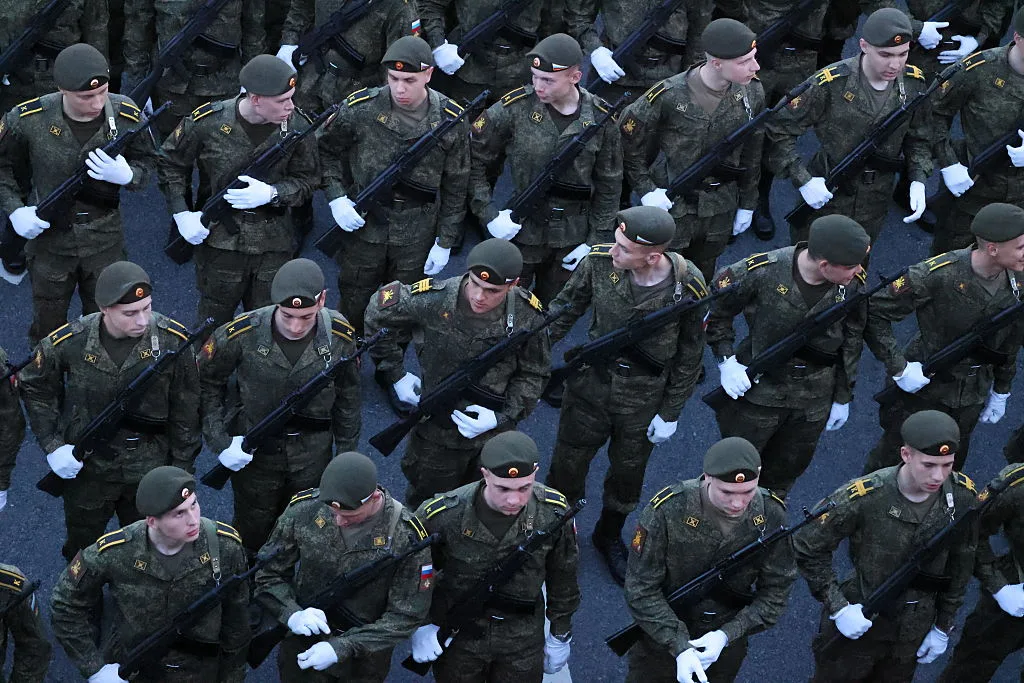




France and Italy have pushed back against a European Union proposal to ban former Russian combatants from entering the bloc, warning the measure could become a sweeping prohibition on Russian nationals.
The restriction forms part of the proposed 21st sanctions package against Russia over its full-scale invasion of Ukraine, which member states were due to discuss on June 26, according to Bloomberg.
Rome and Paris are not opposed to barring former Russian soldiers but fear the current wording could pave the way to a full entry ban on all Russians, sources told the agency. Both capitals believe a targeted travel ban would be better handled through visa policy rather than sanctions.
The two governments have also raised practical concerns, noting the plan would leave member states to determine who had taken part in the fighting and who had not, a task some sources described as difficult to verify.
European Commission President Ursula von der Leyen presented the package on June 9, describing it as targeting the sectors with the highest impact.
“We focus on the sectors with the highest impact: energy, financial services and crypto, trade,” she said, adding that the Commission also wanted to bar former Russian combatants from the bloc.
The combatants ban is one of several elements that have run into resistance. Disagreements have emerged over how to manage the price cap on Russian oil, with the conflict in the Middle East and the closure of the Strait of Hormuz pushing crude prices higher.
The Commission has proposed pausing the cap’s built-in adjustment mechanism until January 2027 to give markets time to stabilise while preserving pressure on Moscow’s revenues.
Other contested measures would extend shadow fleet sanctions to vessels carrying liquefied natural gas and restrict imports of certain Russian fish products, the first time fisheries have featured in a sanctions package.
The package also includes export controls on roughly two dozen firms in China, India, Turkey and Central Asia accused of supplying goods used in Russian weapons production, alongside transaction bans on 31 more Russian banks.
The EU is aiming to approve the package by July 15, the deadline for reviewing the oil price cap. It must be adopted unanimously by the Council of the European Union, where Bulgaria has also withheld support over a separate listing.