


International Criminal Court (ICC) President Tomoko Akane has warned against “the demise of international rule of law” after the United States imposed sanctions on her.
The Japanese judge said she had anticipated the measure and was unsurprised by it, in a statement issued on August 21 through her Japanese publisher, Bungei Shunju, on X and translated by AFP. It was her first public comment since the designation.
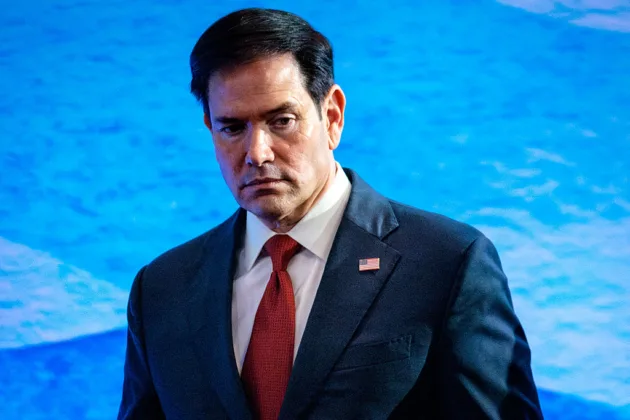
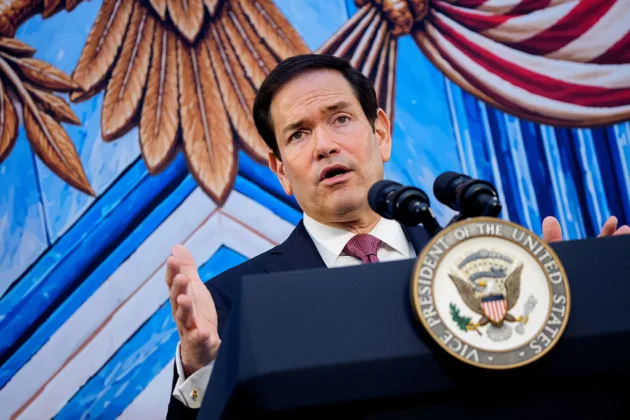
US Secretary of State Marco Rubio announced the sanctions on August 18, targeting Akane and Abdoulaye Seye of Senegal, a senior trial lawyer in the court’s prosecution office. He called the ICC a “corrupt and fatally politicised supranational court” that had abused its authority.
The measures bar both from entering the US and freeze any assets they hold in American jurisdictions or passing through the US financial system.
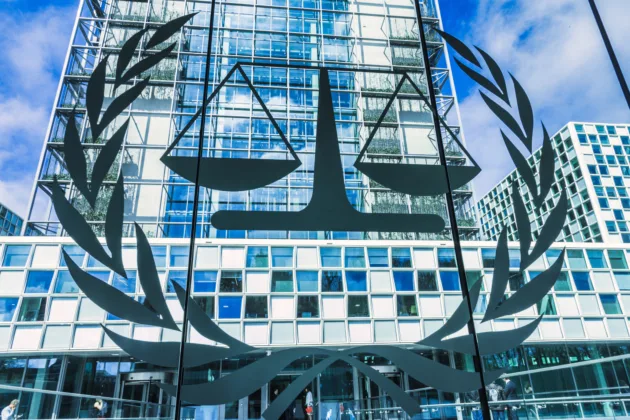
The court rejected the designations on August 19, describing them as a “flagrant attack against the independence of an impartial judicial institution”. It said Washington had now sanctioned nine of its 18 judges, both deputy prosecutors and its former chief prosecutor.
European Commission President Ursula von der Leyen and European Council President António Costa responded the same day. In matching posts on X they said they stood firmly with Akane and the officials upholding the court’s mission.
EU foreign policy chief Kaja Kallas said the bloc deeply regretted the American decision and restated its “unwavering support” for the institution.
Brussels has stopped short of legal countermeasures. Akane travelled to the European Parliament in March 2025 to urge the EU to bring the ICC within the scope of its blocking statute, the 1996 regulation that prohibits European operators from complying with foreign extraterritorial sanctions.
Spain, Belgium, France and Slovenia have supported that step and the European Parliament has called for it in a resolution, though the Commission declined in May to say whether it would act.
Four sanctioned judges sued the Trump administration in June, arguing the measures had cut them off from basic financial services.
The US signed the Rome Statute establishing the court in 2002 but never ratified it, and Israel, Russia and China are not members either.
Akane, 70, has served as an ICC judge since 2018 and was elected president in March 2024. Moscow issued arrest warrants for her and other officials after the ICC sought the arrest of Russian President Vladimir Putin in 2023 over the war in Ukraine.
Japan is the court’s largest financial contributor and a close US ally. Its foreign ministry called the sanctions very unfortunate and said Tokyo had consistently supported the court.