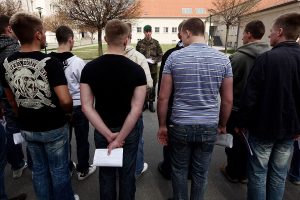




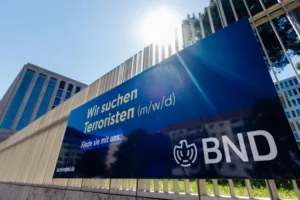

The Bundeswehr has received only 530 voluntary commitments for military service in 2026 after sending questionnaires to almost 300,000 young Germans under the new Wehrdienst assessment system.
According to figures released by the Defence Ministry on June 256, 298,200 questionnaires were dispatched by mid-June.
Around 153,200 went to men (who are legally required to respond) and 145,000 to women.
While the response rate from men was high at 96 per cent, the actual conversion rate into voluntary service has been extremely low.
So far, only around 1,500 individuals have undergone medical and selection procedures, with just 530 formally committed for service in 2026.
More than one in five young men indicated at least some interest in military service on the questionnaire.
However, the vast majority have not proceeded to formal enlistment.
The new Wehrdienst questionnaire system, introduced at the beginning of 2026, was intended to identify motivated recruits without reintroducing full conscription, but early results suggest the tool is struggling to deliver meaningful numbers.
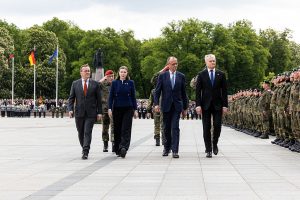
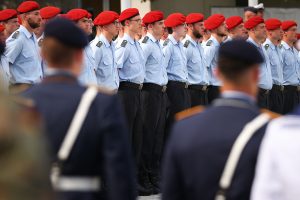
The figures come as Germany pushes to expand the Bundeswehr from its current strength of around 186,000 active personnel toward a long-term target of 260,000 soldiers plus 200,000 reservists by the mid-2030s, allowing Germany to deploy up to 460,000 soldiers in the event of war.
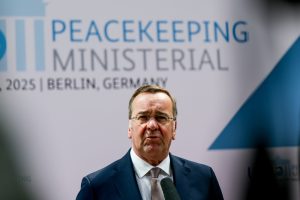
Defence Minister Boris Pistorius has made expanding the Bundeswehr one of his flagship priorities.
This expansion is considered essential for Germany to meet its NATO commitments and respond to the changed security environment in Europe.
Pistorius has repeatedly warned that recruitment remains the biggest obstacle to German defence commitments and ambitions.
Experts and opposition politicians point to several persistent issues for the setback: Military pay and conditions that lag behind the civilian labour market, unattractive working hours and postings, a negative image of the armed forces among many young people, and strong competition from a tight German job market where school-leavers and graduates have numerous better-paid alternatives.
Lengthy bureaucratic processes and long decision times also appear to deter potential recruits.
The questionnaire campaign was meant to be a major innovation to broaden the recruitment pool.
Its poor yield will now intensify debate in Berlin about whether a purely voluntary system can ever deliver the required manpower, or whether Germany will eventually need to consider some form of mandatory or selective national service.
The poor results from the questionnaire campaign stands in contrast to regular recruitment channels, which have seen some improvement in 2025–2026.
This year, around 38,500 applications have been received so far, the Ministry of Defense announced on Wednesday. This is an increase of around 24 per cent compared to the same period last year. The numbers of new soldiers has risen by 13 per cent, to around 13,000.
However, even those gains fall short of what is needed to reach the government’s ambitious growth targets in light of perceived threats from Russia and shifting NATO requirements.
Critics argue that years of underfunding, political neglect, and public pacifism following the end of the Cold War have left the Bundeswehr with a damaged reputation that cannot be fixed quickly.
Germany has spent more than €2 billion on a new digital radio system for its army, the Bundeswehr – while also failing to get the system to work.https://t.co/FF7s2rrmwf
— Brussels Signal (@brusselssignal) April 7, 2026